Montréal 2026: the new restaurants worth a detour
The Montréal restaurant scene in early 2026
Montréal’s restaurant industry enters 2026 in a complex state. The post-pandemic dining boom has definitively ended, replaced by a more selective environment where diners are spending thoughtfully and operators are increasingly focused on sustainability — not just of food sourcing but of business models. Several high-profile restaurants that opened in the 2022-2023 boom closed in 2025 as the cost pressures of running an ambitious kitchen in an inflated labour and food cost environment caught up with them.
But the culinary talent in Montréal is considerable and the city’s food culture — rooted in Québécois tradition, shaped by an extraordinary immigrant community, and constantly renewed by young chefs who trained in Europe and elsewhere — continues to produce genuinely interesting new addresses.
What follows are six openings (or recently solidified addresses) as of early 2026 that are worth planning a visit around. For the full, evergreen picture of eating in Montréal, pair this list with the where to eat in Montréal guide.
| Address | Neighbourhood | Price range | Reservations |
|---|---|---|---|
| Brûlerie des Berges | Rosemont | 38 CAD dish / 95 CAD tasting menu | 2–3 weeks ahead, weekends |
| Canteen Nordique | Griffintown | Under 20 CAD/dish | No reservations |
| Casa Flor | Mile End | Mid-range | By phone or Instagram DM |
| Ferme en Ville | Plateau Mont-Royal | 18–30 CAD lunch / 115 CAD dinner | Evenings only, Thu–Sat |
| Boulangerie Pelé | Villeray | Bakery prices | No reservations, arrive early |
| Ōkami Ramen | Saint-Henri | 18–22 CAD/bowl | No reservations, ~30 min wait |
Brûlerie des Berges — Rosemont-La Petite-Patrie
The most talked-about new address in early 2026 is Brûlerie des Berges, which opened in Rosemont in October 2025. The chef, who trained with a former Marco Pierre White kitchen before spending four years at a notable restaurant in Lyon, has built a menu around the concept of wood-fire cooking applied to Québec ingredients — not in the trendy “wood-fired everything” way that became a cliché in the 2010s, but a genuinely structured cooking approach in which the fire is a technique rather than a marketing hook.
The signature dish, as of early 2026, is a smoked Arctic char from Inuit producers in Nunavik, served with a cultured cream from a small dairy farm in Lanaudière and a relish of pickled spruce tips. It costs 38 CAD and it is worth it. The tasting menu (six courses, 95 CAD) is the best value route through the kitchen.
Reservations on Resy; book two to three weeks ahead for weekend evenings.
Canteen Nordique — Griffintown
A fast-casual concept from a chef who previously ran a fine dining kitchen in the Mile End: Canteen Nordique opened in January 2026 in the now-established Griffintown neighbourhood (Montréal’s most heavily developed new district since 2015) as a deliberate turn toward accessibility.
The format is counter service, wood benches, no reservations. The menu runs to about 12 dishes, rotating weekly, all under 20 CAD: a venison tartare with pickled cranberry, a smoked whitefish sandwich on Fairmount-style bagel, a kale and wild rice bowl with a maple-tahini dressing that sounds bizarre and works. The quality of the sourcing — local farms, Indigenous-operated fisheries, a fermentation programme that runs through several dishes — punches well above the price point.
Busy at lunch and at 19:00-20:00 on weeknights. The window from 17:30 to 18:30 is the quietest entry point.
Casa Flor — Mile End
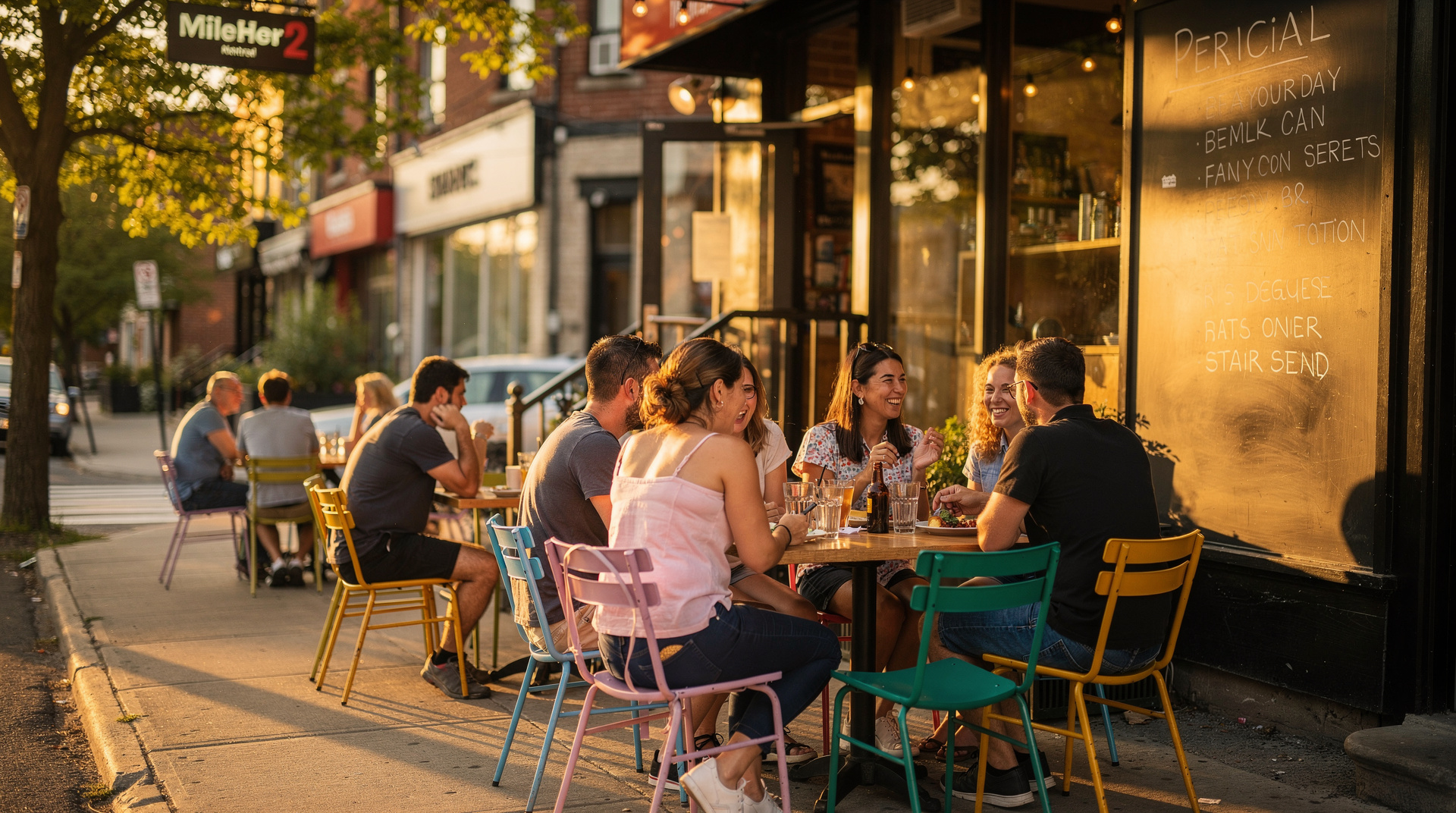
A small Colombian-Québécois restaurant in Mile End that opened in late 2025 and established itself quickly as a neighbourhood favourite. The husband and wife team (one Québécois, one originally from Bogotá) run the kitchen and the front of house, and the collaboration produces a genuinely coherent menu that does not read as fusion but rather as the natural cooking of two culinary cultures living in the same household.
A few dishes that stood out in the February 2026 visit: a ceviche of trout from the Laurentians with a tiger’s milk made with lime and Québec verjuice; a stuffed empanada filled with braised short rib and local cheese; and a dessert of caramel flan with maple syrup and cacao nibs that sounds simple and is technically excellent.
Small room, 28 seats. Reservations by phone or Instagram DM — they have not moved to a reservation platform yet.
Ferme en Ville — Plateau Mont-Royal
Not entirely new (the first iteration of this address opened in 2024), but Ferme en Ville underwent a significant format change in February 2026 that makes it worth including. The restaurant, which sources primarily from the chef’s own urban growing operation and a network of small farms within 150 kilometres of Montréal, has shifted from a prix-fixe only format to a la carte at lunch and prix-fixe only on Thursday through Saturday evenings.
The lunch menu is the discovery: a changing slate of four to six dishes built around whatever is most available and in best condition that week, with prices between 18 and 30 CAD per plate. The kitchen is visible from the dining room and the food is executed with precision. The evening menu (eight courses, 115 CAD, wine pairing available) is celebrated in Montréal food circles, but the lunch is the accessible entry point.
Boulangerie Pelé — Villeray
This is a bakery, not a restaurant, but it merits inclusion because it represents the most significant new baking address in Montréal as of early 2026.
Boulangerie Pelé opened in Villeray in December 2025, run by a baker who spent three years at a reference bakery in Copenhagen before returning to Québec. The bread programme is serious — long-fermented sourdoughs, rye porridge loaves, a buckwheat miche — and the pastry counter includes excellent croissants and a rotating selection of morning buns and grain-based cakes.
Open Tuesday through Sunday from 07:30. Sells out by 11:00 on weekends. Arrive early.
Ōkami Ramen — Saint-Henri
A Japanese-Canadian ramen shop that opened in Saint-Henri in September 2025 and has become one of the most discussed new addresses in the city. The chef (who trained in Japan and then spent time in Vancouver before relocating to Montréal) serves three ramen styles: a tonkotsu-based white broth with local pork belly and Québec mushrooms, a shoyu style with smoked duck and duck fat tare, and a seasonal vegetarian preparation that changes monthly.
Prices are 18 to 22 CAD for a bowl. No reservations. The queuing culture at peak dinner hours (19:00-21:00) is real, but the turnover is fast enough that a 30-minute wait is typical rather than excessive.
Best of Montréal food walking tour
What is actually happening in the Montréal food scene
The openings above represent a specific tendency in 2025-2026 Montréal: smaller, more operator-sustainable formats; stronger local sourcing as both a culinary value and a business hedge against supply chain uncertainty; and a growing confidence in Québécois ingredient identity that does not need to reference French or American cuisine to justify itself.
The fine dining sector, by contrast, has been consolidating. Several of the tables that defined Montréal’s international fine dining reputation in the 2010s have closed or significantly changed format. The energy has moved toward mid-range and fast-casual. This is, in my view, a positive development for visitors who want to eat well without spending 200 CAD per person — the mid-range tier in Montréal in 2026 is genuinely excellent.
Beyond the new openings
None of the six addresses above replace the classics — if it’s your first trip, the Montréal smoked meat guide and our bagel blind taste test cover the institutions that aren’t going anywhere. For a drink afterward, the Montréal craft beer and breweries guide and the Montréal nightlife guide round out an evening once dinner is done.
Frequently asked questions about Montréal 2026: the new restaurants worth a detour
Which of these is best for a first-time visitor with one dinner to spare? Brûlerie des Berges if you want a proper sit-down meal that showcases Québec ingredients, or Ōkami Ramen if you want something faster and more casual with a shorter commitment — both are among the most talked-about openings as of early 2026.
Do any of these take walk-ins? Canteen Nordique, Boulangerie Pelé, and Ōkami Ramen don’t take reservations at all — expect to queue, especially at peak times noted above. The other three require advance booking, particularly on weekends.
For the full guide to eating in Montréal — neighbourhood by neighbourhood, price range breakdown, and which addresses have lasted and which were overrated — see the where to eat in Montréal guide.