Sugar shacks in spring 2024: the ones worth the drive
The sugar season that defines spring in Québec
There is a moment in late February or early March when Québec changes. The temperatures start to fluctuate above zero during the day and drop below zero at night. The sap in the sugar maples starts to move. The cabanes à sucre — sugar shacks — open their doors, and for about six weeks, eating enormous quantities of maple-syrup-drenched food in a warm wooden building surrounded by snow is one of the province’s central cultural practices.
I spent two spring weekends in 2024 visiting sugar shacks in the greater Montréal area: one at the Sucrerie de la Montagne in Rigaud, one at the Cabane Au Pied de Cochon in Mirabel. They are very different operations with different strengths and significant differences in price, atmosphere, and what they are actually trying to do. Here is the comparison.
| Season | Early March to mid-April, weather-dependent |
| Cost | Around 55–115 CAD per adult depending on the shack |
| Booking | 3–4 weeks ahead at minimum; some sell out in hours |
| Getting there | Car needed for most; organised day trips run from Montréal |
| What’s included | Multi-course communal meal, taffy-on-snow, usually live music |
What a sugar shack actually is
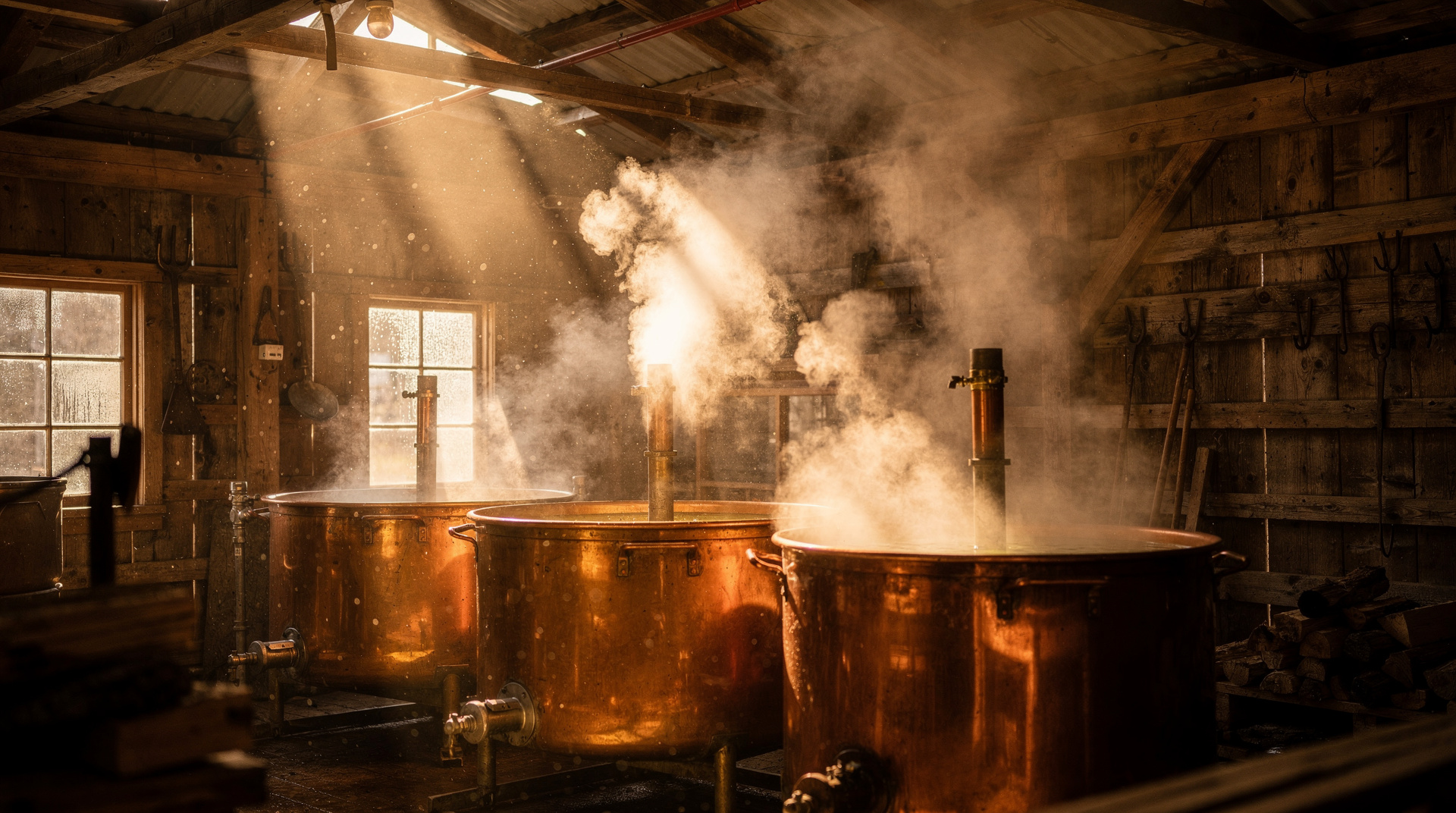
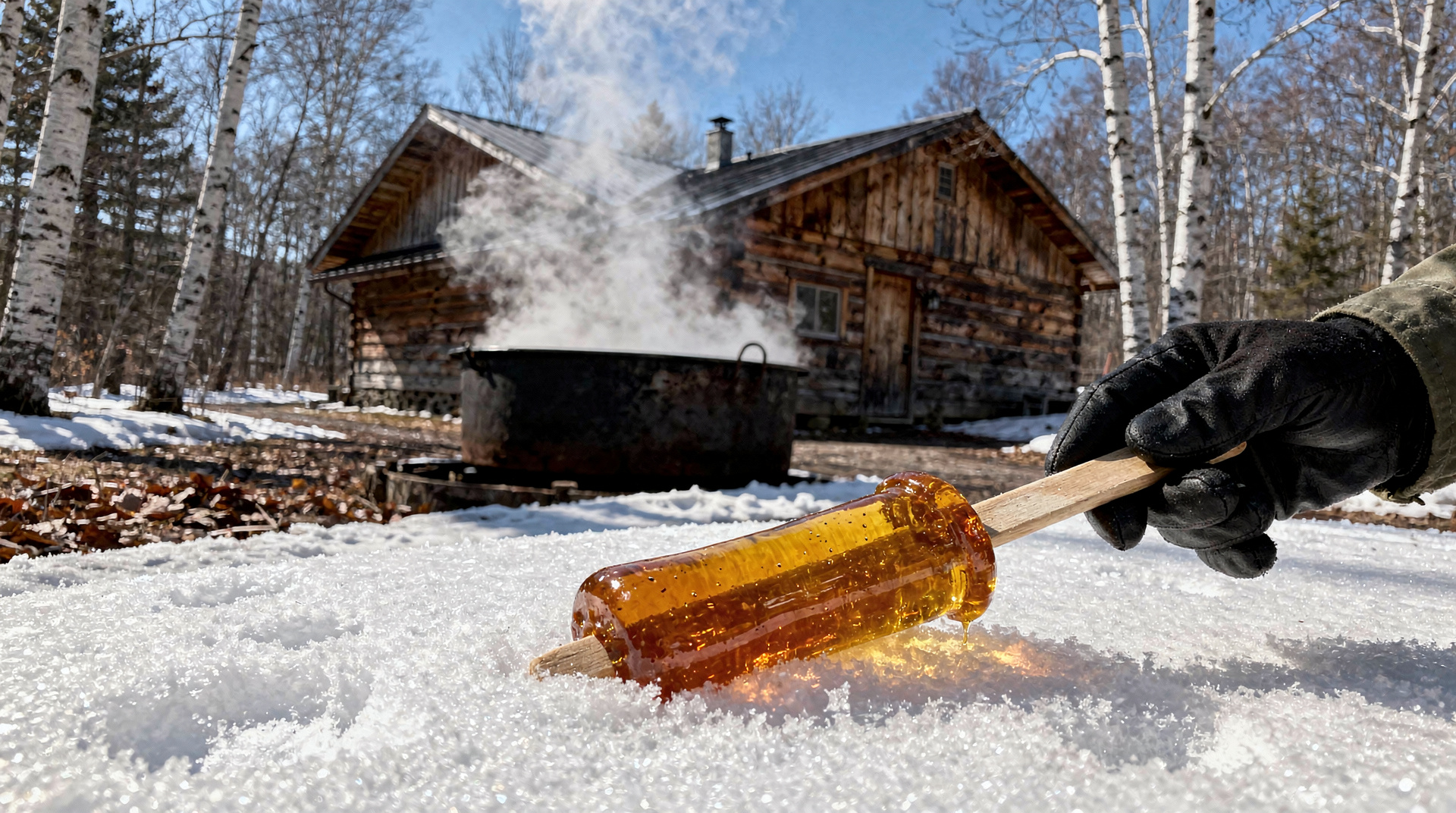
For visitors unfamiliar with the tradition: a cabane à sucre is a farm that taps maple trees for sap, boils it down into syrup, and hosts visitors during the sugaring-off season (roughly early March to mid-April, depending on the weather). The experience typically combines a tour of the sugar-making operation with a large communal meal of traditional Québécois food: pea soup, baked beans, ham, tourtière, crêpes, and the centrepiece — maple taffy poured hot over fresh snow, which you roll onto a wooden stick and eat immediately.
This is not a gimmick for tourists. It is a genuine seasonal tradition that most Québécois families participate in at least occasionally. The best sugar shacks are booked weeks in advance.
Sucrerie de la Montagne (Rigaud): the authentic original
The Sucrerie de la Montagne in Rigaud, about 65 kilometres west of Montréal off Autoroute 40, is one of the most celebrated traditional cabanes à sucre in the province. It has been operating since 1978, it is built from hand-hewn logs, it runs on wood fires and oil lamps, and it feels less like a commercial operation and more like stepping into a very well-preserved version of 19th-century rural Québec.
I went on a Saturday in mid-March. The setup is a long communal table meal, served in waves, with the kitchen sending out dish after dish: pea soup, crispy pork rinds (cretons), baked ham glazed with maple syrup, baked beans that have been in the pot since before you arrived, warm bread, pancakes, and at the end, the sugar-on-snow ceremony outside.
The quality of the food is genuinely excellent. The ham is the best version of this dish I have encountered — properly smoked, not over-sweetened, with enough savour to balance the maple. The beans are the real thing, not a shortcut version. The performance of the meal — the way it arrives in waves, the live accordion music, the fire burning throughout — is executed with real commitment.
The cost for 2024: approximately 55 to 65 CAD per adult for the full meal experience. Alcohol is extra (local ciders and beers, appropriately maple-inflected cocktails). Reservations are essential and should be made at least three to four weeks in advance, often longer for weekend dates.
The drawbacks: it is not close to Montréal. The communal seating means you are sitting with strangers, which some people enjoy and some do not. And the experience is explicitly theatrical — the live music, the costumed staff — in a way that some visitors find charming and others find slightly exhausting after two hours.
Cabane Au Pied de Cochon (Mirabel): the celebrity version
The Cabane Au Pied de Cochon in Mirabel is a completely different proposition. Chef Martin Picard — the driving force behind Au Pied de Cochon, the Montréal restaurant that turned pork fat and foie gras into a cultural statement — opens his sugar shack for roughly six weeks each spring. It is, by any measure, the most ambitious and expensive cabane à sucre experience in Québec.
The menu here is not traditional in any conservative sense. Picard takes the sugar shack format and applies it to his maximalist, ingredient-obsessed cooking style. A meal at the Cabane might include foie gras poêlé with maple reduction, a blood pudding-stuffed crêpe, canned wild boar from the estate, and a dessert trolley that arrives loaded with a dozen different maple-based preparations. Everything is cooked in large quantities, served with an almost aggressive generosity, and contains more animal fat than is probably wise.
The 2024 price: 95 to 115 CAD per adult for the main meal, and more with wine. Reservations open in January and often sell out within hours of going live. If you want to go, sign up for the newsletter in November and be ready to book when the dates drop.
I went on a Friday evening with four people who are all serious eaters. The meal lasted almost three hours. The food was extraordinary — genuinely creative, technically accomplished, and deeply connected to the Québécois agricultural tradition that Picard draws on, even when he is subverting it. The wild boar rilettes with maple syrup and cornichons was one of the best things I ate all year.
The context: this is not a traditional experience. It is a chef’s interpretation of a traditional experience, and the gap between the two is real. The atmosphere is not homespun, it is curated. The other diners are mostly food enthusiasts from Montréal who take Picard’s work seriously. If you want the deep-traditional version, go to Sucrerie de la Montagne. If you want the most interesting food in a sugar shack context, go to Cabane Au Pied de Cochon.
Sucrerie de la Montagne vs Cabane Au Pied de Cochon:
| Sucrerie de la Montagne | Cabane Au Pied de Cochon | |
|---|---|---|
| Style | Traditional, communal, 1978-founded | Chef-driven, maximalist, contemporary |
| Price (2024) | ~55–65 CAD/adult | ~95–115 CAD/adult |
| Booking lead time | 3–4 weeks | Opens January, sells out in hours |
| Atmosphere | Live accordion, wood fires, costumed staff | Curated, food-enthusiast crowd |
| Best for | First-timers wanting the classic ritual | Serious eaters wanting Picard’s cooking |
Sugar shack maple syrup day trip with lunch from Montréal
A third option: organised day trips
If you are based in Montréal without a car, several operators run day trips to sugar shacks during the season. These typically include transport from the city, a two-to-three-hour cabane experience with the full traditional meal, and return transport. The advantage is convenience; the disadvantage is that the shacks visited on these tours are usually commercial operations oriented toward tour groups rather than the more intimate experiences I described above.
That said, for a first-time visitor who wants to understand what a cabane à sucre is and eat the food in a proper setting, an organised day trip is a completely reasonable way to do it.
Practical information for 2025 planning
The sugar season is weather-dependent. In 2024, a cold March pushed the peak season back slightly — the sap ran best in the last two weeks of March and first week of April. Warm winters have been shortening the season; some producers report a reliable window of only three to four weeks instead of the traditional six.
For Sucrerie de la Montagne: book via their website, which typically opens reservations for the coming season in January. Saturdays sell out fastest. Friday evenings and Sunday lunches are easier to get.
For Cabane Au Pied de Cochon: watch Martin Picard’s social media and the restaurant’s newsletter for announcement dates. When they open, act immediately.
For the comprehensive guide to sugar shack options across the province — including options near Québec City, the Cantons-de-l’Est, and the Laurentides — see the complete cabane à sucre guide.
If you are based near Québec City instead
Everything above is Montréal-area, but the tradition is province-wide. If your trip is centred on Québec City rather than Montréal, you do not need to drive two hours west — there are shacks closer to the old city, and organised transport is available so you do not need a car:
Sugar shack shuttle and meal experience from Québec City
For the full picture of where maple season happens across the province, and which regions are worth the detour, see where to go for maple season. If your visit falls in March itself, the Québec in March guide covers what else is realistic to combine with a sugar shack day, and farm-to-table Charlevoix is worth a look if you want the same seasonal-food ethos applied to a whole region rather than one meal.
The maple taffy moment
Whatever sugar shack you choose, one moment is universal. A metal trough is filled with fresh snow. A long-handled ladle dips into the simmering maple taffy — maple syrup cooked down to a thick, hot, pliable state — and pours a strip of it across the snow. You are handed a wooden stick. You roll the taffy around the stick before it cools and sets. You eat it immediately, standing outside in the cold, surrounded by other people doing the same thing.
It is the kind of simple, sensory experience that sounds entirely ordinary when described and then turns out to be one of the things you remember from a trip to Québec years later. The maple taffy is extraordinary. The cold air is part of the flavour. The small, shared ceremony of standing outside in late March eating maple on snow is more connecting than it has any right to be.
Do not miss it.