Sugar shack day trip from Montréal review
Sugar Shack Maple Syrup Day Trip with Lunch
Duration: 5 hours
A sugar shack day trip packs the most distinctly Québécois food ritual of the year into a single guided outing from Montréal — transport, meal, and the maple taffy-on-snow moment everyone remembers, all handled for you. Here is what to expect before you commit a day of your trip to it.
| Where | Laurentides or Montérégie, 30–60 min from Montréal |
| Cost | around $95 CAD/adult with lunch, ~$100 CAD full-day |
| Time needed | 5 hours (day trip) or 6–8 hours (full-day) |
| Getting there | Included return transport from central Montréal |
| Best time | mid-March to early April (peak sap flow) |
What a sugar shack visit is actually like
The cabane à sucre — sugar shack — is one of the most distinctly Québécois experiences available to visitors, and it arrives for only about six weeks each year between late February and mid-April. During this window, Québec families, school groups, and tourists converge on maple groves throughout the province for a ritual that combines traditional food, folk music, and the theatrical production of maple syrup.
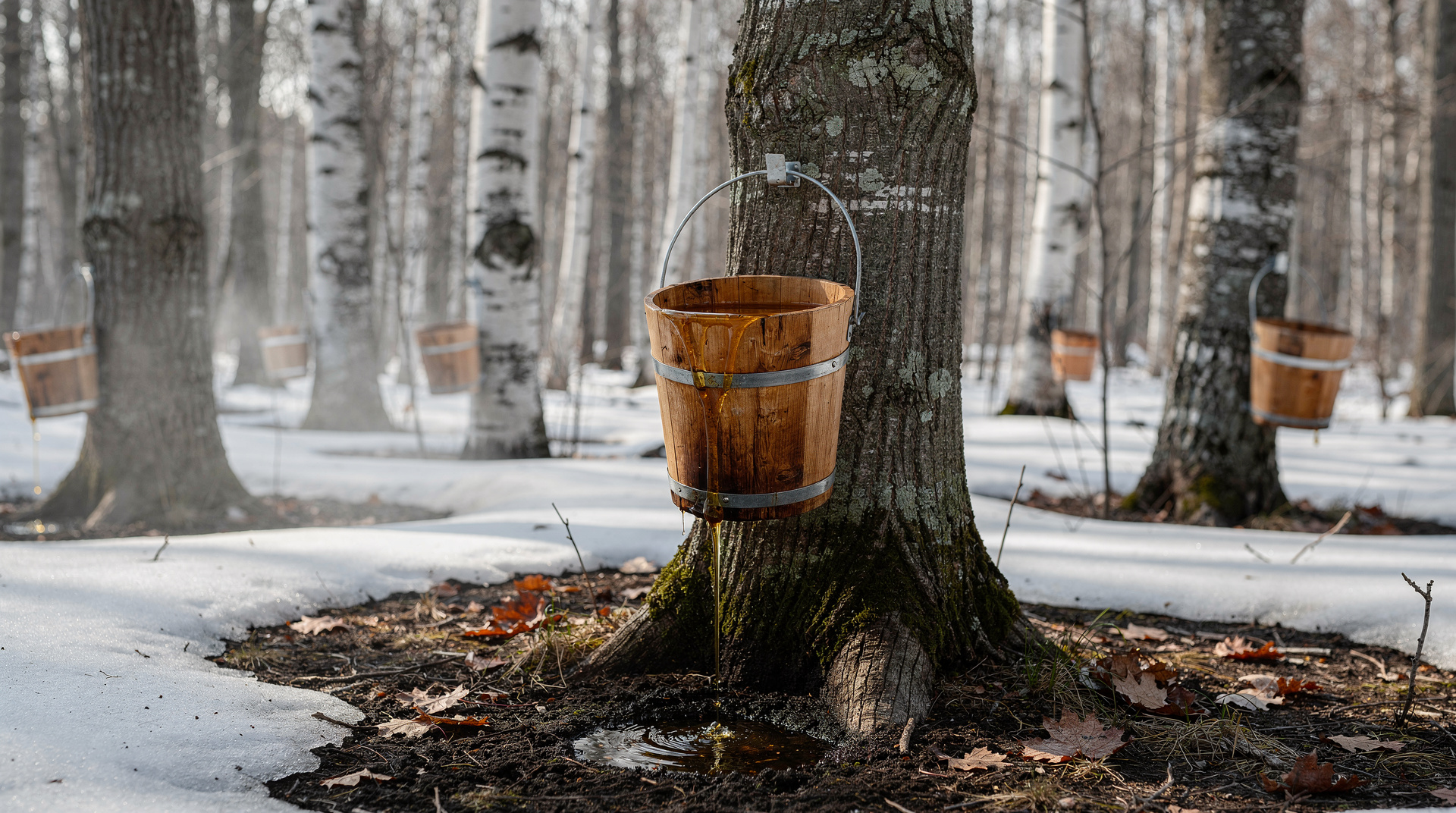
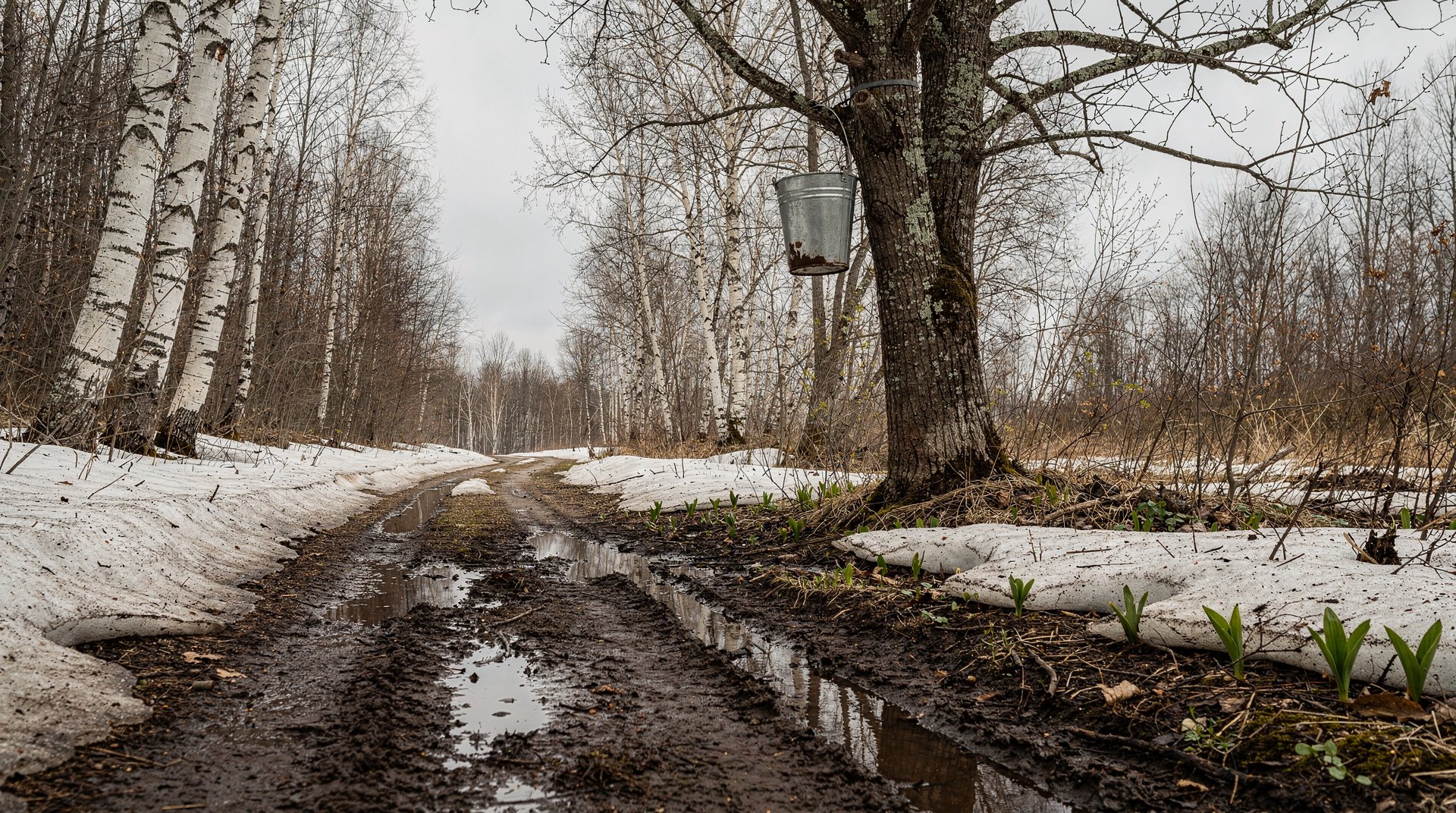
The GYG day trip from Montréal departs in the morning (typically 8:00–9:00) and reaches the sugar shack 45–60 minutes later. The landscape in March is particular to Québec: snow still covers the ground but the days are approaching 0 to 5°C, and the maple trees are beginning to run sap. You can often hear the sap dripping into collection buckets or pipes before you see the sugar shack itself.
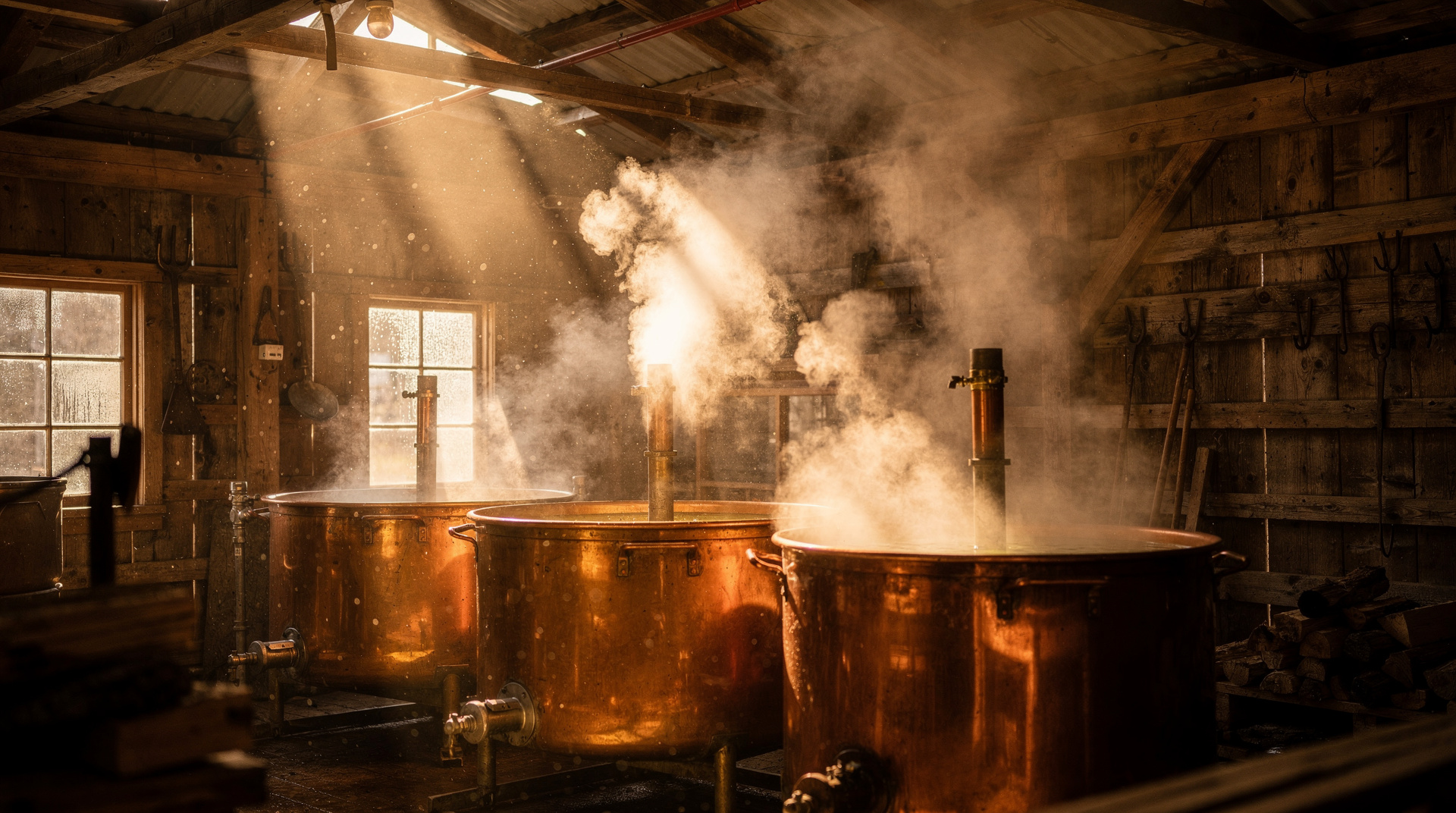
The visit begins with a tour of the érablière (maple grove) and the sugar shack’s boiling equipment. The guide explains the production process: sap is collected from tapped maples (it takes approximately 40 litres of sap to produce 1 litre of maple syrup), then boiled in an evaporator until it reaches the correct concentration. The smell of maple syrup boiling at volume is extraordinary — sweet, woody, and warm, unlike anything from a grocery store bottle.
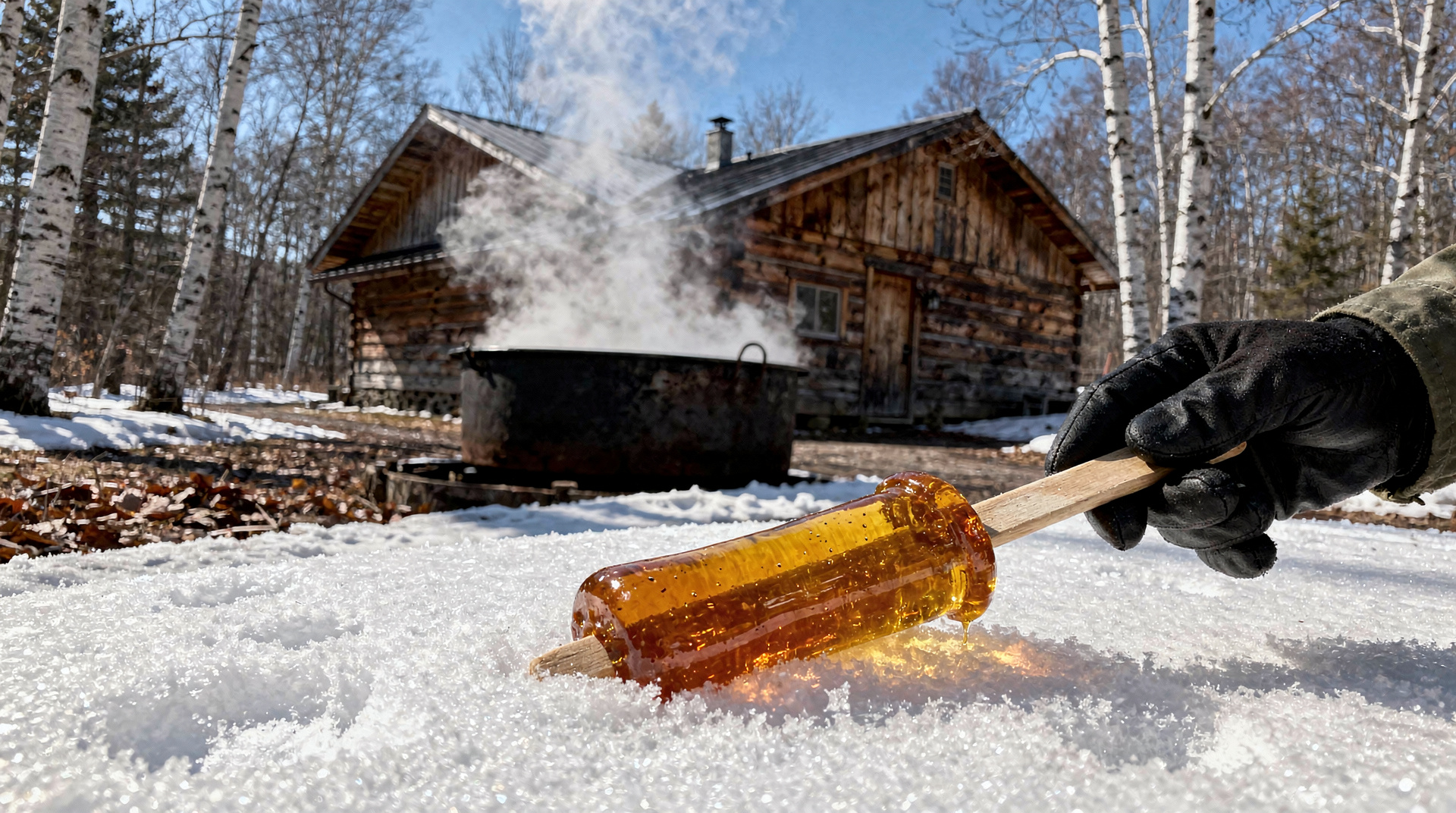
The centrepiece is the tire sur la neige — maple taffy on snow. A ladle of hot syrup is poured in a thin strip over a trough of clean snow, where it immediately begins to firm. You roll the still-warm taffy onto a small wooden stick and eat it on the spot. It is the most talked-about sensory memory that visitors take from the cabane à sucre, and it deserves the reputation.
The meal — included in the day trip price — is a traditional repas des sucres served family-style: pea soup, oreilles de crisse (fried cured pork rinds, addictive), baked ham, baked beans, eggs cooked in maple syrup, crêpes, and dessert. Maple syrup appears at every stage. Most sugar shack meals are served with unlimited access to condiments and drinks; wine, beer, and caribou (a traditional Québec drink of red wine and whisky served warm) are typically available for purchase.
The afternoon is spent exploring the grove, watching the boiling process, and often listening to live traditional music — the gigue (jigging) and accordéon that accompany any properly run sugar shack afternoon.
What it costs
The day trip from Montréal with lunch is priced at approximately $95 CAD per adult, including return transport and the meal. Duration: 5 hours.
Taxes add approximately 15%. Alcoholic drinks, additional activities (hay rides, horse-drawn sleigh rides), and purchases of maple products (syrup, butter, taffy, wine) are separate costs. Budget $20–40 CAD for maple products if you want to bring something home — the sugar shack’s own production is significantly better than supermarket equivalents.
The full-day option ($100 CAD) includes more time at the site and additional activities.
Why we recommend it (honestly)
The sugar shack day trip is one of the best seasonal experiences in Québec for visitors who arrive in March or April. It is genuinely unique to the province (Ontario and Vermont have sugar shacks, but the Québec tradition is the original and most developed), deeply embedded in Québec culture, and delivers on its promises.
Pros: the tire sur la neige alone justifies the visit. The meal is an authentic experience of Québec comfort food at its most celebratory. The spring setting — snow on the ground, mild temperatures, the first warmth of the season — is beautiful. Transport from Montréal removes the car-requirement problem for most visitors.
Cons: the season is strict — if you’re visiting outside late February to mid-April, this tour does not operate. The meal is very hearty and starchy; if you have dietary restrictions (vegetarian, vegan, gluten-free), confirm with the operator — most sugar shacks can accommodate but the core menu is very pork and maple-forward. The group tour setting means fixed timing and a shared dining room, which reduces the intimacy compared to visiting a small private sugar shack independently.
Honest assessment of “tourist sugar shacks”: not all sugar shacks are equal. Some, particularly those marketed heavily toward bus tours, serve mediocre food in oversized dining halls and focus on the experience-as-entertainment rather than the quality of the maple product. The best sugar shacks are smaller, family-run operations. Sucrerie de la Montagne in Rigaud (southwest of Montréal) is one of the most celebrated; it is not on GYG but is worth knowing as a reference for quality.
How it compares to the full-day tour and the shuttle
Compare top tours
The full-day maple tour ($100 CAD, 6–8 hours) extends the visit with more activities — typically including additional demonstrations, horse-drawn sleigh rides, and snow activities. Best for families with children who want a fuller day of engagement.
The Québec City sugar shack shuttle is a transport-only option that takes you to a sugar shack near Québec City — you pay the site entry separately. Best for travellers based in Québec City rather than Montréal, or for independent visitors who want flexibility on timing.
For families with children, the full-day option is clearly the better choice. For a couple or adult group wanting the authentic meal-and-maple experience without the extended program, the standard day trip (with lunch) is the right balance.
Best time to go: month by month
The sugar shack season is short and the sap-flow window shifts slightly every year with the weather, so timing your visit well makes a real difference to how much “action” you see at the boiling house.
| Period | Conditions | What to expect |
|---|---|---|
| Late February | Cold, snow-covered | Season opening, sap flow just starting, fewer crowds |
| Mid-March | Freeze-thaw cycles | Peak sap flow, best boiling activity, busiest weekends |
| Late March–early April | Milder days | Excellent tire sur la neige, snow patchy in some groves |
| Mid-April | Warming fast | Season closing, some sugar shacks already finished |
If your trip dates are flexible, aim for a weekday in mid-March: sap flow is typically at its best and the dining rooms are noticeably calmer than on Saturday and Sunday. For the full month-by-month planning picture beyond the sugar shack itself, see our Québec in April guide and the broader maple season guide.
Practical tips
Book early: the sugar shack season is 6 weeks long. March weekends sell out, particularly the last two weekends of March when sap flow peaks and the weather is typically best. Book at least 2 weeks ahead for weekend slots in peak season.
What to wear: late February–March in Québec means variable conditions — from -10°C on cold mornings to +5°C on mild afternoons. Dress in layers. Waterproof boots are essential because the snow at sugar shack sites is heavy and wet. You will be walking through slush and forest; clean trainers are a poor choice.
Maple product shopping: the sugar shack’s own products are worth buying. Look for amber grade maple syrup for everyday use, golden grade for delicate flavour, and dark grade for intense cooking applications. Maple butter (beurre d’érable) is excellent on bread and is a popular gift. A bottle of Québec maple whisky or crème de cassis from Île d’Orléans makes a distinctive souvenir.
The caribou: this traditional Québec drink — red wine mixed with a spirit (usually whisky or brandy) served warm — is part of the sugar shack ritual. It is strong. One cup is festive; two is ambitious. Pace accordingly if you have a 1-hour drive back to Montréal ahead.
For the complete seasonal context — when the maple season peaks by region, which sugar shacks are open for walkins, and how to plan a maple day trip independently — see our sugar shack guide and our Québec in March guide.
What to do nearby
The sugar shacks covered by the Montréal day trip are typically in the Laurentides or Montérégie regions — landscapes of rolling farmland and maple groves that are attractive in their own right. If you have a car, the maple season road trip through the Montérégie (south of Montréal, toward the US border) is one of the pleasures of early spring in Québec.
Rigaud (1 hour southwest of Montréal) is home to Sucrerie de la Montagne, one of the most celebrated sugar shacks in Québec. Not available on GYG but directly accessible by car — worth the detour for a premium sugar shack experience with exceptional food quality.
After the sugar shack day trip, the Plateau-Mont-Royal neighbourhood in Montréal offers the city’s best evening restaurants for an appropriate maple-themed evening: several Plateau restaurants run special maple season menus in March–April. See our Montréal restaurant guide.
If your itinerary allows a full day for food and drink beyond the sugar shack, our day trips from Montréal guide lists other outings that pair naturally with a spring visit, and the Québec budget and cost guide helps you sanity-check what a maple-season day should cost in total.
Book this tour
Book the sugar shack maple syrup day trip from Montréal with lunch
· from $95Alternative tours
For a longer day with more activities and entertainment, the full-day maple tour:
Book the sugar shack full-day tour with maple taffy
· from $100For travellers based in Québec City wanting a shuttle to a local sugar shack:
Book the Québec City sugar shack shuttle
For the complete maple season planning guide, see our sugar shack guide and our Québec in March guide.
Compare alternative tours
Frequently asked questions about Sugar shack day trip from Montréal review
What is a sugar shack?
A cabane à sucre (sugar shack) is a Québec maple syrup production facility, typically a rustic wooden cabin in a maple grove (érablière). During maple season (late February to mid-April), the sap is boiled into syrup on site. Sugar shacks become festive venues where visitors eat traditional Québec cuisine and watch the syrup-making process.What do you eat at a sugar shack?
The traditional menu includes: pea soup, oreilles de crisse (fried pork rinds), baked ham, baked beans, eggs in maple syrup, crêpes with maple syrup, and the iconic tire sur la neige (maple taffy pulled on fresh snow). Most sugar shacks serve the meal family-style with unlimited maple products.What season does the sugar shack tour operate?
Late February through mid-April, corresponding to the érablière (maple grove) season. Peak season is mid-March to early April when temperatures fluctuate between freezing nights and mild days — optimal conditions for sap flow.How far is the sugar shack from Montréal?
The sugar shacks covered by the GYG day trip are typically 30–60 minutes from central Montréal, in the Laurentides or Montérégie regions.Is the day trip better than visiting a sugar shack independently?
For visitors without a car, yes — transport is the key advantage. With a car, you can visit independently and have more flexibility. The guided tour is also useful for first-time visitors who want curated explanation of the maple tradition.What is the tire sur la neige experience?
Hot maple syrup is poured over clean snow, where it immediately thickens into a taffy-like candy. You roll it onto a wooden stick and eat it immediately. It is the most famous sensory experience of a sugar shack visit and the one most participants remember.