Mont-Tremblant in summer shoulder season: the case for late June
Why you should consider the two weeks before everyone else arrives
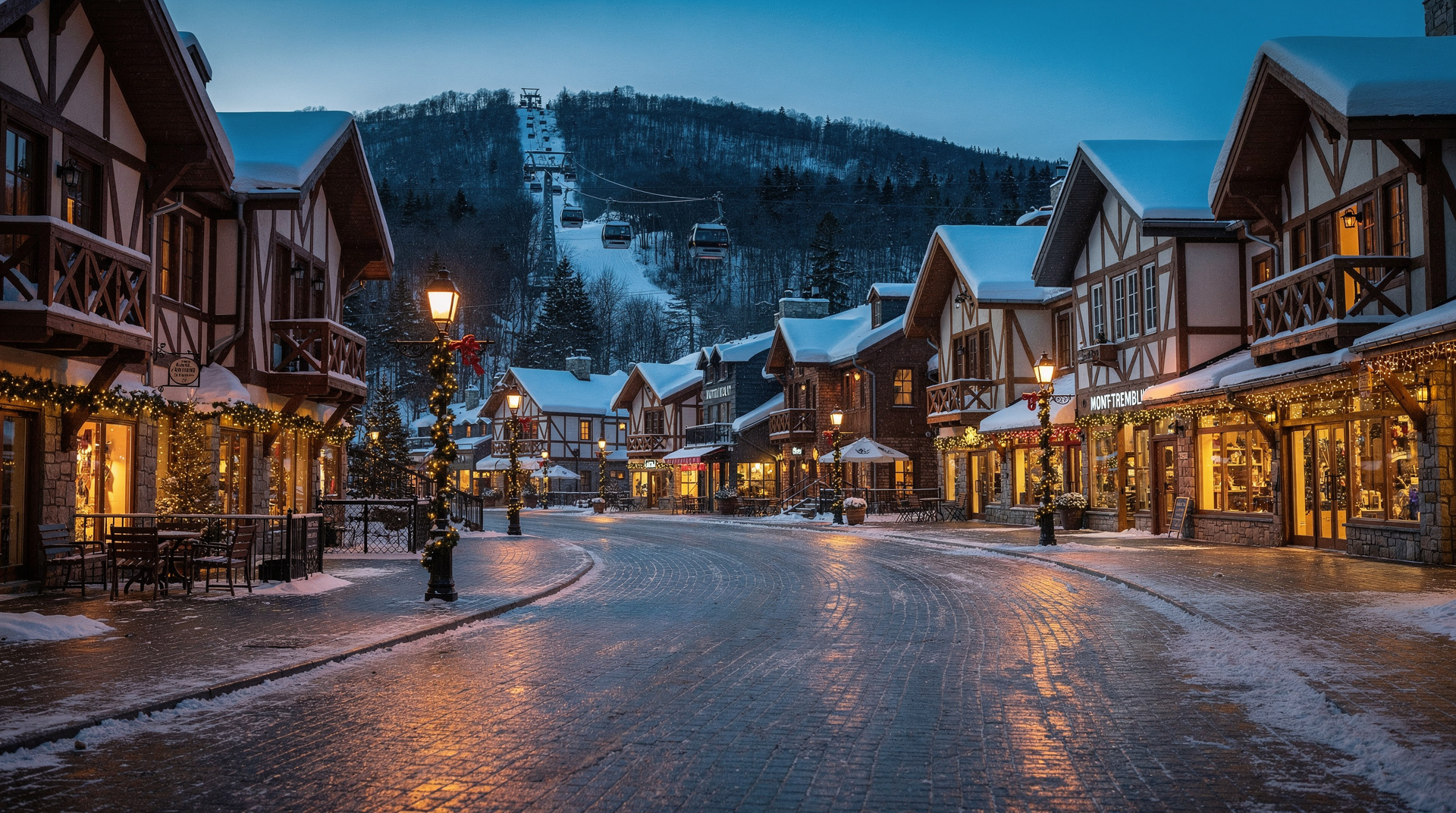
The received wisdom about Mont-Tremblant is that it has two seasons: winter (ski, Christmas lights, dogsledding) and full summer (July and August, families, lake, gondola, festivals). What most travel guides skip over is the interesting window in between — the last two weeks of June, which is technically summer but operates at shoulder-season prices and shoulder-season crowds.
I spent a long weekend at Mont-Tremblant in late June 2024, arriving Thursday afternoon and leaving Sunday evening. Here is what I found, and why I think this timing is genuinely worth considering if you are flexible.
| Where | Mont-Tremblant, ~130 km / 1h30 north of Montréal |
| Window | Last two weeks of June |
| Savings vs. July | Roughly 30% lower accommodation rates |
| Lake temperature | 18–20°C, cold enough to refresh, warm enough to swim |
| Trade-off | Some river activities not yet running; cooler evenings |
Getting there: 130 km that feel like a world away
Mont-Tremblant is 130 kilometres north of Montréal, which in practice means about an hour and a half of driving on Autoroute 15 north toward Saint-Jérôme, then Route 117 through the Laurentides. The drive itself is increasingly beautiful as you move further north — the landscape switches from suburban flatness to hills, then to proper forested mountains, then to the open plateau country around Saint-Jovite and Mont-Tremblant village.
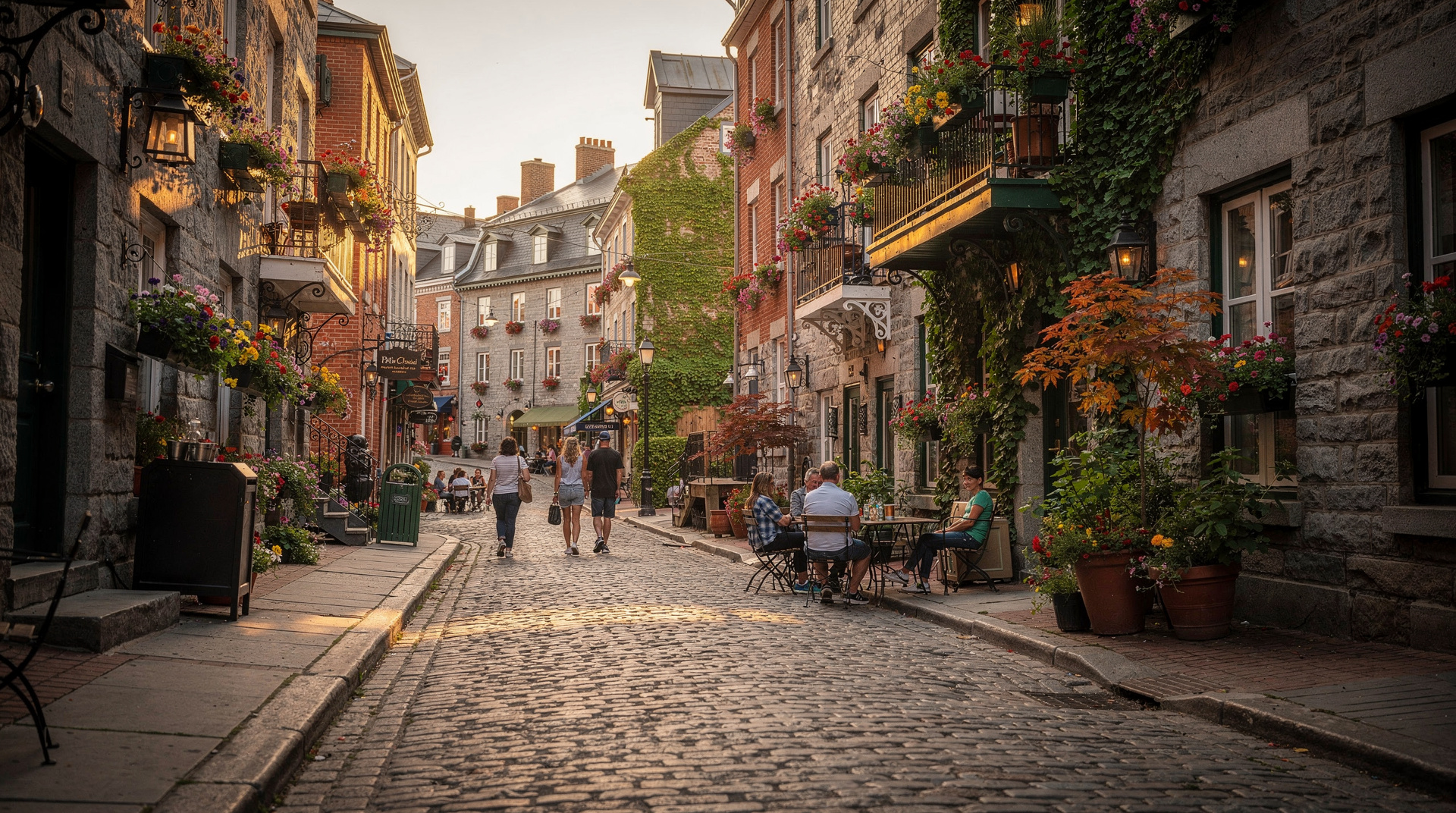
The resort area operates as a kind of village that combines an old Quebec settlement (the actual town of Mont-Tremblant, somewhat removed from the resort) with a purpose-built pedestrian village at the base of the ski hill. The latter is cheerfully artificial but well-executed, with a mix of hotels, condos, restaurants, shops, and activity booking offices clustered around a central square.
In late June 2024, the resort was running at perhaps 50 to 60 percent of its peak capacity. The restaurant terraces had space. The gondola had no line. The bike rental shop had time to give me a proper fitting. It was, in the most literal sense, easier to enjoy.
The gondola in summer
The panoramic gondola at Mont-Tremblant operates in summer roughly from the last week of May through mid-October, taking visitors up to the summit (968 metres) for views over Lac Tremblant and the surrounding Laurentian forest. In winter it is a ski lift. In summer it is one of the best elevated views in the region.
The summit view in late June is genuinely spectacular — the forest is at peak green, the lake below is deep blue, and on a clear day you can see an enormous distance in all directions. There is a summit café and a short trail network. I spent about two hours up there between the gondola rides, the café stop, and the walk to the two viewpoints.
Sentier des Cimes treetop observatory walk at Mont-Tremblant
The Sentier des Cimes (Treetop Observatory Walk) is a separate experience from the gondola — a canopy walkway that takes you through the forest at tree height, ending at an observation tower with a different perspective on the landscape. In late June, I was one of perhaps 20 people on the walk. In July, I have heard reports of queues. The difference matters.
Lake Tremblant and water
Lac Tremblant, the large glacial lake at the foot of the mountain, is the centrepiece of summer activities. Swimming, paddleboarding, kayaking, and boat rentals are all available from the dock near the resort village.
In late June, the lake temperature sits around 18 to 20°C — cold enough to feel refreshing, warm enough to actually swim in. By August it can reach 24 to 25°C, which is technically more comfortable, but the beach is also considerably more crowded. I rented a paddleboard for two hours on Saturday morning (about 35 CAD) and had large sections of the lake essentially to myself.
The beach area at the resort village has a fee for chairs and umbrellas in peak season; in late June this structure had not yet kicked in and access was free with a drink from the adjacent café.
Hiking in Mont-Tremblant National Park
About 15 kilometres from the resort village lies the Parc national du Mont-Tremblant — one of Québec’s oldest and most beautiful national parks. The park covers 1,500 square kilometres of Laurentian forest, lakes, and rivers, and its hiking trail network is extensive and well-maintained.
The trailhead at Lac Monroe (accessible by shuttle from the park entrance) connects to several mid-length hikes including the Lac aux Herbes trail and the circuit around Lac Monroe itself. In late June, the trails are in good condition — the mud season that makes April and May hiking in Québec genuinely unpleasant has dried up, and the summer rains have not yet set in.
I did the 12-kilometre circuit at Lac Monroe on Sunday morning, starting at 7:30 to beat the day-trippers from Montréal. By 10:00, when I finished, the parking area was filling up. The hike itself was excellent — varied terrain, multiple lake viewpoints, very little elevation gain until the final ridge section.
The Mont-Tremblant destinations page has the detailed logistics for park access, shuttle timing, and campsite reservation if you want to extend the trip into a multi-day stay. For a trail-by-trail breakdown of the park beyond the Lac Monroe circuit, the hiking Mont-Tremblant National Park guide is the deeper resource.
The one thing I’d wait for July to do
The Rouge River rafting and guided kayak trips genuinely don’t start until early July, so if whitewater is a priority, late June isn’t the right window and you should either shift your dates or plan a separate trip — the Rouge River rafting guide covers the full season and operator list. Everything else in this piece — the gondola, the lake, the hiking — runs on the late-May-through-October schedule and is unaffected.
Accommodation and pricing
This is where the late June shoulder window pays off most clearly. The resort hotels and condo complexes that charge 280 to 400 CAD per night in July were running at 180 to 260 CAD in late June — a meaningful difference. The mid-week prices (even more relevant if you can travel Thursday to Sunday rather than Saturday to Saturday) were lower still.
I stayed at a condo-style property about a five-minute walk from the resort village centre. It had a full kitchen, which allowed me to shop at the Marché des Saveurs (the local food market) and cook dinner twice — saving probably 150 CAD over the three nights compared to eating every meal at a resort restaurant.
A few hotels in the resort village are genuinely excellent but charge accordingly. Fairmont Tremblant is the flagship and its restaurant is worth a dinner reservation even if you are not staying there. The standard menu is approximately 45 to 65 CAD for a main course, which is high even by Montréal standards, but the terrace view over the village compensates somewhat.
What late June does not offer
Late June is not the full summer experience. The beach scene is quieter. Some activities are not yet fully operational — specifically, some of the river rafting and guided kayak tours on the Rouge River (which runs through the park) start their schedules in early July. The evenings are cool enough that a sweater is necessary after 20:00.
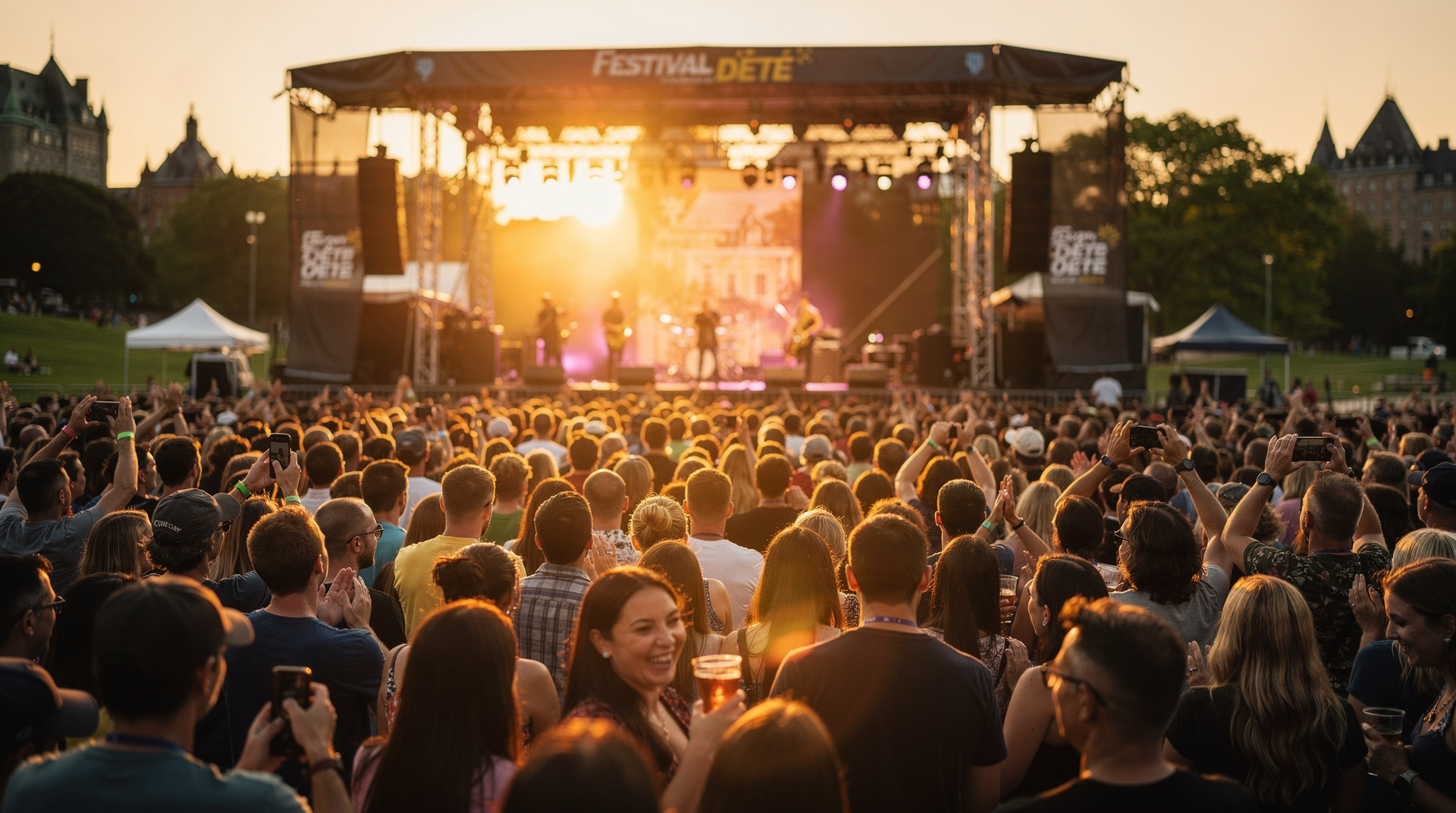
The resort’s summer festival programming (outdoor concerts, events in the main square) begins in earnest in July. In late June you get occasional events but not the constant programme of high summer.
If the full resort experience — families, events, the beach at capacity, everything running — is what you want, go in July. If you want the mountain, the lake, the hiking, and the restaurant reservations without the scrum, late June is the better call.
The honest numbers for a weekend
Here is what a realistic late June weekend at Mont-Tremblant costs for two people:
- Two nights in a condo near the village: 360 to 520 CAD
- Gondola tickets (2 adults): 55 CAD
- Sentier des Cimes tickets (2 adults): 80 CAD
- Paddleboard rental (2 hours, 2 boards): 70 CAD
- National park entrance (2 days, 2 adults): 28 CAD
- Two restaurant dinners: 120 to 200 CAD
- Groceries and lunches: 60 to 80 CAD
- Fuel from Montréal and back: 40 to 60 CAD
Total range: approximately 800 to 1,100 CAD for two people for two full days. In July, add 20 to 30 percent on the accommodation costs alone.
The best time to visit Québec guide covers the full seasonal logic for the province, but for the Laurentides specifically, late June and the first half of September are the two windows that consistently offer the best balance of conditions and value.
Frequently asked questions about Mont-Tremblant in summer shoulder season: the case for late June
Is late June too early for swimming at Lac Tremblant? No — the water sits around 18 to 20°C, which is cool but genuinely swimmable, and we had large sections of the lake to ourselves on a paddleboard. By August it’s a couple of degrees warmer but noticeably more crowded.
Does the gondola run in late June? Yes. The panoramic gondola operates roughly from the last week of May through mid-October, so late June is comfortably within season, with none of the July crowding.
If you’re planning a family trip rather than a couples’ weekend, our skiing with kids at Mont-Tremblant piece covers the winter side of the same resort — useful context for comparing the two seasons if you’re deciding when to go.