Montréal versus Québec City: my personal take
A confession before the comparison
I should say upfront that I have a bias. After three visits to each city, I have a preference, and this essay will arrive at that preference, but I want to earn it by actually describing what each place is rather than just announcing a winner. The comparison matters because this is one of the most common questions I get from people planning a Québec trip: should I go to Montréal, or Québec City, or both?
I visited both cities in February 2019, back to back, five days in Montréal followed by four days in Québec City. February is not the obvious choice for either place — it is genuinely cold, around -18°C in Montréal and -20°C in Québec City during my visit, with windchill pushing those numbers further south. But I wanted to see both cities in their most extreme version, and winter is certainly that.
| Montréal | Québec City | |
|---|---|---|
| Population | 2.1 million (4 million metro) | 500,000 |
| Feel | Cosmopolitan, bilingual, dense | Historic, francophone, compact |
| Getting there from Europe | Direct flights to YUL | Usually via Montréal or Toronto |
| Between the two | ~3hrs by VIA Rail or car | Same |
| Best for | Food, nightlife, culture diversity | Architecture, history, winter atmosphere |
Montréal in February: underground and above
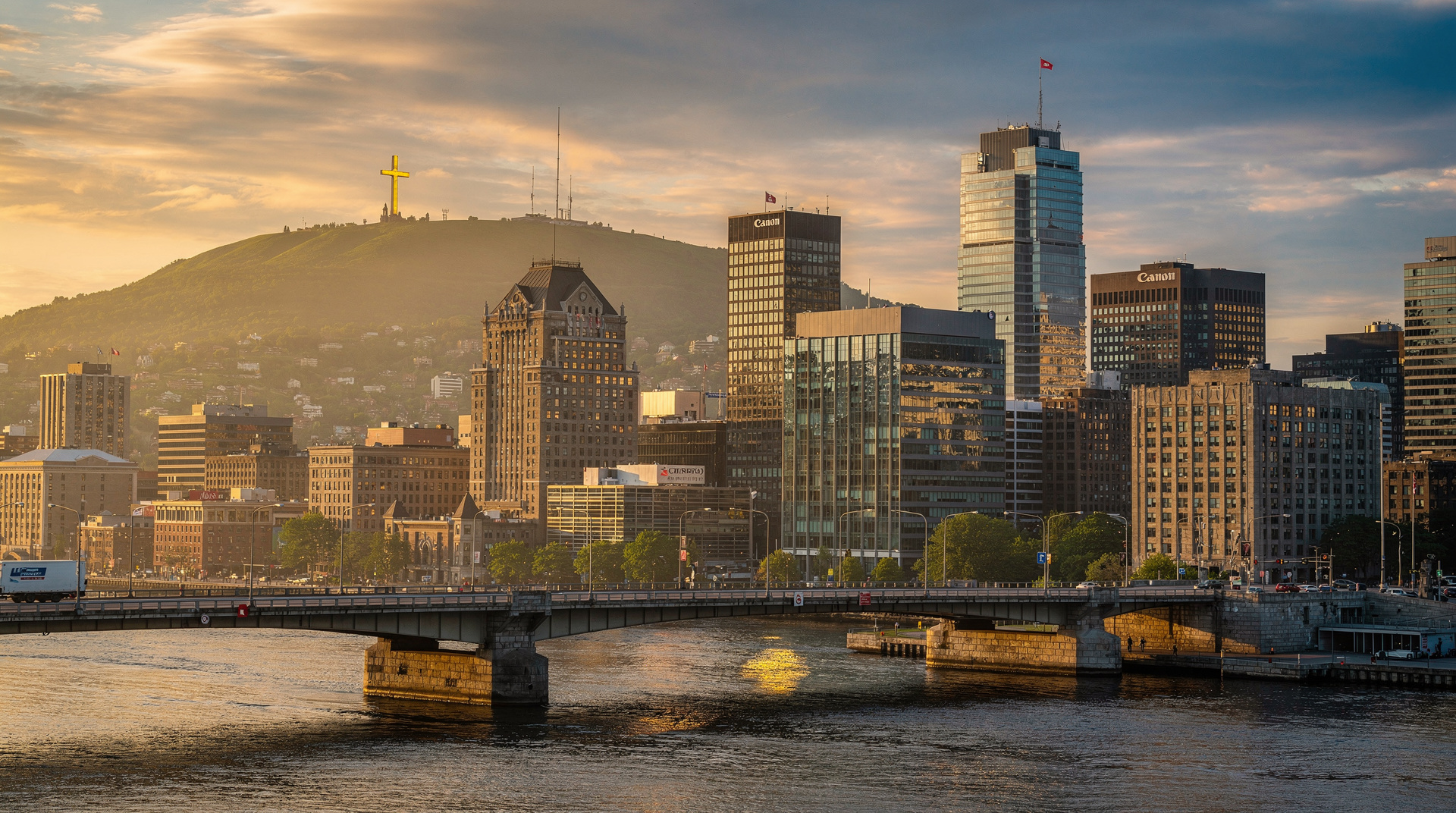
What Montréal does in February is make itself habitable through sheer engineering. The RÉSO — the underground city — is a network of tunnels connecting the metro stations, shopping malls, hotels, and office towers across a significant portion of downtown. You can, in theory, go days without stepping outside. I tested this. For about thirty-six hours I lived entirely underground, eating at the food courts, walking between warm buildings, watching Montréalers navigate their subterranean city as though it were simply normal infrastructure, which for them it is.
But this is not what Montréal is. The real city is above ground, in the neighbourhoods. I walked to Mile End on a Saturday morning — bundled in everything I owned — and found a neighbourhood that felt like the kind of place young creative people make when they can still afford rent: murals on every wall, coffee shops with good espresso, bagel shops (more on this later, in a separate post) with wood-fired ovens working at dawn, Vietnamese restaurants next to Québécois bars next to Ethiopian takeaways.
The Plateau-Mont-Royal, Mile End’s more established neighbour, is similarly alive in a way that is specifically Montréal — a combination of French and English and a dozen immigrant languages, all somehow generating a culture that is neither one thing nor the other but recognisably itself.
Montréal in winter has an energy that surprised me. The Quartier des Spectacles was running winter events. The restaurants were full. The bars on Saint-Denis were busy at 11pm on a Wednesday. The city does not retreat from winter; it installs fire pits on the terrasses and hands out blankets.
I stayed at the Hotel Le Crystal near downtown — clean, slightly corporate, good location — and it felt like the right base for a city that I explored mostly on foot and by metro. The metro is excellent, by the way: frequent, cheap, and warm.
Québec City in February: the fortress and the cold
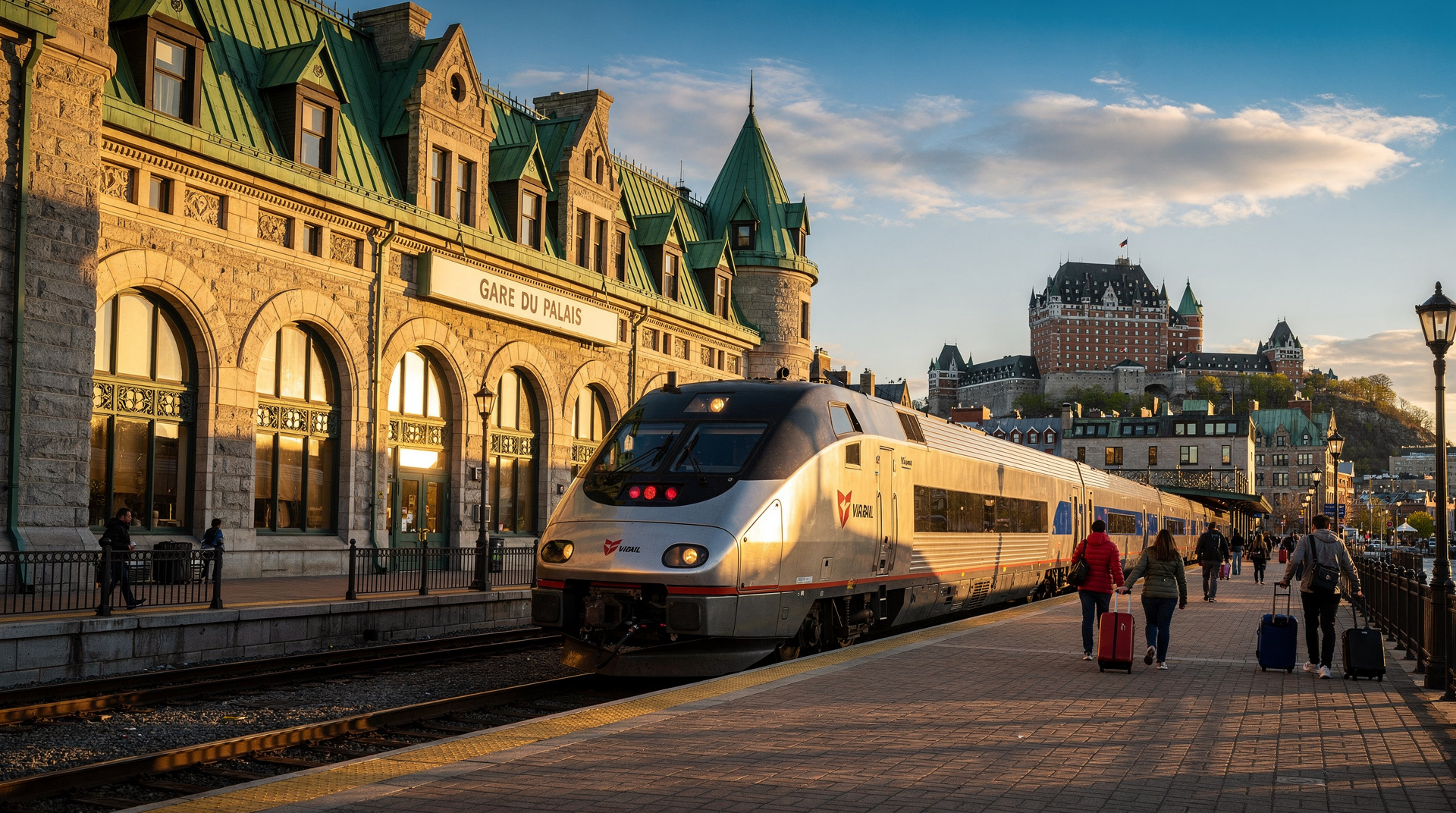
Québec City in February is a completely different emotional register. I arrived by VIA Rail train (three hours from Montréal, a pleasant ride) and walked out of the station into -22°C air and a sky so blue it hurt. The Carnaval de Québec was three days away from ending, and the city had the feeling of a party that knows it’s nearly over and wants to get one more good night in.
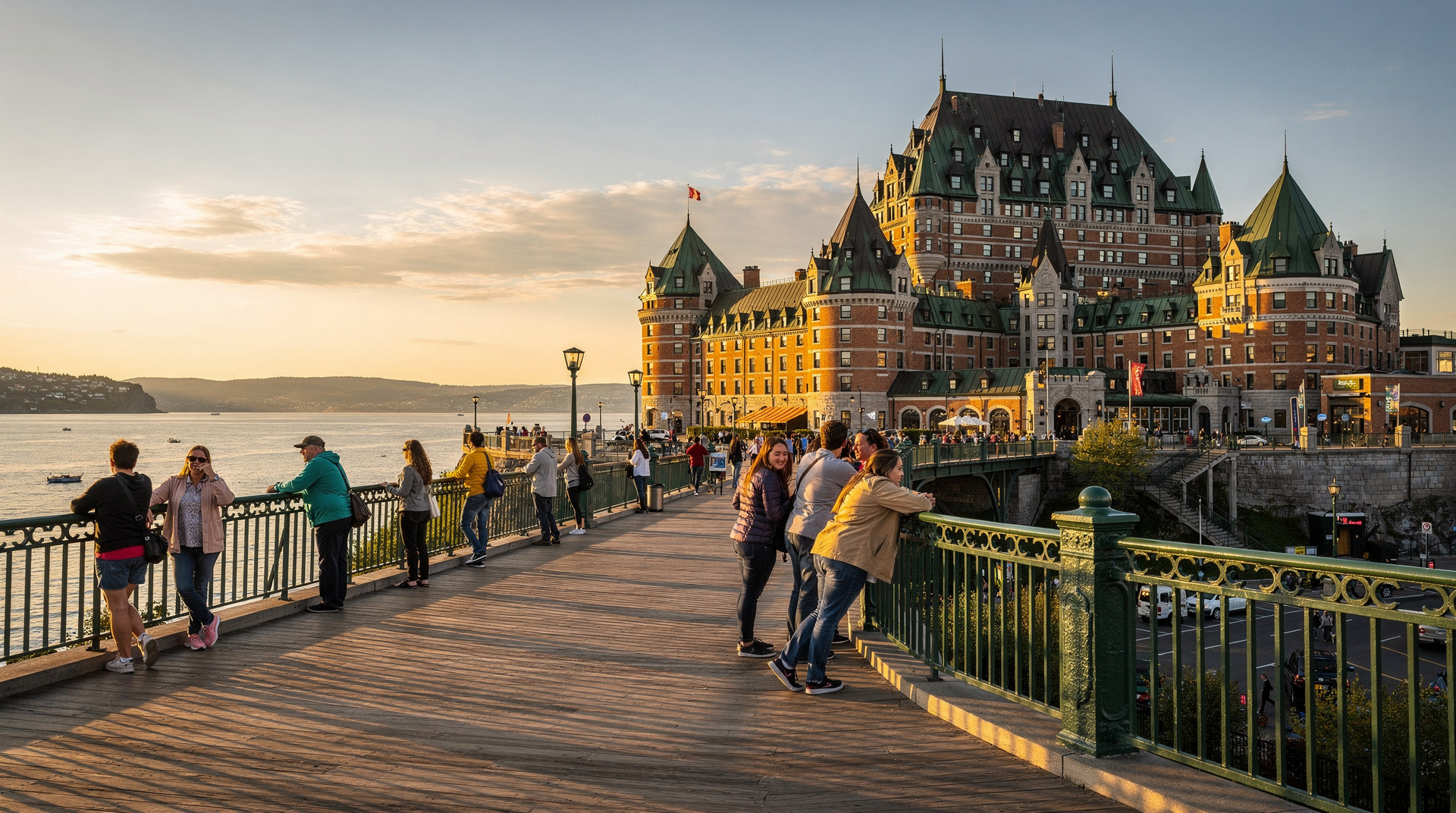
The Carnaval parades had finished, but the outdoor ice sculptures were still intact — enormous carved figures on the Terrasse Dufferin, illuminated at night, slowly softening as February crept toward its end. The Hôtel de Glace at Valcartier (thirty minutes from the city) was still open, and I spent a night there on the recommendation of a friend. This is the kind of experience that sounds gimmicky and turns out to be genuinely remarkable: rooms carved from ice, sleeping bags rated to -30°C, a sauna to escape to when the novelty wears off. I woke at 3am convinced I could see my breath in the moonlight coming through the ice window. I could.
The old city in winter is intimate in a way it isn’t in summer. The crowds are thinner, the streets are snowy, and the stone buildings absorb the cold into something that feels austere and beautiful. I ate at Aux Anciens Canadiens on Rue Saint-Louis — a restaurant in a seventeenth-century house, serving traditional Québécois food, tourist-facing but worth a single visit for the setting and the tourtière. It is not where I would eat every night, but as an experience of old Québec in winter, it makes sense.
The Upper Town is walkable in a way Montréal’s spread is not — you can cover the essential Vieux-Québec in a day on foot, which for some travellers is a relief and for others feels limiting.
The actual comparison, honestly
Size and pace. Montréal is a proper metropolis with 2.1 million people in the city proper, 4 million in the metro area. Québec City has 500,000. This is not a value judgment, just a fact that shapes everything. Montréal has the density, the cultural diversity, the international restaurant scene, the nightlife that comes with being a major city. Québec City has a compactness that makes it exceptionally easy to navigate and gives it a different kind of charm — the old city especially feels like a place with a coherent identity, not a patchwork of neighbourhoods competing.
Language. Both cities are francophone, but the experience is different. In Québec City, especially in Vieux-Québec, English-language service is common in tourist areas but French is the default and the street language. In Montréal, certain neighbourhoods are predominantly French (Rosemont, Plateau, Saint-Henri), others are predominantly English (Westmount, NDG, much of downtown), and many are genuinely bilingual. For someone who wants a fully French-language immersion, Québec City is the stronger choice. For someone who wants the complexity of a bilingual city, Montréal is more interesting.
Food. Montréal wins on breadth and range — there is simply more of everything, from high-end tasting menus on Rue Saint-Denis to the best pho I have eaten outside Hanoi to the wood-fired bagels of the Plateau. Québec City has fewer restaurants but some excellent ones, and the food is more specifically Québécois — maple, game, local produce, traditional preparations updated with contemporary technique. Both are genuinely good food cities by any standard.
For a first visit. If you have never been to Québec and you have five days, split them: three in Montréal, two in Québec City, or two in Montréal, three in Québec City. Don’t choose. If you must choose one, and you are interested primarily in history, architecture, and a specifically French-North American culture, go to Québec City. If you are interested in contemporary urban life, food diversity, art, and nightlife, go to Montréal. If you are going in winter specifically for the Carnaval or the Hôtel de Glace, Québec City is non-negotiable.
My preference
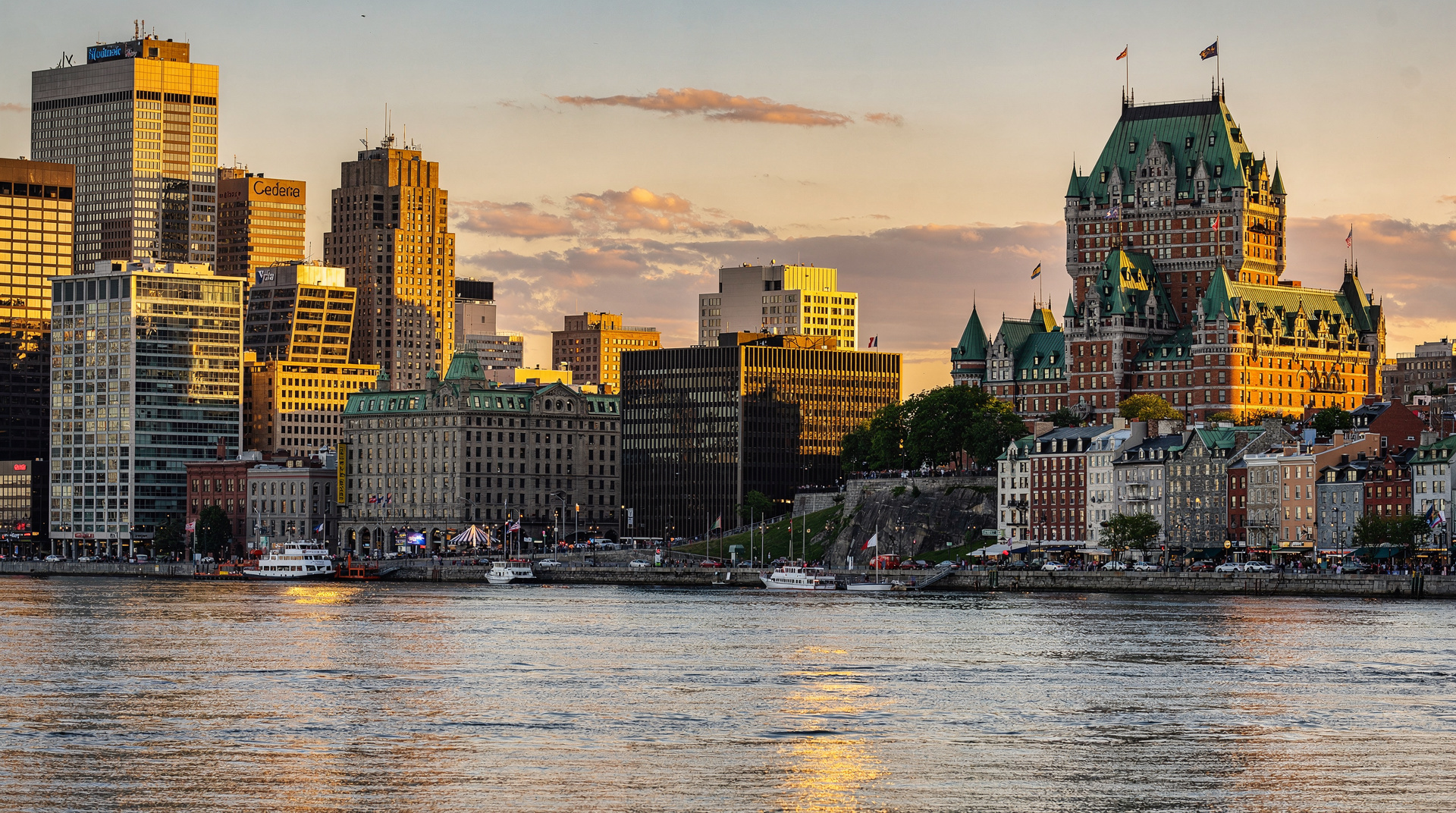
I like Québec City more. I didn’t expect to. I thought Montréal’s energy would win me over definitively, and in many ways it did — I have eaten better in Montréal, seen better art in Montréal, had stranger and more memorable late-night conversations in Montréal. But there is something about standing on the Terrasse Dufferin in the cold, looking out at the river and the cliffs and the rooftops of the old city below, that settles in me the way few places do. It feels earned. It feels like nowhere else.
Doing both, practically
You do not have to choose, and honestly I think choosing is the wrong instinct for most first-time visitors. The two cities are close enough — about three hours by VIA Rail train or by car — that combining them is straightforward rather than ambitious. The train is the more relaxing option: no parking to think about in either city, and you can work or sleep through the flat stretch of the Chaudière-Appalaches countryside between them. Driving gives you more flexibility if you want to stop along the way, but neither city needs a car once you have arrived — both have compact, walkable historic cores and reasonable public transport.
If you are short on time and have to lean one way, think about season and interest rather than which city is “better.” Visiting in winter specifically for the Carnaval or the ice hotel settles the question in Québec City’s favour immediately. Visiting for a festival season — jazz, comedy, fireworks — points you toward Montréal. If neither pulls strongly, split the days roughly evenly and let the itinerary decide for you.
Where I’d stay in each city
In Montréal, I would choose the Plateau or Mile End over downtown for the neighbourhood feel described above, accepting a slightly longer walk or a short metro ride to the major sights in exchange for better food and a more residential pace in the evenings. In Québec City, staying inside or just outside the walls of Vieux-Québec is worth the premium — the old city is compact enough that everything is within a twenty-minute walk, and being able to return to a warm room quickly in winter matters more than it sounds like it would.
The comparison guide I’ve written goes deeper into the logistics — distances, transport between cities, which one to use as a base for day trips. The Montréal destination page and the Quebec City page cover the specific sights in more detail. And for both, the 5-day itinerary is the one I actually use when recommending trips to friends. If you’re weighing up the two seasons for Québec City specifically, my winter versus summer comparison covers that in more depth than I can here.