Planning a Canada trip post-pandemic: what changed
A note before you read this: this piece was written in March 2021, at the height of pandemic-era border restrictions, and is kept online as a historical record of what entering Canada actually involved that year. All COVID-specific requirements described below — testing, ArriveCAN, quarantine — have since been lifted. If you are planning a trip today, skip to the visa and eTA guide for the current entry requirements; the eTA itself is the one part of this piece that is still accurate.
The state of things in early 2021
I am writing this in March 2021, when the rules for entering Canada are still changing fast and anyone who tells you they know exactly what the situation will be in three months is guessing. What I can offer is a clear-eyed picture of where things stand right now and what the trajectory seems to be, with the strong caveat that you should check the Government of Canada website (canada.ca) directly before booking anything.
The short version: Canada’s international borders are technically open for essential travel, have been since March 2020, but the non-essential travel rules have evolved dramatically over the past year and continue to evolve. As of March 2021, the situation for leisure travellers from Europe or the United States is restrictive. This is likely to change. The question is when.
| Snapshot: March 2021 | |
|---|---|
| Pre-departure test | Negative PCR/NAAT within 72hrs |
| App required | ArriveCAN (mandatory) |
| Quarantine | 14 days unless exempt |
| On-arrival tests | Day 1 and around Day 8 |
| eTA | Still required, 7 CAD, unrelated to COVID rules |
What the rules require right now
As of the time of writing, all travellers entering Canada by air — regardless of nationality and regardless of vaccination status — must:
1. Show a negative COVID-19 molecular test taken within 72 hours of departure. This means a PCR test or a NAAT test. Rapid antigen tests are not accepted for this requirement. The test must be a lab-issued result, not a self-test. If you are travelling from the UK or Europe, this means finding a testing provider that issues results within 24 to 48 hours and costs somewhere between 60 and 150 euros depending on where you are and how quickly you need the result.
2. Complete the ArriveCAN app before departure. ArriveCAN is a free Government of Canada application that collects your travel details, your COVID test results, and your quarantine plan. You complete it on your phone before you board and present it at the border. It is mandatory, not optional. I’ll admit the app had some early technical issues when it launched, but as of early 2021 it is reasonably functional.
3. Quarantine for 14 days upon arrival — unless you qualify as an exempt traveller (certain essential workers, Canadian citizens returning home, specific categories). For leisure travellers, the 14-day quarantine is not theoretical: it is enforced, with spot checks and the possibility of fines for non-compliance. The quarantine can be served in your own accommodation (hotel, rental, staying with friends or family) as long as you have suitable isolation.
4. Take a COVID test on arrival at the airport, and then a second test on or around day 8 of quarantine. Canada uses the “day 1 and day 8” testing protocol. You register for these tests in advance through ArriveCAN.
What vaccinated travellers can expect
By March 2021, the vaccination rollout in Canada is underway but not yet at a stage where vaccination significantly changes the entry requirements. The expectation — based on government statements and the trajectory in other countries — is that fully vaccinated travellers will eventually be exempted from or have shortened quarantine requirements. But this has not happened yet, and a date has not been officially announced.
If you are planning a trip for summer 2021, the honest advice is: don’t book anything non-refundable until the vaccination exemption policy is confirmed. Book flexible fares, book hotels with free cancellation, and watch the Government of Canada travel advisory page.
The ArriveCAN app in practice
Several friends who have entered Canada on essential travel in the past six months have shared their experiences with ArriveCAN. The consistent feedback is: complete it at least 24 hours before departure, not at the airport. The form asks for your test results (you upload or enter the key details), your quarantine address in Canada, and your emergency contact information. It generates a QR code that customs officers scan on arrival.
One friend who travelled in January described the border process at Montréal-Trudeau airport as “longer than normal but more organised than I expected.” The test on arrival was a nasal swab, administered in a corridor off the arrivals hall. The whole process added about forty-five minutes to his arrival experience.
The eTA situation, unchanged
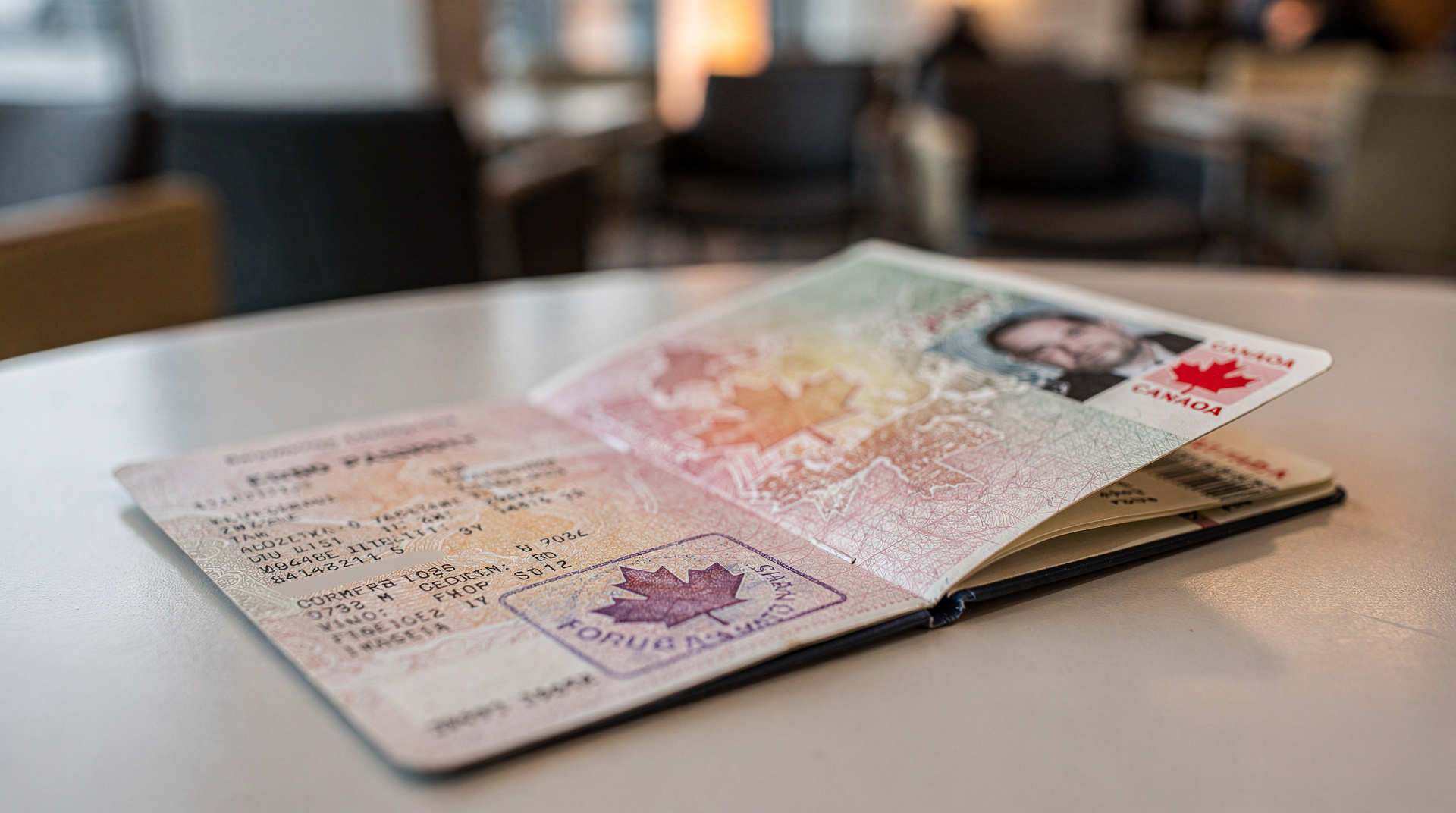
Unrelated to COVID rules, the electronic travel authorisation (eTA) requirement for visa-exempt nationals arriving in Canada by air remains in place and unchanged. If you are from the EU, the UK, Australia, New Zealand, Japan, or South Korea, and you are flying into Canada, you need an eTA even though you don’t need a visa. The eTA costs 7 CAD, is applied for online at canada.ca, and is linked to your passport. It is valid for five years or until the passport expires.
The confusion I see frequently: people confuse the Canadian eTA with the European ETIAS (the planned EU travel authorisation system, not yet in operation as of 2021). They are completely separate systems. The Canadian eTA is a real requirement right now; the European ETIAS is a future proposal not yet relevant to travel to Canada.
What I would do if I were planning a summer 2021 trip
I would wait until April or May to book, watching for government announcements on vaccination-based entry exemptions. I would choose flights and accommodation that are fully refundable or changeable without significant fees. I would budget for COVID testing costs — at least one PCR test before departure, potentially more if there are testing requirements in transit countries. I would research what testing infrastructure is available in my home city and identify a provider that can give results within 48 hours.
I would not cancel plans entirely. The expectation, based on the vaccination rollout pace in both Canada and most European source markets, is that something resembling normal leisure travel to Canada will be possible by late summer or autumn 2021. Whether Québec will be welcoming international visitors in July, August, or September is genuinely unclear as of March. I think the odds favour September as the most likely window for unrestricted travel, but I am not a public health expert.
When things open: where to start planning
The visa and eTA guide covers the permanent entry requirements for Europeans in detail. The best time to visit guide covers the seasonal logic that will still apply once the COVID situation resolves — the Carnaval, the whale-watching season, the foliage. And the budget guide has practical information on costs that is timeless.
The trip I have rebooked for September 2021 is Charlevoix and Tadoussac — the trip that was cancelled in April 2020. I am not being optimistic; I am being cautiously prepared. The hotels have free cancellation. The flights are flexible. The maple syrup is still on order.
Renting a car and other logistics that outlast any pandemic
Whatever the border situation looks like when you finally travel, the practical logistics of a Québec trip stay the same. If your plans involve driving — and outside Montréal and Québec City, a car opens up far more of the province than public transport does — the car rental guide covers what a European licence needs and what to expect from Canadian rental companies. Currency is another thing worth sorting before you land rather than at the airport kiosk; keep an eye on CAD/EUR rates as your trip approaches.
Why I am not cancelling, and why you probably shouldn’t either
The instinct after a year of cancelled trips is to assume the next one will be cancelled too. I understand that instinct completely, and I had it for most of 2020. But the trajectory of vaccination rollouts across Europe and North America in the first months of 2021 is genuinely different from anything in the previous year — this is not wishful thinking, it is the difference between a virus with no countermeasure and one with an accelerating one. Booking flexibly and waiting for confirmation on the details is not the same as not booking at all.