Québec 2026 travel trends: what to expect
The new shape of Québec tourism
Québec tourism has been changing shape for several years, and 2026 represents something like the consolidation of a new normal. The post-pandemic rebound that drove 2022 to 2024 visitor numbers to record levels has flattened into a more sustainable growth curve. The question now is not how many people are coming but who they are, what they want, and what that means for the experience of visiting.
Here is my read on the major trends shaping Québec travel in 2026, with implications for how visitors should plan and what to expect.
| 2026 at a glance | |
|---|---|
| Leading growth market | Europe (Germany, Italy, UK, beyond France) |
| Top demand | Nature/micro-adventure, foliage, wellness |
| Prices vs 2019 | +25–35% on accommodation |
| Book ahead by | 6–8 weeks (summer), by June for foliage |
| Best value | Shoulder season (May–June, Sept–Oct) |
The post-pandemic visitor profile has shifted
The dominant international visitor to Québec in 2022 and 2023 was the pent-up European — primarily French — tourist who had been unable to travel for two years and was making up for lost time. That cohort drove luxury accommodation demand, pushed tour booking windows forward by months, and generated the sold-out summer that caught many operators off guard.
In 2025 and 2026, the profile has evolved. European interest in Québec remains strong but has diversified beyond France. German, Italian, and British visitors now make up a significantly larger share of European arrivals than they did pre-pandemic. This has practical consequences: more demand for English-language guiding, stronger interest in adventure and nature experiences (which these markets prioritise more than the French market’s food-and-culture emphasis), and a different price sensitivity profile.
The US market has shown sustained decline since 2023, linked partly to currency dynamics (CAD has been strong against USD) and partly to a broader trend of US tourists redirecting European trips. The gap has been more than filled by European and growing Latin American markets, but the shift matters for operators who built their businesses around American visitors.
Nature, micro-adventure, and regenerative travel
The dominant travel aspiration in 2026 among the European visitors who now make up Québec’s leading growth market is something between “nature immersion” and “micro-adventure” — experiences that feel physically demanding, psychologically restorative, and ecologically responsible. Not a resort holiday. Not a cruise. Something closer to: sleep in a wilderness setting, eat locally grown food, understand the ecosystem you are in.
Québec is exceptionally well-positioned for this. The province has 27 national parks and large territorial parks operated by Sépaq, a functioning wilderness infrastructure, and a tradition of outdoor guiding and outdoor education that has been developing for decades. The Parc national de la Jacques-Cartier, 40 kilometres from Québec City, is the easiest access point for wilderness immersion near an urban hub. The Parc national de Forillon at the tip of the Gaspésie peninsula is one of the most remote accessible ecosystems in southern Canada.
The challenge is that the same Sépaq parks that offer this immersion are now significantly oversubscribed on summer weekends. Online booking competition for Sépaq campsites, which opens on a rolling basis, is comparable to concert ticket sales — popular sites sell out within minutes. The advice for 2026: book Sépaq campsites as soon as the relevant booking window opens, travel midweek when possible, and consider the shoulder months of late May and late September over July and August.
Foliage tourism: from niche to mainstream
Foliage tourism — specifically, travelling to Québec in late September and October for the autumn colour — has moved from a niche interest of photography enthusiasts into a mainstream consideration for first-time visitors. The 2024 and 2025 seasons brought record autumn visitor numbers in Charlevoix and the Laurentides, with accommodation in peak foliage zones selling out six to eight weeks ahead of the predicted peak.
The practical consequence for 2026 visitors: if you are planning a fall foliage trip to Charlevoix or the Laurentides, book accommodation in September, October, or the first week of November as early as possible — ideally by late spring. Do not assume that a mid-October weekend trip to Baie-Saint-Paul can be planned two weeks ahead. It cannot, not if you want to stay in a good auberge within the optimal zone.
The upside of this mainstreaming: more operators in these regions have invested in foliage-specific experiences, including guided hikes designed specifically for colour observation timing, photography workshops, and regional harvest experiences that pair well with the autumn season.
The accommodation pricing reality in 2026
Hotel and auberge prices across Québec have risen significantly over the past four years, driven by a combination of demand growth, construction cost inflation, and the staffing challenges that hit the hospitality industry hard post-pandemic and have not fully resolved.
In practical terms for 2026 visitors:
Montréal: A solid 3-star hotel in a central neighbourhood (Plateau, Vieux-Montréal, Quartier des Spectacles) costs 200 to 280 CAD per night in peak summer. In 2019, comparable accommodation was 140 to 180 CAD. Budget 25 to 30 percent more than pre-pandemic estimates.
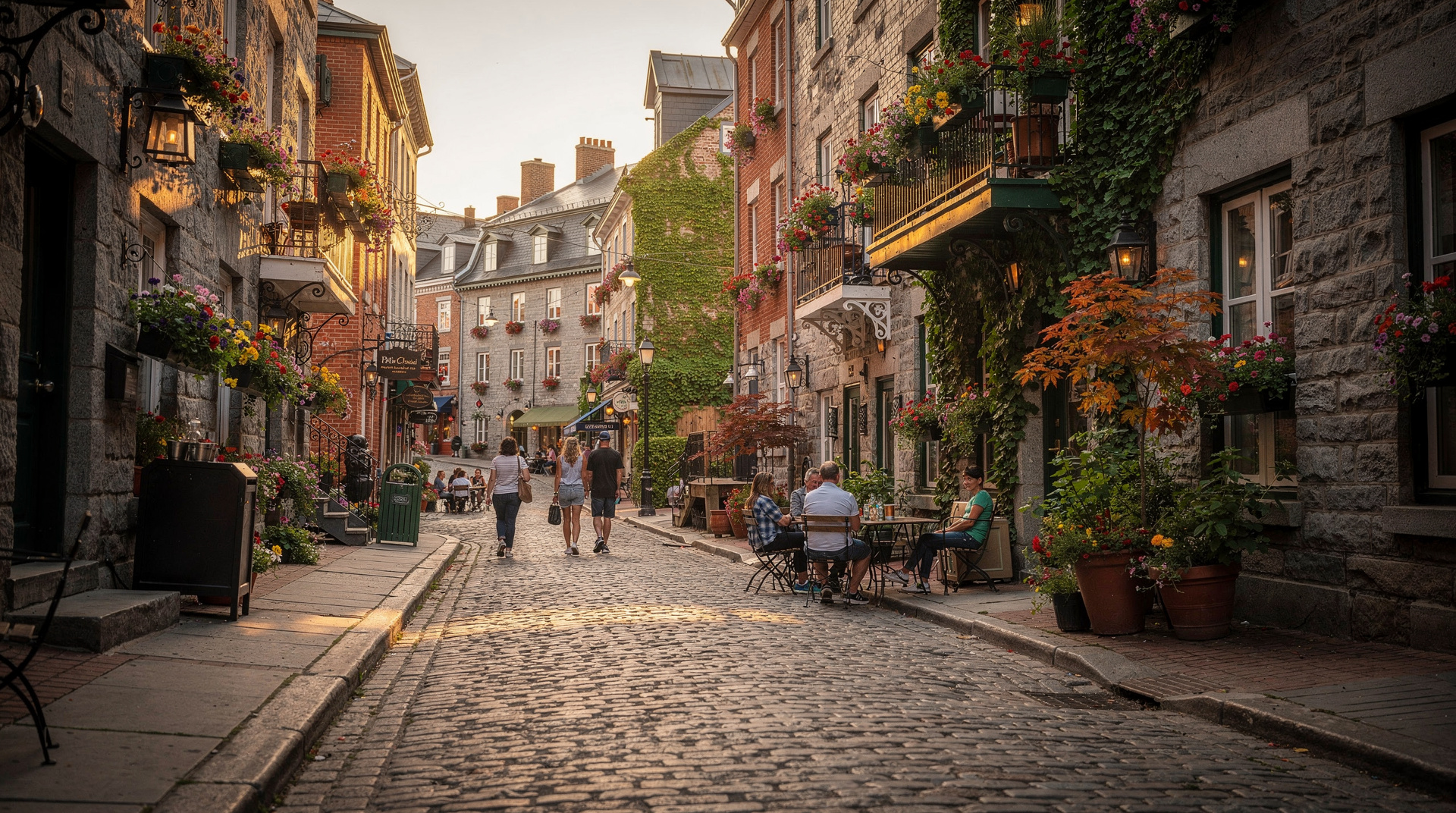
Québec City: Accommodation in or near Vieux-Québec during peak season (July-August and Carnaval) costs 220 to 350 CAD per night at a quality property. The best small hotels are often sold out 8 to 12 weeks in advance.
Regional auberges (Charlevoix, Cantons-de-l’Est, Laurentides): The high-quality rural auberge sector has benefited enormously from increased domestic and European demand. Expect 200 to 350 CAD per night at properties that three years ago would have cost 140 to 200 CAD. Some peak-season pricing has moved even higher.
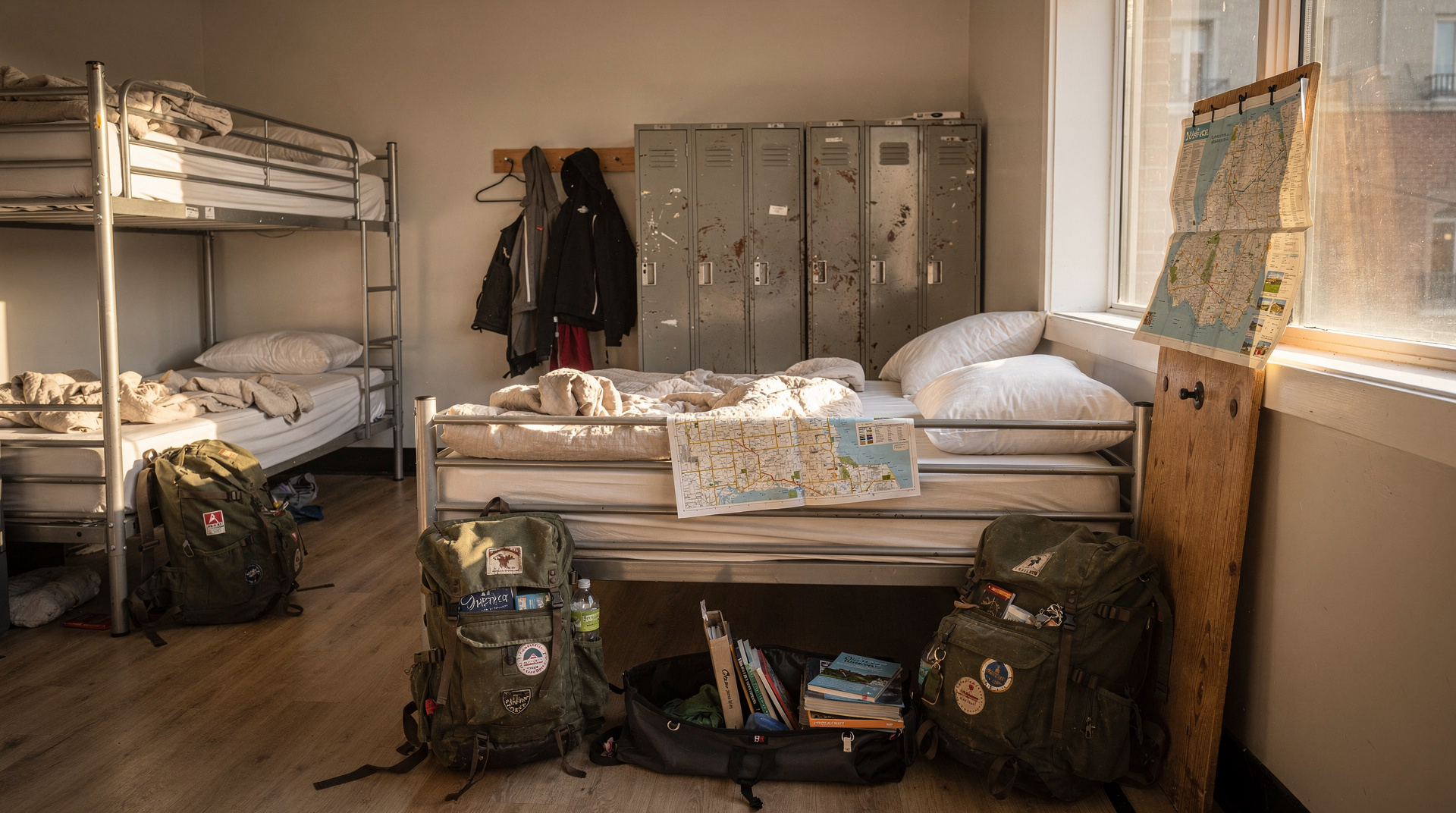
The budget response: consider Sépaq’s oTENTik structures and PRÊT-À-CAMPER (ready-to-camp) units, which provide a middle ground between camping and hotel at 100 to 140 CAD per night. These offer comfortable camping with a roof in well-located parks and represent one of the best value options in 2026’s accommodations landscape.
What has not changed and is unlikely to
A few things remain consistent despite the broader shifts:
The Saint-Laurent remains extraordinary. Whale watching in Tadoussac, the Saguenay fjord, the drive along Charlevoix — these are not trending, they just are what they are.
Québec’s food scene continues to evolve. Montréal in particular has consolidated its position as one of North America’s most interesting restaurant cities, with a distinct cooking identity that draws on French technique, Indigenous ingredients, and the province’s distinctive agricultural base.
The French language is a feature, not a complication. The particular Québécois French spoken in the province — different enough from metropolitan French to be its own thing — is part of what makes Québec distinctive as a North American destination. Visitors who engage with the language even minimally are typically rewarded with a warmer experience.
The distances are genuinely large. No amount of tourism trend analysis changes the fact that driving from Montréal to the tip of the Gaspésie takes 10 hours. Plan accordingly.
Planning advice for 2026
Given the above:
Book accommodation early. For summer travel, six to eight weeks minimum for popular properties; for foliage season, book by June if possible.
Consider the shoulder season. May-June and September-October offer meaningful savings on accommodation, thinner crowds, and often better weather for outdoor activities.
Factor in price inflation. Budget 25 to 35 percent more than any pre-2022 estimates you may have saved or read about online.
Look at lesser-visited regions. The Mauricie (Parc national de la Mauricie), Lanaudière, and the Bas-Saint-Laurent outside of Rimouski offer real Québec experiences with significantly less crowding than the headline destinations.
Where the trend data points for specific trips
If nature immersion is what’s drawing you, hiking the Parc national de la Jacques-Cartier near Québec City is the easiest way to test the 2026 zeitgeist without committing a full week to it — close to the city, genuinely wild, and increasingly busy on weekends for exactly the reasons above. If foliage is the draw, plan around Charlevoix rather than the more heavily trafficked Laurentides corridor if you want a quieter version of the same colours; the region rewards a slower, multi-day pace better than a single day trip does.
Parc de la Jacques-Cartier guided outdoor excursion
The best time to visit Québec guide is updated annually and is the most current resource for season-by-season planning logic, including the most recent Sépaq booking windows and accommodation availability patterns.