Québec spring 2026: when the trails actually open
The season that nobody photographs
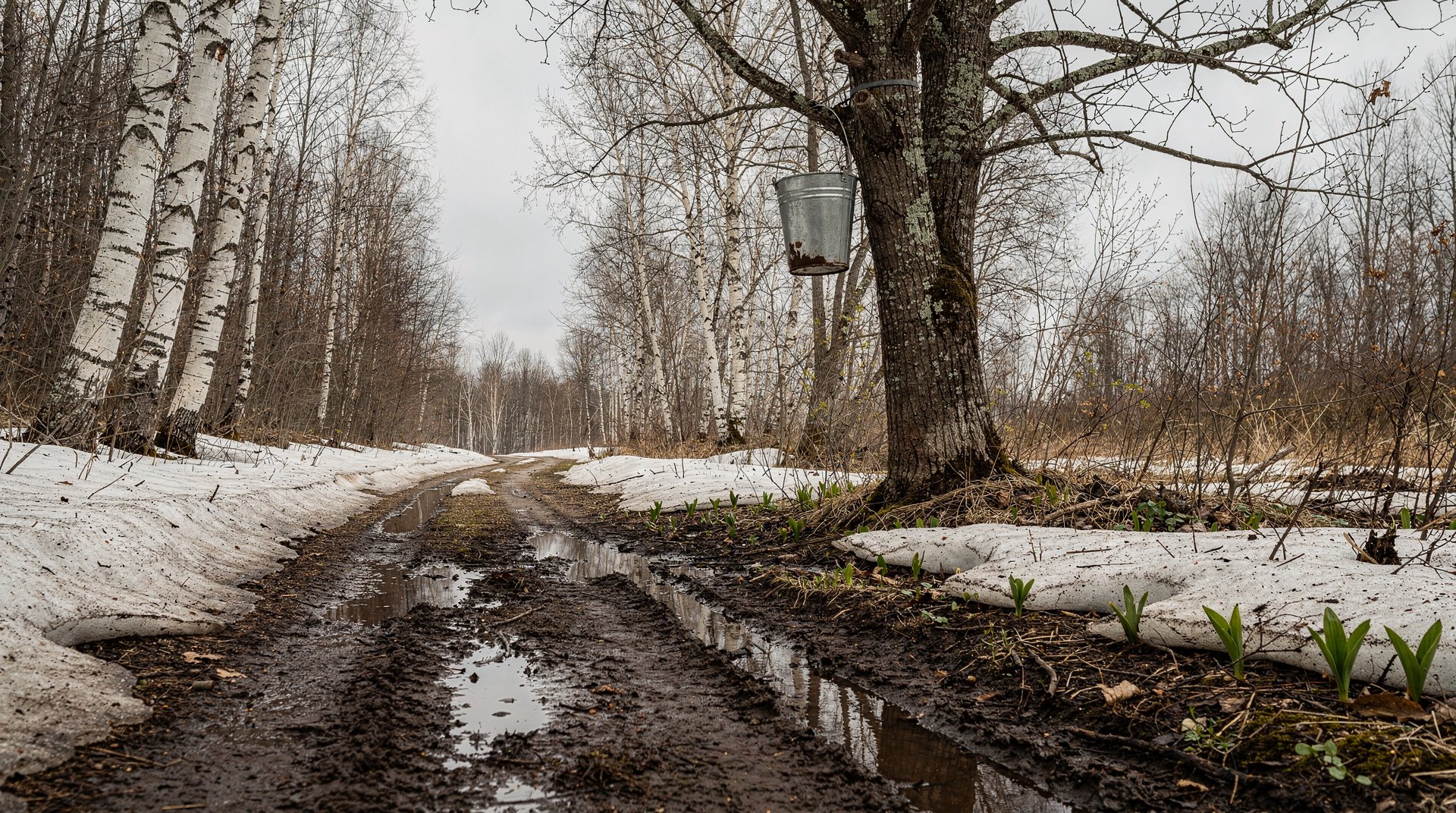
If you look at Québec travel photography, you will find hundreds of images of foliage, ice, summer lakes, and Carnaval. You will find almost nothing from late March through early May. This is not an accident. That period — the transition from winter to spring — is the most objectively challenging season for outdoor activities in the province, and the reason is simple: mud.
Spring thaw in Québec happens unevenly. The snow melts from the top while the ground below is still frozen, creating a period of several weeks when trails in the forests and national parks are saturated, soft, and in many cases actively dangerous for hikers and erosive for the trail surfaces themselves. Sépaq (Société des établissements de plein air du Québec) responds by closing hiking trails across its park network and reopening them gradually as conditions allow.
For visitors planning spring trips to Québec, this matters enormously. Here is the honest picture for 2026.
| Park | Status (late April 2026) |
|---|---|
| Mont-Tremblant | Lower trails open; summit closed to mid-May |
| Jacques-Cartier | Valley open; ridge trails closed |
| Frontenac | Mostly open |
| Gaspésie | High elevation closed to late May |
| Bic | Almost fully open |
How mud season works
The freeze-thaw cycle that drives mud season in Québec is temperature-dependent. Once daytime temperatures consistently clear 5°C and the snowpack has melted, the surface layer of the ground warms and softens first. The permanently frozen layer below (which persists until mid-May in most of the province) blocks drainage. The result is the geological condition called “active layer,” which hikers experience as trail surfaces that can collapse under weight, leaving boot-sized holes or generating significant soil displacement.
The trail damage is real and the closures are not performative. Parks Québec rangers doing condition assessments have found that a single busy weekend of hiking on thawed but undrained trails can create ruts and erosion that take a full summer to recover. The closures protect both the experience and the ecosystem.
The typical pattern: trails at lower elevations and southern exposures open first, often in mid to late April. Higher elevation trails, north-facing slopes, and trails through low-lying wet forest may not open until late May or even early June in poor years.
The 2026 spring timeline so far
As of the date of this piece (late April 2026), here is the status across major Sépaq parks:
Parc national du Mont-Tremblant: Lower trails open as of April 18. The summit trail and the Lac Monroe circuit remain closed. Projected opening for high terrain: May 10-18, depending on snowpack. The bog trails (sentiers en tourbière) have their own timeline and will likely be among the last to open.
Parc national de la Jacques-Cartier: The valley floor trails along the rivière Jacques-Cartier opened April 20. The ridge trails are closed. Conditions are wet but manageable at river level. The park’s visitor centre confirmed May 1-7 as the projected window for ridge trail assessment.
Parc national de Frontenac: Most trails open. This park, in the Eastern Townships region (Cantons-de-l’Est), drains better than the northern parks and had an earlier opening. As of mid-April, the majority of the trail network was accessible.
Parc national de la Gaspésie (Chic-Chocs): High-elevation trails still closed, with snow persisting at summit elevations. Valley trails along the Rivière Sainte-Anne partially open. Full opening for the popular Pic du Brûlé and Mont-Albert area not expected before late May.
Parc national du Bic (Bas-Saint-Laurent): Almost fully open as of April 15. The coastal location and lower elevation mean this park exits mud season earlier than the interior parks. Good option for April hikers.
What you can actually do in April and early May
This is the real question. The answer is more than you might expect.
Urban walks and greenways: Montréal’s Mount Royal, the waterfront trails at the Vieux-Port, the canal Lachine path, the parks of Île Sainte-Hélène — these are all accessible year-round and genuinely pleasant in April. The canal Lachine cycling path connects Vieux-Montréal to LaSalle along the historic canal and is one of the best urban cycling routes in Québec even when everything else is closed.
Coastal areas: The Bas-Saint-Laurent and parts of Charlevoix accessible via Route 138 are less affected by inland mud season. The shore walks around Bic, the seaside trails at Cap Jaseux (Saguenay), and the Île-aux-Coudres ferry loop are all worth considering in April.
Maple season: The cabanes à sucre (sugar shacks) close in mid-April as the sap run ends. But the maple season itself — the product, the sugar operations, the agricultural landscape of the sugarbush — is at its most beautiful in early April. A drive through the Montérégie or the Laurentides in early April passes sugar operations at work, with steam rising from boiling houses and the smell of evaporating sap in the air.
Birding: The spring migration through Québec is significant and largely ignored by the outdoor tourism industry. April and early May bring waves of migratory species up the Saint-Laurent flyway. The marshes of the Montérégie (particularly the Haut-Saint-Laurent region) and the shore at Cap Tourmente near Québec City are exceptional birding locations in this window.
The Sépaq booking system and spring availability
One underappreciated benefit of spring timing: Sépaq park campsites are genuinely available in late May and early June at a period when summer booking competition has not yet kicked in. If you are targeting late May — after the mud but before the school holiday crowds — and you book as soon as the park confirms its opening date, you can often secure campsites that would be impossible to get in July.
The booking window on the Sépaq website opens on a rolling basis: sites become bookable 90 days ahead of the check-in date. For late May hiking, set a calendar reminder for late February to early March.
The best hikes in Québec guide ranks trails by season accessibility and includes specific notes on which routes are typically available in late April versus which require a June window.
Managing expectations for spring travel
A spring visit to Québec is not the same as a summer visit. Some things are genuinely not available: certain boat tours (whale watching at Tadoussac begins in May but is unreliable early in the season), many trail networks, the full suite of outdoor guide operations. The days are long and light-filled but the temperatures are variable — April in Québec can mean anything from snow to 18°C within the same week.
What spring does offer is a Québec that is less crowded, often significantly cheaper on accommodation, and in certain ways more itself. The maple season, the ice leaving the rivers (débâcle), the first green on the south-facing hillsides — these are not tourist spectacles, they are things that happen every year regardless of visitors, and being present for them is its own reward.
If you are planning a spring 2026 trip, the Québec in April guide has specific advice on where to base yourself, which park trails to target, and what the maple season itinerary looks like in practice.
If you can shift your dates
The single most effective thing a spring visitor can do is treat late May as the real target rather than April. By the last week of May, most of the parks listed above have opened their higher trails, whale watching around Tadoussac is starting to become reliable, and the worst of the mud has drained away without the summer crowds having arrived yet. If your travel dates are genuinely flexible, shifting a planned April trip two to four weeks later solves most of the problems described in this piece without sacrificing much in the way of low prices or quiet trails.