
Montréal craft beer: microbreweries and brewpubs worth your time
Old Port Craft Brewery & Beer Tasting
Duration: 3 hours
What are the best craft breweries to visit in Montréal?
Dieu du Ciel! (Mile End) is the essential stop — one of the most celebrated craft breweries in Canada, with an extraordinary rotating tap list. Vices & Versa (Little Italy) serves the widest selection of Québec craft beers in one place. Brasserie Harricana (Rosemont) is the best recent addition. McAuslan Brewery (Saint-Henri) is the most established Montréal craft brewery and offers tours and a taproom.
Québec’s craft beer moment: context first
Québec was late to deregulate small-scale brewing — the provincial alcohol monopoly (SAQ) and strict licensing laws kept the craft beer market suppressed until the 1990s. When the laws relaxed, the scene developed rapidly and in a distinctively Québécois direction: heavily influenced by Belgian traditions, technically ambitious, and with a cultural openness to unusual ingredients and styles that has produced some of the most interesting beers in Canada.
Montréal is the centre of this scene. The city now has over 20 breweries and brewpubs within the urban core, plus a secondary wave in the suburbs and surrounding regions. This guide focuses on the addresses most worth visiting for a traveller with limited time.
| Where | Mile End, Little Italy, Rosemont, Saint-Henri |
| Cost | Beers ~7–9 CAD; guided tastings 65–85 CAD |
| Time needed | Half a day for 2–3 breweries; a full day with Vices & Versa |
| Getting there | Metro + short walks between most addresses |
| Best time | Early June for the Festival Mondial de la Bière |
The essential addresses
Dieu du Ciel! (29 avenue Laurier Ouest, Mile End)
The single most important address in Montréal craft beer. Dieu du Ciel! opened in 1998 and has operated a rotating tap list of extraordinary range and quality ever since — Belgian-style ales, double IPAs, barrel-aged stouts, fruit saisons, and their two most famous beers: Péché Mortel (Imperial Coffee Stout, 9.5 % ABV) and Rosée d’Hibiscus (witbier with hibiscus, a summer staple). The Mile End location is a neighbourhood pub; the production facility and larger taproom is in Saint-Jérôme (90 km north). The Mile End brewpub is the one to visit: atmospheric, always busy, excellent food alongside the beers. No reservations, arrive early on weekends.
McAuslan Brewing (5080 rue Saint-Ambroise, Saint-Henri)
The anchor of Montréal’s craft beer history. Founded in 1989 — when craft brewing in Québec was still a radical idea — McAuslan’s St-Ambroise Pale Ale and Oatmeal Stout established a quality baseline for the industry and remain excellent. The Saint-Henri taproom and brewery offers guided tours and a tasting room in a converted industrial space. The brewery’s Griffon Extra Pale Ale and seasonal offerings (notably the Apricot Wheat Ale in summer) are also worth seeking out. Tours must be booked in advance; the taproom is open most days.
Vices & Versa (6631 boulevard Saint-Laurent, Little Italy)
Not a production brewery — a multi-tap bar that specialises in Québec craft beers. With 35+ taps dedicated almost entirely to Québec producers, this is where you can systematically work through the province’s output in one sitting. The list changes continuously and the staff are knowledgeable. Food is good, the room is comfortable, and it is an essential stop for anyone trying to understand the breadth of Québec craft beer. Located near Marché Jean-Talon.
Brasserie Harricana (95 rue Jean-Talon Ouest, Rosemont)
The most impressive addition to the Montréal scene in recent years. Harricana operates in a large converted warehouse near Jean-Talon market with an extensive taproom, a very good food menu, and a brewing program that emphasises saisons, mixed-fermentation ales, and barrel aging. The space is beautiful — salvaged wood, high ceilings, excellent natural light. Worth a dedicated visit.
L’Amère à boire (2049 rue Saint-Denis, Quartier Latin)
The original Montréal brewpub, open since 1996. A classic European-style brasserie format: long wood bar, brass fittings, beers brewed on the premises visible through glass behind the bar. The in-house beers (a rotating selection of lagers, ales, stouts, and wheat beers) are reliably good if not as ambitious as Dieu du Ciel!‘s. The location near Quartier Latin and the UQAM campus makes it an easy stop.
HopHouse (3000 rue Hochelaga, Rosemont-Est)
A neighbourhood brewpub in the east end that has become a favourite with locals for its accessible but interesting beer program and its very good food. Less tourism-facing than the Mile End establishments; more of an everyday neighbourhood experience.
Beyond Montréal: Québec breweries worth knowing
Hopfenstark (L’Assomption, Lanaudière — 60 km from Montréal)
One of the most acclaimed farmhouse breweries in Canada. Hopfenstark’s saisons and mixed-fermentation beers have won international recognition. The production facility is in L’Assomption; their beers are available at specialty bottle shops and at Vices & Versa in Montréal. Worth a dedicated visit if you are in the Lanaudière area.
Trois Mousquetaires (Brossard, South Shore — 25 km from Montréal)
The producer of some of Québec’s finest barrel-aged and high-gravity ales, including an Imperial Stout that is considered among the best in Canada. The taproom in Brossard is accessible by car from Montréal. Their beers are also distributed through SAQ and specialty stores.
Building a self-guided brewery day
A realistic self-guided day starts in Mile End at Dieu du Ciel! for lunch and a first flight, walks or takes a short metro hop to Little Italy for Vices & Versa’s breadth of Québec taps in the afternoon, and finishes at Brasserie Harricana near Jean-Talon market for dinner and a final round in its converted-warehouse taproom. This route covers the essential range of styles — Belgian-influenced ales, a systematic Québec-wide tasting, and a newer saison-focused programme — in one day without requiring a car. Pace yourself: Québec craft beers run notably stronger than mainstream lagers, with many in the 7–9.5% ABV range.
Getting around between breweries
The beer addresses sit in different corners of the city, so a little planning pays off. The metro and a few short walks link most of them, and the Montréal public transport guide explains fares and how to move between stations without stress. Because you will be tasting strong beers, leaving the car at the hotel is the sensible choice, and it also spares you the hunt for weekend parking near the market.
If you are staying in the centre, the Montréal destination page gives a sense of how the neighbourhoods connect, which helps when you decide where to base yourself. Visitors who split their time between the tourist core and the residential districts will find that the breweries make a good excuse to leave the usual routes and see everyday Montréal.
How to taste like a local
Order a small flight or a modest pour first, and ask the staff what is new on tap. The people behind the bar at the serious addresses love to talk about what they are pouring, and the best beer of the day is often a rotating or seasonal one that never makes it into any guide. Ask for a recommendation based on what you normally drink: someone who likes lagers can be steered toward a clean saison, while a stout drinker will be sent to the darker end of the list.
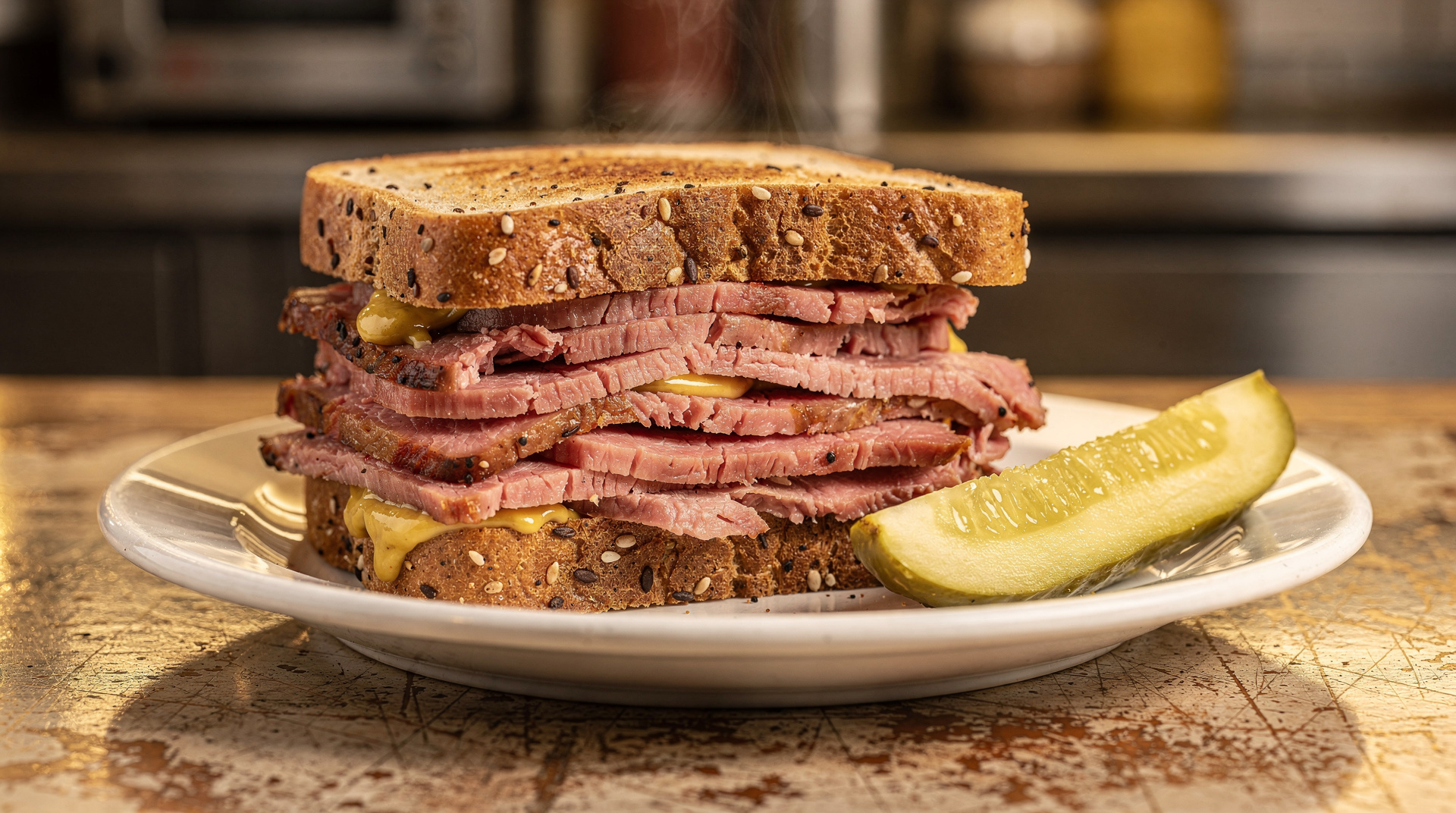
Food matters as much as the beer here. Most of the brewpubs take their kitchens seriously, and a full meal slows down the evening and makes a multi-stop day much more comfortable. If you want to build a whole food-and-drink trip around the city, pair this guide with where to eat in Montréal, the smoked meat guide and the poutine guide, all of which fit naturally around a taproom stop.
Tipping follows the usual local custom at bars and brewpubs, so read the tipping in Québec guide if you are unsure what is expected. Bring identification as a habit, and do not be surprised if a busy room asks you to wait for a table rather than seating you immediately.
Neighbourhood by neighbourhood
Mile End is the historic centre of the scene and pairs naturally with a bagel stop (see the St-Viateur vs Fairmount comparison) before or after a Dieu du Ciel! visit. Little Italy and the Jean-Talon market area cluster Vices & Versa and Harricana within a short walk of each other and of the market itself, making it the most efficient single neighbourhood for a beer-focused afternoon. Saint-Henri is quieter and more residential — McAuslan’s tours are worth timing deliberately rather than dropping in. Rosemont-Est, home to HopHouse, rewards visitors who want a genuinely local, non-touristy pub evening away from the Mile End crowds.
Beer tours from Montréal
Old Port craft brewery and beer tasting tour covers the Old Port area breweries with tastings — an efficient introduction to the Montréal craft scene in about 3 hours. 85 CAD.
Brewpub experience beer tasting walking tour visits several brewpubs and bars across neighbourhoods — a good option for understanding the geographic spread of the scene. 75 CAD.
From Québec City, the craft beer scene is also strong:
Craft brewery and beer tasting tour in Québec City covers the Saint-Roch brewery cluster and the broader Québec City craft scene. 65 CAD.
The guided formats suit travellers who would rather not navigate on their own, and they pair well with a stroll through Old Montréal and the Old Port, where the first tour above begins its exploration. A guided session also removes the question of who is driving, which is a real advantage when the tasting list is long.
Fitting beer into a longer Montréal stay
A brewery afternoon rarely needs to be the whole plan. It slots neatly into a longer visit: the 4 days in Montréal itinerary leaves room for a taproom evening, and the 5-day foodie itinerary treats beer as one thread among bagels, markets and restaurants. If you would rather dodge the crowded sights and spend your time on places locals actually like, the Montréal tourist traps and alternatives guide points the same way as this one: toward honest, neighbourhood-level experiences.
Travellers with a spare day and a car can also look at day trips from Montréal, several of which pass through regions with their own brewing and cider traditions, such as Lanaudière. Others will want to continue north-east and compare with the scene in Québec City, which has its own brewery cluster.
Buying Québec craft beer to take home
SAQ (Société des alcools du Québec): the provincial alcohol monopoly has significantly expanded its craft beer selection in recent years. Many SAQ locations now carry 40–80 Québec craft beers. Hours vary but most open until 9 PM.
Specialty bottle shops: Dépanneur Peluso (3956 rue Saint-Denis), BierMarkt, and the bottle shops at McAuslan and Harricana carry a wider selection than most SAQ locations.
At the source: most production breweries sell their beers to take away at the taproom, often at better prices than retail.
The Festival Mondial de la Bière
For visitors with flexibility on dates, the Festival Mondial de la Bière (World Beer Festival) in early June is one of the great reasons to be in Montréal in the early summer. Held in the Vieux-Port over four to five days, it features hundreds of beers from dozens of countries with a strong Québec contingent. Sessions (morning, afternoon, evening) sell out — book tickets online as soon as they go on sale (typically January or February).
Early June is also a pleasant moment to visit for reasons beyond beer, and the Québec in June guide covers what else the month offers. Because accommodation near the Old Port tends to fill up for the festival weekend, settle your dates and your room before you commit to anything else. Treat the festival as a sampler rather than a replacement for the brewpubs: it is the best way to meet many producers at once, while the taprooms are where you taste a single brewery’s range at its own pace and in its own setting.
Related reading
- Where to eat in Montréal
- Caribou, gin and Québec spirits
- Québec cider route
- Montréal nightlife guide
- Plateau-Mont-Royal guide
- St-Viateur vs Fairmount bagels
Frequently asked questions about Montréal craft beer: microbreweries and brewpubs worth your time
What makes Québec craft beer distinctive?
Québec's craft beer scene has been heavily influenced by Belgian brewing traditions — farmhouse ales, saisons, witbiers, and strong Belgian-style ales are common. The province's French culture created a greater openness to European beer styles early in the craft movement, and many Québec breweries still specialise in Belgian-inspired beers alongside hop-forward IPAs and stouts. The use of local ingredients (local hops, maple syrup, fruit, herbs) is also more common in Québec than in most of Canada.Is there a beer festival in Montréal worth planning around?
The Festival Mondial de la Bière (World Beer Festival) takes place in early June in the Vieux-Port, typically over four or five days. It is one of the oldest and most established beer festivals in North America: hundreds of beers from Québec, Canadian, and international breweries, tasting sessions, educational events, and a generally excellent atmosphere. Plan well in advance — hotel rooms near the Old Port fill up quickly for this weekend.Where can I try the most Québec craft beers in one sitting?
Vices & Versa (6631 boulevard Saint-Laurent, Little Italy) maintains one of the most comprehensive lists of Québec craft beers on tap — typically 25–35 Québec taps plus a thoughtful selection of other Canadian and international beers. It is the reference address for breadth of Québec selection. L'Amère à boire (2049 rue Saint-Denis, Quartier Latin) is the original Montréal brewpub and brews its own beers on-site.What Québec beers should I specifically try?
From Dieu du Ciel!: Péché Mortel (Imperial Stout, 9.5 % ABV, one of the most awarded craft beers in Canada), Rosée d'Hibiscus (witbier with hibiscus — a Québec summer institution), and whatever seasonal IPA is on tap. From McAuslan: St-Ambroise Oatmeal Stout and St-Ambroise Pale Ale are the classics. From Hopfenstark: the farmhouse ales are excellent. From Trois Mousquetaires: the Imperial Stout is extraordinary.Are Québec breweries generally open to the public?
Most have taprooms that serve their beers directly. Hours and policies vary — some are open daily, others Thursday–Sunday only. Calling ahead or checking websites before visiting is always worthwhile. McAuslan offers guided brewery tours by appointment. Dieu du Ciel! operates two locations (the Mile End brewpub and a larger production facility in Saint-Jérôme) and both are accessible.
Top experiences
Bookable activities with verified prices and instant confirmation on GetYourGuide.
3-Hour Whale Watching Boat Tour
- GetYourGuide
Old Quebec City: Grand Walking Tour
- GetYourGuide

Mont-Tremblant: Private Day Trip with Treetop Walk & Gondola
- GetYourGuide
Scenic Helicopter Tour 15/30/45-Minute
- GetYourGuide
Hôtel de Glace Overnight Experience
- GetYourGuide
The Original Old Montréal Walking Tour
- GetYourGuide