Mont-Sainte-Anne complete guide: ski, gondola, cycling
Canyon Sainte-Anne Park Admission
Duration: 2 hours
Is Mont-Sainte-Anne worth visiting?
Yes, especially if you are based in Québec City. It is 30 minutes from the city, has 71 ski trails, is Québec's windiest mountain (dress accordingly), and has IMBA-rated Epic mountain biking trails in summer. Less polished than Tremblant but more local, cheaper, and more convenient for Québec City visitors.
Mont-Sainte-Anne: the mountain on Québec City’s doorstep
There are many things Québec City does exceptionally well. Having a proper ski resort 30 minutes from the old town is one of them.
Mont-Sainte-Anne rises to 800 metres on the Côte-de-Beaupré, the corridor of historic farmland and dramatic cliff faces that stretches northeast from the city. It is not the biggest mountain in Québec — Mont-Tremblant claims that title — but it is the most accessible from a major city, and it has genuinely excellent terrain across all seasons.
This guide covers skiing in winter, mountain biking in summer, the scenic gondola, and how to build a full day or weekend on the mountain and surrounding Côte-de-Beaupré.
The mountain: basics
| Stat | Value |
|---|---|
| Summit elevation | 800 m |
| Vertical drop | 625 m |
| Number of trails | 71 |
| Trail breakdown | 29% beginner, 43% intermediate, 28% advanced/expert |
| Lifts | 13 (including gondola) |
| Annual snowfall | ~650 cm (natural) |
| Distance from Québec City | ~30 km, 30 min via Route 138 |
Winter skiing at Mont-Sainte-Anne
The terrain
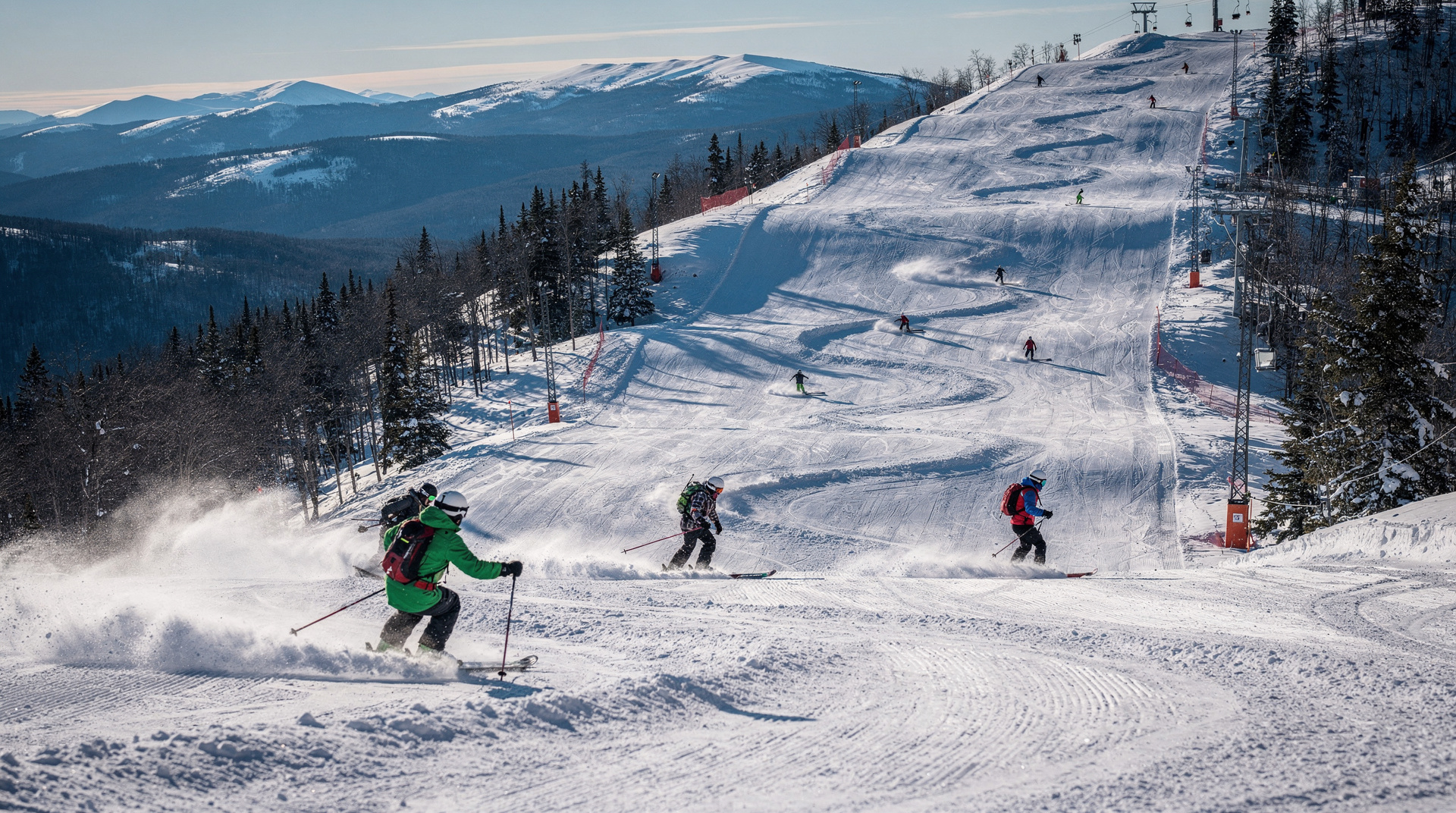
With 71 trails and 625 metres of vertical, Mont-Sainte-Anne is a proper mountain ski destination — not a hill. The breakdown includes several serious black diamonds and a double-black section (the Face Nord, the north face) that challenges expert skiers. The north face orientation and elevation mean that conditions there are often the best preserved late in the season.
The mountain is operated by the Groupe Développement Mont-Sainte-Anne and is part of the Troika package (also covering Stoneham and Mont-Saint-Castin), which means a multi-resort pass gives access to all three. If you are skiing for more than two days from Québec City, the Troika package is worth investigating.
The wind
Honest note: Mont-Sainte-Anne is windier than other Québec ski mountains. Its east-facing orientation exposes the upper mountain to the prevailing Saint-Laurent winds, which on certain days make the summit runs genuinely unpleasant. The west face is more sheltered. Dress for 10°C colder than the forecast, and check the wind reading before committing to summit lifts on a blustery day.
When the wind is manageable, the east-facing runs offer what is genuinely the best light for skiing in the province — dawn light hits these slopes first.
Night skiing
Mont-Sainte-Anne has one of the most extensive night skiing programs in Québec: 18 trails lit until 21h00 on weeknights and 22h00 on weekends. For Québec City residents this is particularly valuable, allowing an after-work ski during the week. For visitors, it extends the ski day without requiring an early start.
Lift ticket prices
Adult full-day tickets: approximately 90–130 CAD depending on date and advance purchase. This is meaningfully cheaper than Mont-Tremblant for comparable terrain. Book online in advance for the best rates; day-of purchase at the ticket window is the most expensive option.
Equipment rental: approximately 55–70 CAD per day for skis, poles, and boots. Snowboard + boots rental is similar.
Summer mountain biking: the IMBA Epic trail
Mont-Sainte-Anne’s reputation in the mountain biking world is significantly higher than its skiing reputation. The trail network has received the IMBA (International Mountain Bicycling Association) “Epic” designation — a recognition given to fewer than 50 trails globally — specifically for the combination of technical challenge, scenery, and sustained riding quality.
The bike trail network encompasses:
- 200+ km of marked trails on the mountain and in the surrounding forest
- Downhill trails served by the gondola in summer (bike transportation included in lift ticket)
- Cross-country trails connecting to the Vallée du Bras du Nord network
- Trails rated for all levels: from easy forest cruisers to black diamond technical sections
The gondola operates for mountain bikers from late June through Labour Day weekend. Downhill bike rentals are available at the base. Day-pass lift tickets for mountain bikers run approximately 55–75 CAD.
The Vallée du Bras du Nord
The Vallée du Bras du Nord, accessible from the Sainte-Anne base, is a separate trail network that extends into protected wilderness north of the mountain. It is the finest cross-country mountain biking terrain in the Québec City area, with rolling singletrack through boreal forest and along river corridors. A day ticket for the Vallée is approximately 20–30 CAD. Camping is available for multi-day riding trips.
The scenic gondola (summer visits)
The gondola at Mont-Sainte-Anne operates in summer for scenic rides — not just for mountain bikers. The 15-minute ride to the summit gives views over the Saint-Laurent to the south, the agricultural plain of the Côte-de-Beaupré, and on exceptionally clear days, the Île d’Orléans and the Charlevoix headlands.
Summer gondola hours: typically daily late June to early September, then weekends through mid-October. Tickets approximately 30–40 CAD for a return ride. No GYG-listed summer gondola package for Sainte-Anne specifically; book directly at the mountain or through the resort’s website.
Hiking at Mont-Sainte-Anne
Beyond the mountain biking infrastructure, Mont-Sainte-Anne has several hiking trails open to foot traffic in summer — particularly the Sentier des Caps de Charlevoix, a long-distance trail that starts near the mountain and traverses the clifftop corridor toward Charlevoix. The full Sentier des Caps is a 3-day commitment; day hike sections near the Sainte-Anne access point are easier and very rewarding.
Families at Mont-Sainte-Anne
The mountain runs a full ski school with dedicated beginner slopes served by their own lifts, away from faster through-traffic, and rental packages sized for children. In summer, the gondola ride itself is enough of an outing for younger kids who are not yet up for mountain biking, and the base village has enough food options for a relaxed lunch stop. Families based in Québec City often treat Mont-Sainte-Anne as a half-day add-on to a Côte-de-Beaupré itinerary rather than a full ski or bike day, which works well given the 30-minute drive.
Parents planning the wider trip will find more ideas in the Québec City with kids itinerary and the family winter activities guide. A mixed-age group can split up sensibly here: confident skiers take the longer runs while younger children stay on the beginner slopes with an instructor, and everyone meets for lunch. Keep the first outing short with small children, and let the cold decide when the day ends rather than the clock.
Nearby: Canyon Sainte-Anne
Twenty minutes northeast of the mountain, Canyon Sainte-Anne is a dramatic gorge with a 74-metre waterfall crossed by three suspension bridges — a striking contrast to the ski/bike focus of the mountain itself, and an easy pairing for a Côte-de-Beaupré day.
Canyon Sainte-Anne entry and suspension bridgesMont-Sainte-Anne vs Mont-Tremblant: the honest comparison
| Factor | Mont-Sainte-Anne | Mont-Tremblant |
|---|---|---|
| Trails | 71 | 102 |
| Vertical | 625m | 645m |
| Distance from nearest city | 30 min (Québec City) | 1h30 (Montréal) |
| Lift ticket price | ~90–130 CAD | ~120–160 CAD |
| Village | Functional (not pedestrian) | Pedestrian resort village |
| Wind | More exposed | Less exposed |
| Summer biking | IMBA Epic network | Good but less celebrated |
| Night skiing | Extensive | Limited |
| Atmosphere | Local, less touristy | More international tourist crowd |
See our detailed Mont-Tremblant vs Mont-Sainte-Anne comparison for a deeper analysis if you are deciding between the two.
Surrounding Côte-de-Beaupré: making a full day
The mountain sits within the Côte-de-Beaupré, one of the richest day-activity areas in Québec:
- Montmorency Falls: 15 minutes west, higher than Niagara — Montmorency guide
- Sainte-Anne-de-Beaupré basilica: one of North America’s most visited religious sites, 3 km from the mountain base
- Île d’Orléans: 20 minutes west, e-bike tours and food trails — Île d’Orléans guide
- Canyon Sainte-Anne: 20 minutes northeast, gorge and suspension bridge (and winter ice climbing)
A summer day combining the Mont-Sainte-Anne gondola in the morning, lunch in the village, a visit to Montmorency Falls in the afternoon, and dinner in Québec City is a genuinely satisfying day with very little driving. If you would rather have the logistics handled, a combined tour covers both Montmorency Falls and the Côte-de-Beaupré in one trip:
Private Montmorency Falls and Sainte-Anne region day tourChoosing your season
Mont-Sainte-Anne works in every season, but the experience changes a great deal from one to the next, so it helps to decide what you want before you pick dates. Winter is about skiing, night sessions and cold, bright days. Summer is about the gondola, the bike trails and long evenings in Québec City. Autumn is quieter, with colour on the slopes and fewer people on the trails.
If you are still weighing the calendar, the best time to visit Québec guide puts the seasons side by side, and the month-by-month weather guide helps you judge how cold or warm a given week is likely to feel. For a winter trip, Québec in February shows how a ski day fits around the city’s winter events. For a first autumn visit, Québec in September and Québec in October cover the colour season, and the seven-day fall foliage itinerary shows where a day on the mountain can slot in.
Planning a ski day from Québec City
The easiest way to enjoy the mountain is to treat it as a day out from the city rather than a destination you move into. Sleep in Québec City, drive out in the morning, ski, and be back in town for dinner. That is a big part of why the mountain suits visitors who only have a few days in the region.
A few habits make the day smoother:
- Arrive early. The parking area and the rental counter are quieter before the first lifts fill up, and you get the first runs on fresh grooming.
- Rent before you ski, not on the slope. Sort boots first, since they decide how comfortable the rest of the day will be.
- Plan the wind. Start on the sheltered side if the forecast is rough, and move to the exposed runs once you know how the day is behaving.
- Keep an evening option. Night skiing lets you split the day, with a long lunch or a rest in the middle, then a second session under the lights.
If you do not have a car, read the Québec City airport guide and the guide to renting a car in Québec before you commit to the plan. Drivers coming from Europe will also want the driving in Québec from Europe notes, particularly for winter roads. Winter conditions can change quickly on the highway, so it is worth reading the Québec safety tips before you set out.
Other ways to use the mountain in winter
Not everyone who visits in winter wants to go downhill. The surrounding area offers several quieter alternatives, and the mountain makes a good base for a mixed group in which some people ski and others prefer something gentler.
- Cross-country and snowshoe days. The forest around the mountain suits slower, quieter outings. The cross-country skiing guide and the snowshoeing guide explain how to choose a route and what to wear.
- Ice climbing. The gorges of the Côte-de-Beaupré freeze into vertical terrain, and the ice climbing guide is the place to start if you want to try it with a guide.
- Snowmobile outings. Groups who want a motorised day can look at the snowmobile tours guide.
- Comparing resorts. If the terrain here is not quite what you are after, the downhill ski resorts overview sets Mont-Sainte-Anne next to the other mountains in the province, and the seven-day winter itinerary shows how a ski day can sit inside a longer trip.
Adventure in the warm months
Summer visitors who like a little adrenaline have plenty of choice beyond the bike trails. The region is well suited to rope courses, suspended bridges and cliff routes, and the mountain is a convenient starting point for several of them.
The via ferrata guide and the zip-lining guide cover the main options in the province and help you pick an activity that matches your comfort with heights. For walking rather than climbing, the best hikes in Québec and the Jacques-Cartier National Park hiking guide offer longer routes within reach of the city. Pair a morning on the trails with an afternoon at the gorge and you have a full outdoor day without much driving.
Eating and resting after the mountain
The base village is practical rather than charming, so most visitors plan their best meal for the evening back in town. The where to eat in Québec City guide is a good starting point, and the poutine guide is useful if you want something warm and filling straight after a cold day on the slopes. A dinner in the old town makes a pleasant contrast with a day spent in ski boots, and it is easy to reach from the highway on the way home.
If your legs are tired after a long day, the Nordic spas guide describes the kind of hot-and-cold circuit that many skiers like to finish with.
Budgeting the trip
The mountain is cheaper than the larger resorts, but a day still adds up once tickets, rental, parking, food and transport are counted together. Use the Québec budget guide to estimate the whole trip rather than just the lift ticket, and read the tipping guide so you know what to expect in restaurants and with instructors. Adventure sports carry some risk, so check the travel insurance guide before you go and confirm that your policy covers winter sports and cycling.
Building a longer stay
A day on the mountain fits neatly into a longer stay in the capital. The three days in Québec City itinerary leaves room to swap one day for the mountain, and the guide to day trips from Québec City lists other outings that combine well with it. If you want to see the island orchards and farm stands on the same trip, the Île d’Orléans day trip is an easy companion. For the pilgrimage side of the coast, the Sainte-Anne-de-Beaupré heritage guide explains the basilica and its history in more depth.
Practical information
| Detail | Info |
|---|---|
| Ski season | Late November to mid-April |
| Summer gondola/biking | Late June to early October |
| Distance from Québec City | 30 km, ~30 min via Route 138 East |
| Parking | Ample on-site (fee in peak season) |
| Ski ticket price | 90–130 CAD/day adult |
| Rental | ~55–70 CAD/day |
| Mountain biking day pass | ~55–75 CAD |
| Night skiing | Until 21h00–22h00 on most evenings |
Related guides
- Québec City guide
- Day trips from Québec City
- Downhill ski resorts in Québec
- Mont-Sainte-Anne vs Stoneham comparison
- Côte-de-Beaupré guide
- Montmorency Falls guide
Frequently asked questions about Mont-Sainte-Anne complete guide: ski, gondola, cycling
How does Mont-Sainte-Anne compare to Mont-Tremblant for skiing?
Both are excellent ski mountains for Eastern Canada. Tremblant is larger (102 trails vs 71), has a more developed pedestrian village, and is further from any major city. Mont-Sainte-Anne is closer to Québec City (30 min vs Tremblant's 1h30 from Montréal), tends to be windier (the east face is exposed), and has a more local, less touristy atmosphere. Tremblant wins on village experience; Sainte-Anne wins on convenience from Québec City.What is the Mont-Sainte-Anne mountain biking like?
Exceptional. Mont-Sainte-Anne holds the IMBA 'Epic' designation — one of only a handful of trails in Canada to receive this recognition. The trail network has over 200 km of cross-country and downhill tracks. The Vallée du Bras du Nord, accessible from the mountain, is one of the best cross-country networks in Québec. In summer, the gondola serves downhill mountain bikers.Can you visit Mont-Sainte-Anne in summer without skiing or biking?
Yes. The summer gondola operates from late June to early September, giving a scenic ride to the 800m summit. The mountain also has hiking trails, a via ferrata at the nearby Cap Tourmente (not to be confused with the Charlevoix via ferrata), and the surrounding Côte-de-Beaupré is one of the most scenically rich areas in Québec — Montmorency Falls, Île d'Orléans, and Sainte-Anne-de-Beaupré basilica are all within 30 minutes.How much does a ski day at Mont-Sainte-Anne cost?
Adult lift tickets typically run 90–130 CAD depending on the day and how far in advance you book. This is 20–30% cheaper than Mont-Tremblant at comparable times. Equipment rental adds approximately 55–70 CAD for a full set. Multi-day packages offer meaningful savings.Is Mont-Sainte-Anne windy?
Yes, notably so. The mountain faces east, into the prevailing Saint-Laurent River winds. The summit and exposed upper trails can be dramatically colder and windier than the base on certain days. Check the wind forecast before heading up. On calm days the exposed runs are fantastic; on a 60km/h wind day, stick to the sheltered runs on the west face.
Top experiences
Bookable activities with verified prices and instant confirmation on GetYourGuide.
3-Hour Whale Watching Boat Tour
- GetYourGuide
Old Quebec City: Grand Walking Tour
- GetYourGuide
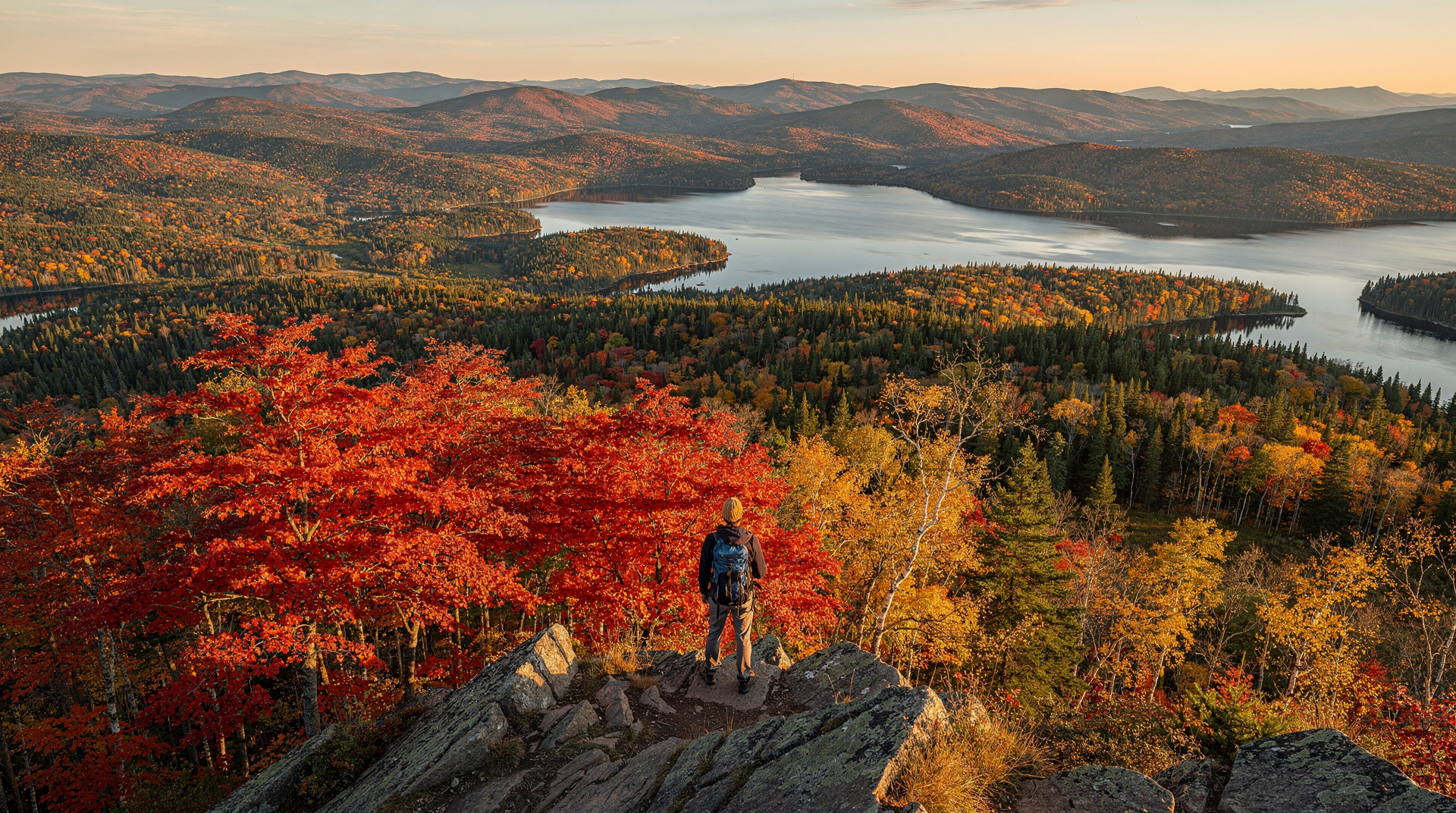
Mont-Tremblant: Private Day Trip with Treetop Walk & Gondola
- GetYourGuide
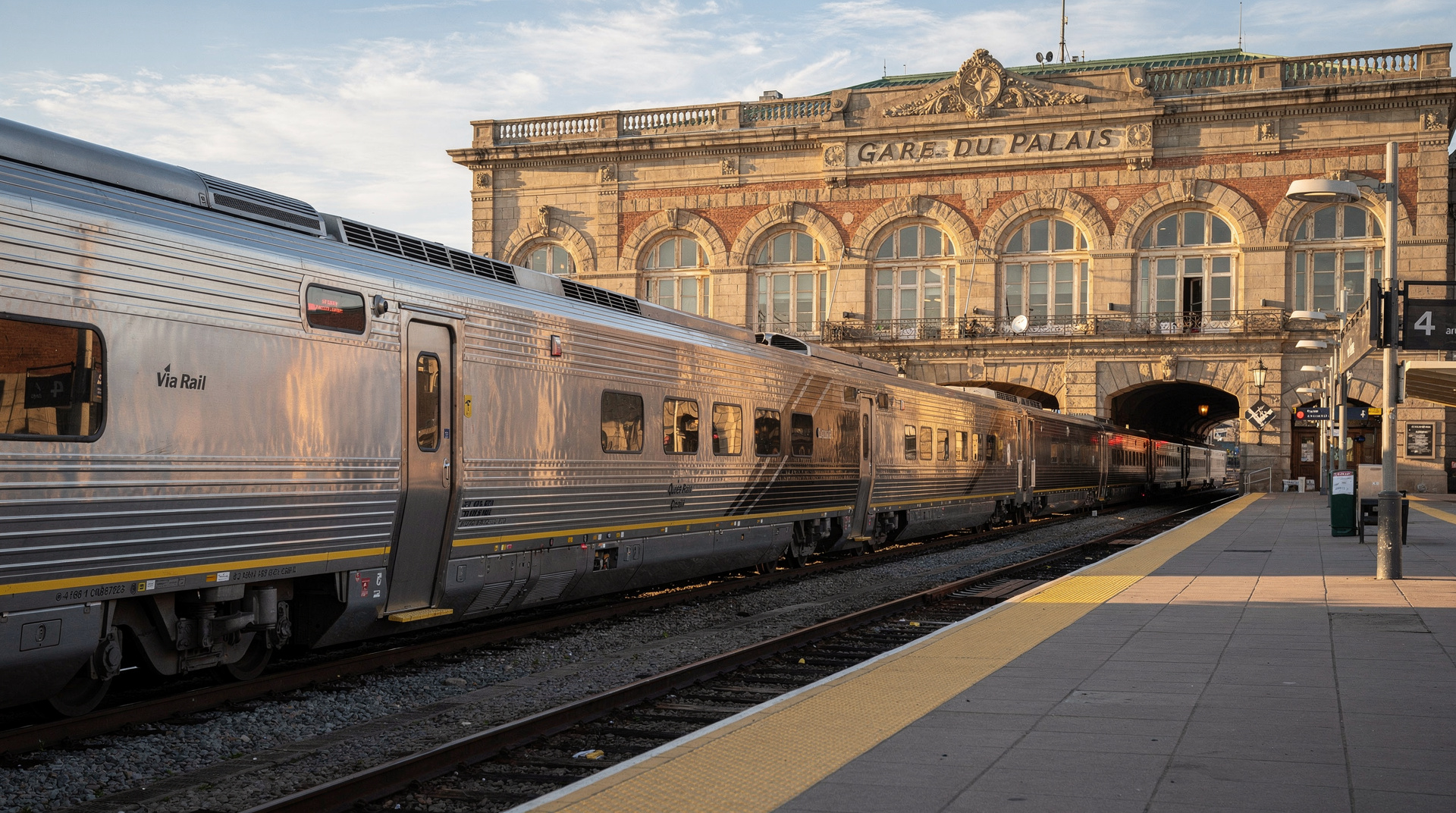
Scenic Helicopter Tour 15/30/45-Minute
- GetYourGuide
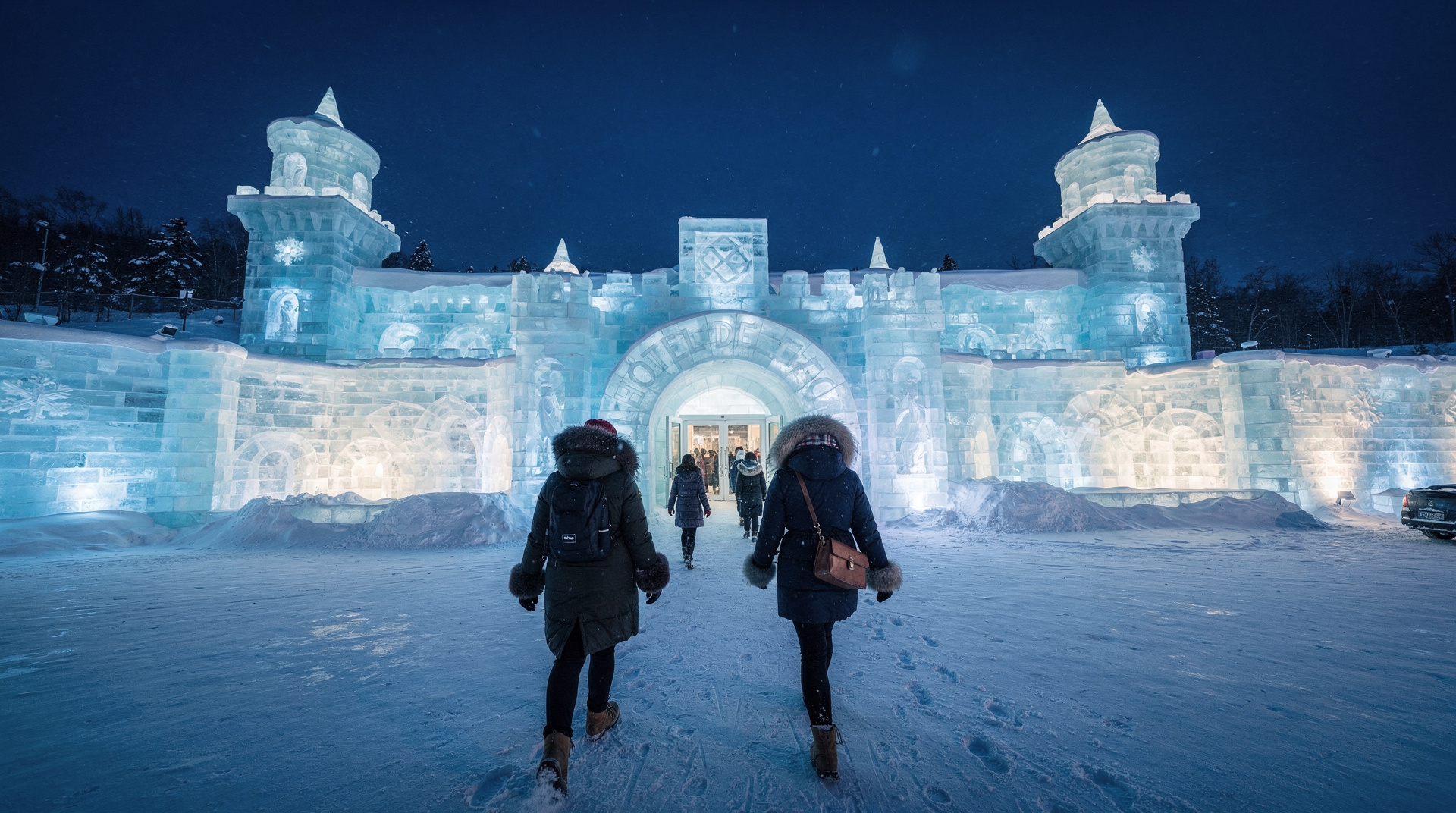
Hôtel de Glace Overnight Experience
- GetYourGuide
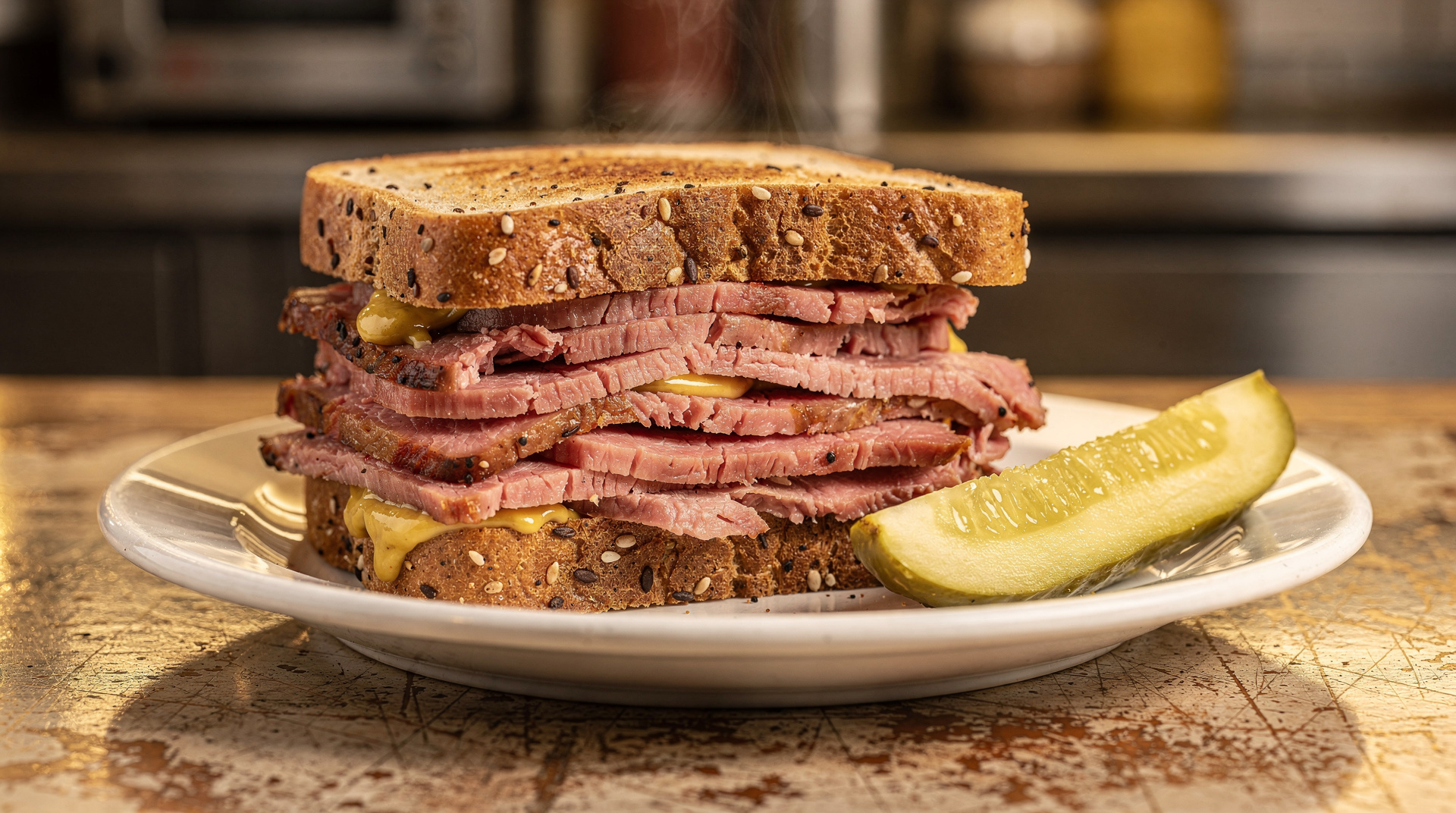
The Original Old Montréal Walking Tour
- GetYourGuide