Québec vs Toronto: which Canadian city for your trip?
The Original Old Montréal Walking Tour
Duration: 2 hours
Should I visit Québec (province/cities) or Toronto for a Canada trip?
They serve different travel needs. Toronto is English-speaking, multicultural, and home to the CN Tower, Niagara Falls (2h away), and diverse neighbourhoods. Québec feels like Europe in North America — French-speaking, historically rich, with Old Québec, whale watching, and distinct cuisine. They are 6+ hours apart by road or a 1h15 flight. Choose one and do it well.
Canada’s two most visited destinations — not interchangeable
Toronto and Québec (the province, its two major cities) are the most visited destinations in Canada for international travellers. They look similar on a map — both in the eastern half of the country, separated by 540–780 km — but they deliver completely different travel experiences.
Toronto is anglophone, multicultural, cosmopolitan, and connected. Québec is francophone, historically European in character, and tied to a cuisine, language, and culture found nowhere else in North America. Many travellers to Canada want both. This guide helps you decide how to allocate your time.
| Toronto in one line | Cosmopolitan, English-speaking, Niagara Falls day trip |
| Québec in one line | French-speaking, European atmosphere, whale watching & wilderness |
| Distance apart | 540km (Montréal) / 780km (Québec City) |
| Best link | Via Rail Toronto–Montréal–Québec City corridor |
| Combined trip length | 9–10 days for all three cities |
Toronto: what you actually get
The city
Toronto is Canada’s largest city at 2.9 million people (6+ million in the greater metro). It is English-speaking, immigrant-majority, and home to what UNESCO has called the most culturally diverse city in the world. Neighbourhoods retain distinct identities: Kensington Market is bohemian and international, Little Portugal and Little Italy have genuine immigrant depth, Yorkville is luxury retail, Distillery District is Victorian industrial converted to galleries and restaurants, and Cabbagetown is Victorian residential.
The CN Tower at 553 metres is the definitive Toronto landmark and worth doing at least once — the glass floor and EdgeWalk (walking on a ledge outside the tower, harnessed) are genuinely memorable. The Toronto Islands — a chain of small islands a 15-minute ferry from downtown — give the city an unexpected natural escape in summer.
Sports culture
Toronto has a unique claim in North American sports: the Toronto Raptors (NBA, 2019 champions), Toronto Maple Leafs (NHL, the most storied franchise in hockey with a tortured fanbase), and Toronto Blue Jays (MLB). Attending a game in Toronto is one of the quintessential Toronto experiences. The Scotiabank Arena for hockey and basketball, and Rogers Centre for baseball, are both in downtown.
Niagara Falls from Toronto
Niagara Falls is 130 km from Toronto — a 2-hour drive or 2.5-hour coach ride (Megabus, coach services). The Canadian side of Niagara Falls is dramatically superior to the US side: the Horseshoe Falls are 57 metres high and 670 metres wide, and the viewpoint is metres from the edge of the falls. A day trip from Toronto is practical and the falls are worth seeing. From Montréal, the drive is 7+ hours round trip — not practical as a day trip. See our tourist trap note about Niagara day trips from Montréal specifically.
Food
Toronto’s food scene is defined by its diversity. Sri Lankan food in Scarborough, Portuguese chicken on Dundas West, dim sum in the Broadview area, Ethiopian in Little Ethiopia, Korean BBQ on Bloor Street West — Toronto’s immigrant communities have created one of the most globally representative restaurant scenes in the world. The high-end restaurant scene (Alo, Canoe, Buca) is strong. The craft beer scene is growing.
Québec: what you actually get
The language and cultural difference
The most immediate thing visitors notice in Québec is that they have left English Canada. In Montréal, staff will speak to you in French first, switching easily to English. In Québec City, especially outside tourist zones, French is dominant and English less common. This is not a problem — the Québécois are proud of their language and genuinely hospitable to visitors making any effort in French — but it creates a different atmosphere from any anglophone Canadian city.
This cultural difference is, for most visitors, a reason to visit rather than an obstacle. Québec is the part of Canada that feels most like Europe and the part of North America where food culture, architecture, and street life are most distinct from the US.
Old Québec and history
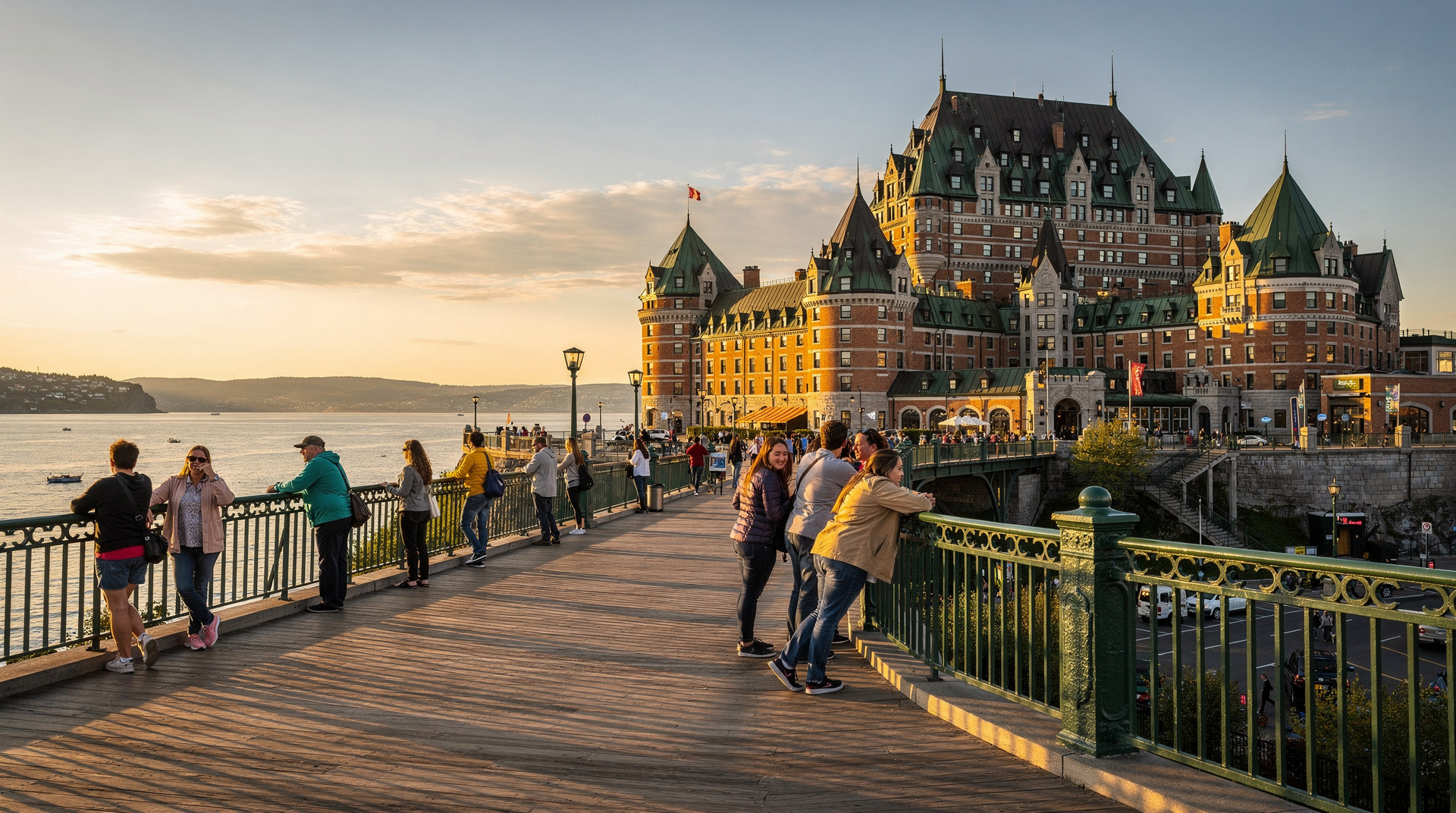
Old Québec (Vieux-Québec) is a UNESCO World Heritage Site — the only walled city in North America north of Mexico. The fortification walls, the Château Frontenac, the Plaines d’Abraham, and Petit-Champlain’s stone alleyways collectively create a European feeling that Toronto’s mostly mid-century and modern architecture does not provide. Québec City was founded in 1608. You can feel that in the streets.
Old Quebec City: Grand Walking TourMontréal’s energy
Montréal sits between Toronto and Québec City in character — French-dominant but cosmopolitan, with a massive bilingual population and a festival culture that surpasses both. The Jazz Festival in early July is the world’s largest. The food scene is one of North America’s best. The nightlife — fuelled by 3 am closing times and a culture of staying out — matches or exceeds Toronto’s.
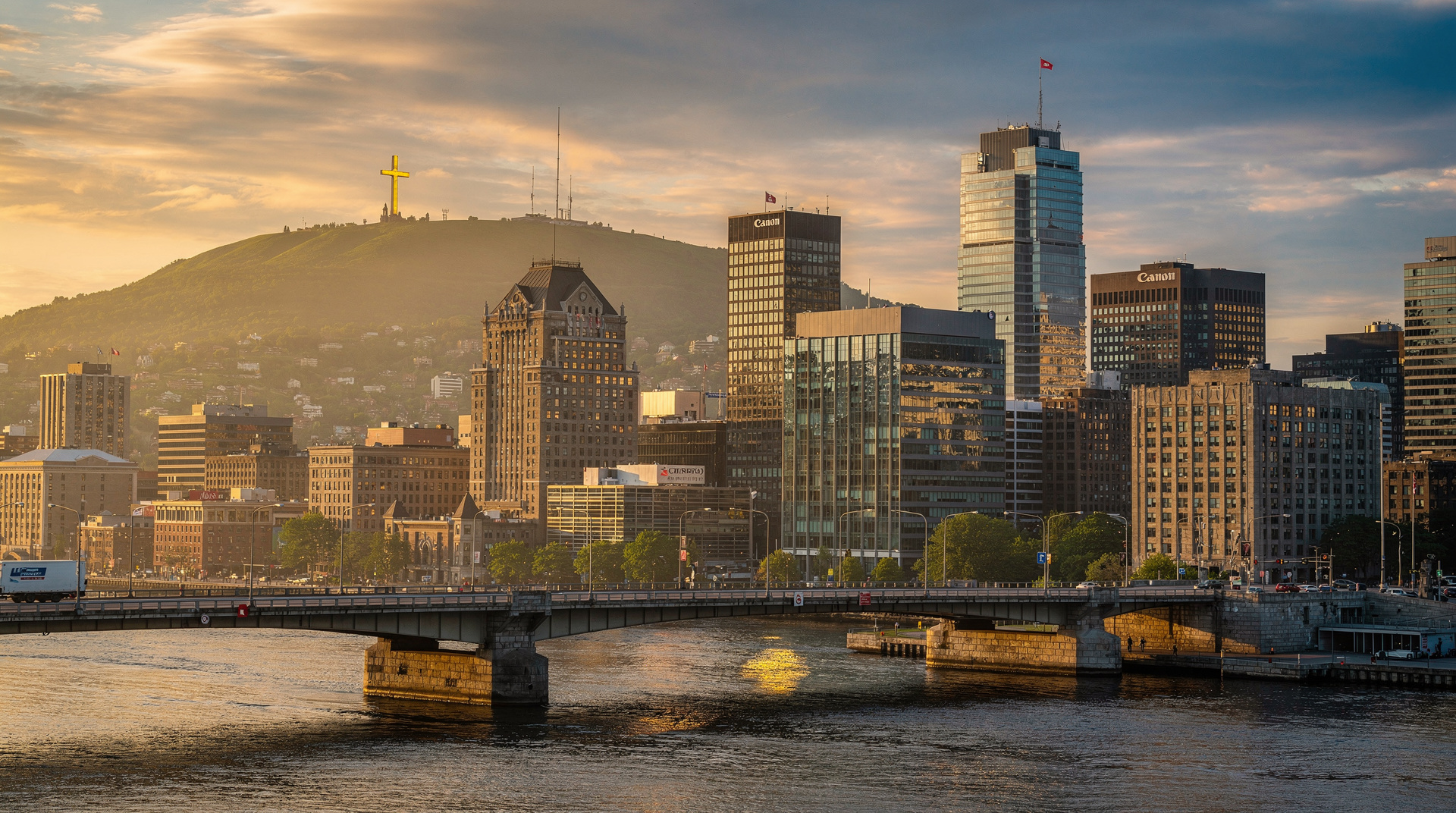
The Original Old Montréal Walking TourNature within reach
This is Québec’s strongest card against Toronto. Within 1.5 hours of Montréal: Mont-Tremblant (skiing, hiking, rafting). Within 3 hours of Québec City: Tadoussac and whale watching, Charlevoix’s dramatic cliffs, Île d’Orléans’s farms and orchards. Toronto’s most accessible natural area is Algonquin Provincial Park (3 hours north) — beautiful, but not in the same league as a 3-hour drive to beluga whales.
Best of Montreal Food Walking TourThe decision framework
| If you want… | Go to |
|---|---|
| A purely English-speaking city | Toronto |
| European atmosphere in North America | Québec City |
| Cosmopolitan food diversity (global) | Toronto |
| Distinct Québécois/French food culture | Montréal or Québec City |
| Niagara Falls as a day trip | Toronto |
| Whale watching, wilderness access | Québec province |
| Sports culture (NHL, NBA, MLB) | Toronto |
| UNESCO walled city | Québec City |
| Best festivals per capita | Montréal |
| Winter Carnaval | Québec City |
| Skiing within 1.5 hours | Montréal (Tremblant) |
| “I’ve never been to Canada” | Either — but Québec is more distinctive |
The combined trip
The Toronto → Montréal → Québec City corridor by Via Rail is one of the best city-hopping train routes in the world. Toronto to Montréal takes 5 hours (frequency varies — check schedules, as the corridor is popular). Montréal to Québec City takes 3 hours. The entire corridor can be done without a car and gives you three completely different cities in one trip.
Suggested 10-day itinerary:
- Days 1–3: Toronto (CN Tower, Distillery District, day trip to Niagara Falls)
- Day 4: Via Rail Toronto → Montréal (5 hours, arrive for dinner)
- Days 4–6: Montréal (Old Montréal, Plateau, food scene, festival if in season)
- Day 7: Via Rail Montréal → Québec City (3 hours, arrive for lunch)
- Days 7–10: Québec City (Old Québec, Montmorency Falls, Île d’Orléans day trip)
For a full planning breakdown, see our 5-day Montréal and Québec City itinerary and best time to visit Québec. If you’re moving between Montréal and Québec City specifically without adding Toronto, our Via Rail guide covers the 3-hour train link in detail, and the Québec budget guide helps you plan costs across whichever cities you choose.
Choosing Québec City vs Montréal if Toronto is off the table
If Toronto isn’t part of the plan and the choice is between Québec’s own two major cities, they play different roles. Old Québec delivers the walled-city, European-feeling experience in a compact, walkable core — better suited to a shorter 2-3 day stay. Montréal is larger, more cosmopolitan within Québec itself, with a stronger festival and nightlife scene and better international flight connections. Many visitors do both, connected by the 3-hour train, rather than choosing one over the other. See our Montréal vs Québec City guide for a dedicated breakdown of that specific choice.
Frequently asked questions about Québec vs Toronto: which Canadian city for your trip?
How far is Toronto from Québec City or Montréal?
Montréal to Toronto is 540 km, about 5.5–6 hours by car or 5 hours by Via Rail train. Québec City to Toronto is 780 km, 8+ hours by car. A direct flight from Montréal (YUL) to Toronto (YYZ) takes about 1 hour 15 minutes. The cities are in different provinces and doing both well requires at least 7–10 days total.Is Toronto or Montréal the better Canadian city for food?
Montréal has the edge on cultural distinctiveness — smoked meat, poutine, bagels, a Québécois cuisine scene, and arguably more creative fine dining per capita. Toronto has breadth and global diversity: every world cuisine is represented at a serious level, from dim sum in Scarborough to Sri Lankan food in Scarborough and Korean BBQ in Koreatown. It depends whether you want depth of one culture or breadth of many.Is Niagara Falls worth visiting from Toronto or Montréal?
From Toronto: yes, easily. The falls are 2 hours by car or 2.5 hours by coach. A day trip is practical and Niagara Falls is genuinely spectacular (Canadian side is much better than the US side). From Montréal: the drive is 7+ hours round trip. This makes a day trip from Montréal exhausting — you spend 12+ hours travelling for 2 hours at the falls. If Niagara Falls is a priority, base yourself in Toronto or plan an overnight stay.What is special about Toronto?
Toronto is Canada's largest and most cosmopolitan city (6+ million in the metro). Key draws: CN Tower and EdgeWalk, Kensington Market, Distillery District, Yorkville luxury shopping, the Toronto Islands, sports culture (Raptors NBA, Maple Leafs NHL, Blue Jays MLB), and the ROM (Royal Ontario Museum). It has a thriving arts scene, world-class restaurant diversity, and good connection to Niagara Falls.What is special about Québec that Toronto does not have?
Québec's unique appeal: the French language and culture create a genuinely different atmosphere from any English-speaking city. Old Québec is a UNESCO-listed walled city with 400 years of history. Whale watching in Tadoussac is within reach. The Laurentides and Charlevoix offer wilderness within 1.5 hours. The food culture (sugar shacks, cipaille, tourtière, local craft beer) is rooted in a specific place. Carnaval de Québec in winter is unlike any North American event.Can I combine Toronto and Québec on one trip?
Yes, but plan carefully. The most logical approach: fly into Toronto (YYZ), spend 3 nights, take the Via Rail train to Montréal (5 hours), spend 2–3 nights, take the train to Québec City (3 hours), spend 2–3 nights. Total: 9–10 days. You see Toronto, Montréal, and Québec City without doubling back. This corridor is one of North America's best train routes.Which city is better for a first-time visitor with only 4-5 days?
Pick one region rather than splitting a short trip across both. Toronto alone suits visitors who want an easy English-speaking, walkable city with Niagara Falls as a day trip. Québec City plus Montréal (reachable by a 3-hour train) suits visitors who want the distinctive French-Canadian experience — Old Québec's walls, Montmorency Falls, and Montréal's food and festival scene — without the extra travel time to reach Toronto.Is Québec City or Toronto better for a winter trip?
Québec City, decisively, if winter itself is part of the appeal. Carnaval de Québec (late January–February), the Hôtel de Glace, dog sledding, and a genuinely snowy, festive Old Town make winter a feature rather than an obstacle. Toronto's winter is colder-feeling in an urban, less scenic way, with fewer winter-specific attractions built around the season. If snow sports and winter atmosphere matter, Québec wins.
Top experiences
Bookable activities with verified prices and instant confirmation on GetYourGuide.