Québec 5 days foodie
Best of Montreal Food Walking Tour
Duration: 3 hours
Why Québec is a serious culinary destination
The food culture of Québec is grounded in two traditions that rarely appear together at this quality level: the terroir-driven French culinary inheritance (direct from Normandy and Brittany via 17th-century settlers), and an exceptional natural larder — wild blueberries, maple, fiddlehead ferns, heritage grains, Quebec lamb, Charlevoix veal, and the seafood corridor of the Saint-Laurent.
The result is a restaurant scene that genuinely competes with major European cities. Montréal has more restaurants per capita than New York. Québec City’s Saint-Roch neighbourhood produces world-class cooking. Charlevoix and Île d’Orléans have become destinations in themselves for culinary tourism. And the Eastern Townships wine country, barely known outside Québec, turns out surprisingly accomplished cold-climate wines.
This 5-day luxury-budget itinerary is built around eating well, drinking well, and understanding where Québec’s food comes from.
| Where | Montréal, Eastern Townships wine route, Île d’Orléans, Québec City |
| Cost | around 2 500-4 030 CAD/person (luxury); 1 500-2 200 CAD mid-range |
| Time needed | 5 days |
| Getting there | Fly into YUL, out of YQB (or reverse) |
| Booking | Fine-dining tables (Toqué!, Tanière³) need months of lead time for weekends |
Day 1: Montréal — the capital of Québec food culture
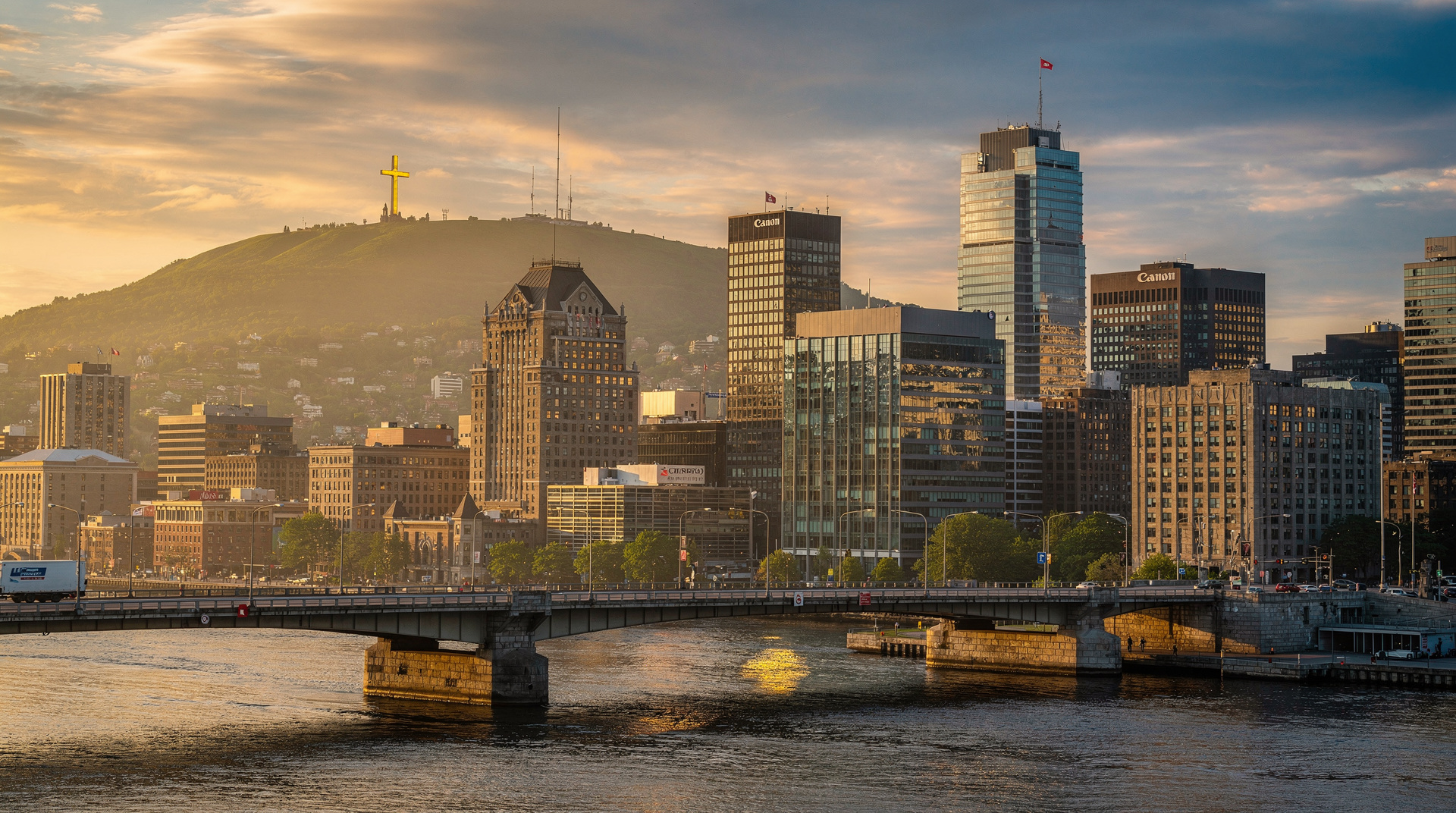
Arrive and settle in. Check into a hotel in the Plateau or Old Montréal — for culinary tourism, the William Gray hotel in Old Montréal or the Hotel Monville in downtown are both excellent, well-positioned mid-to-luxury options.
Afternoon — the best of Montréal food walking tour. The Best of Montréal food walking tour is a 3-hour deep dive into the city’s culinary culture: smoked meat, Montréal-style bagels, local cheeses (including Quebec cheddars aged in Warwick and the legendary Oka), maple products, and craft cider. The tour is structured as a meal — by the end you will be full.
Evening — fine dining. Montréal’s restaurant scene is at its finest in the fall-winter-spring months when the chefs can focus on cooking rather than managing tourist volume. Toqué! (the city’s flagship fine dining institution), Joe Beef (the legendary kitchen that put Montréal on the world food map), and Maison Boulud at the Ritz-Carlton are the most consistently excellent options. Book well ahead — these are months-in-advance reservations for weekend tables. Budget 180-250 CAD per person with wine.
Day 2: Montréal food markets and Mile End
Morning — the bagel tour. The Montréal Bagel Tour is genuinely educational for food-focused travellers. The comparison between Saint-Viateur and Fairmount — the two historic rivals who have produced the city’s defining product since the 1920s — reveals how tiny differences in formula and technique create meaningfully different products. The tour extends into smoked meat and other Montréal Jewish deli traditions.
Midday — Jean-Talon Market. The Marché Jean-Talon in the Little Italy neighbourhood is Québec’s food market of record. In summer, the produce is overwhelmingly local (Quebec strawberries in June, corn and tomatoes in August, apple varieties in September). The permanent vendors include the best cheese counter in the city (the Fromagerie du Marché Atwater), excellent butchers, and spice merchants.
Afternoon — rest and preparation. Tomorrow is a driving day through the Eastern Townships. Use this afternoon to rest, explore the Plateau or Old Montréal at leisure, and have an early dinner at a neighbourhood restaurant — La Prunelle in the Plateau, Damas in the Mile End, or Osteria Venti for Italian.
Day 3: Eastern Townships wine route
Morning drive — Montréal to Cantons-de-l’Est. The Eastern Townships (Cantons-de-l’Est in French) begin about 80 km southeast of Montréal, accessible via Autoroute 10 east. The drive passes through rolling hills that increasingly resemble the Vermont and New England countryside just across the border — not surprising, since both regions share the same geology and climate.
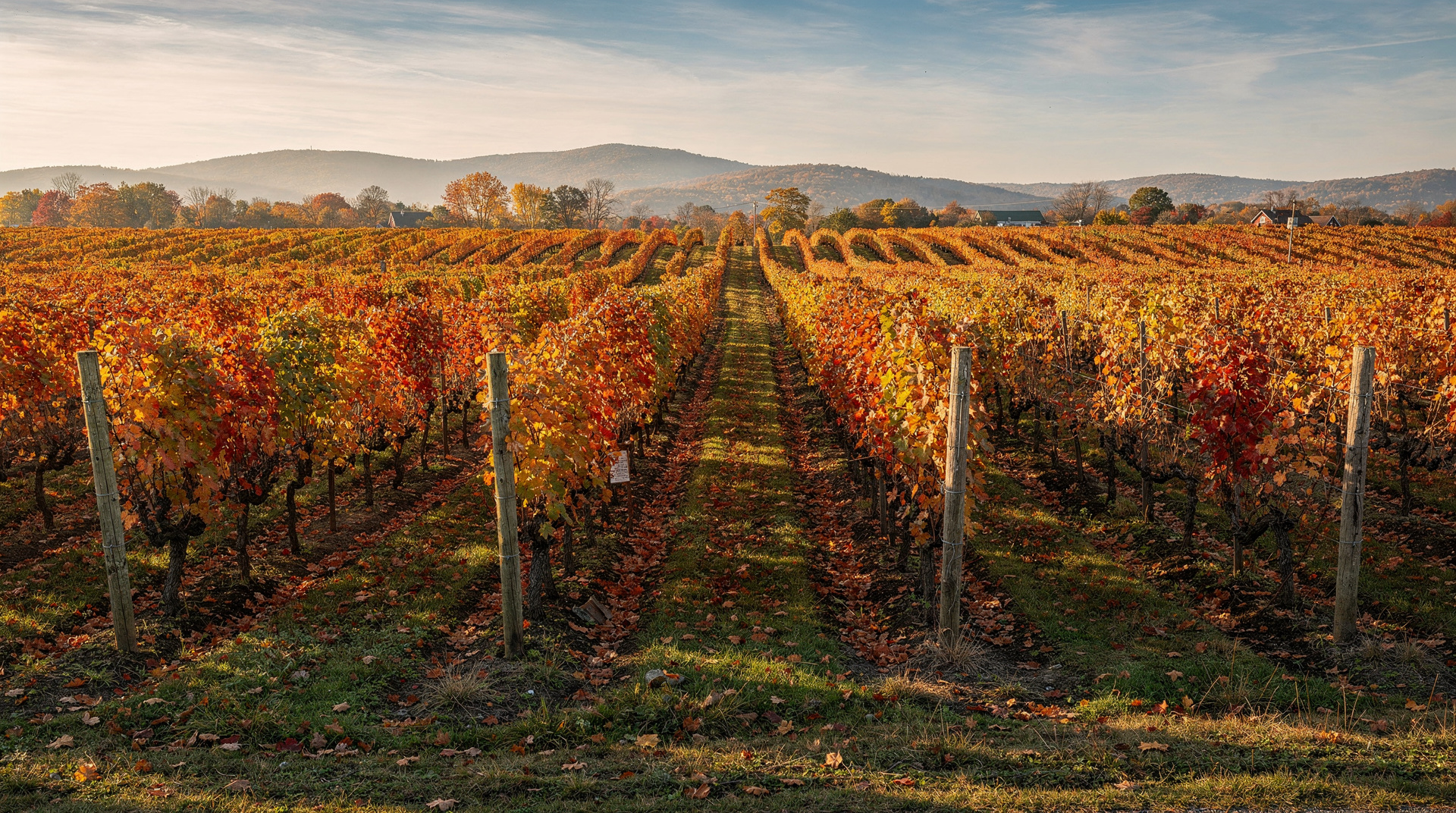
Late morning — Orford wine route. The Brome-Missisquoi appellation is Québec’s most established wine region, centred around Dunham and the Route des Vins (Wine Route). There are 22 vineyards along the Route 202. Vignoble de l’Orpailleur (one of the oldest, producing sparkling and late-harvest wines) and Vignoble Domaine des Côtes d’Ardoise are the most acclaimed stops. Allow 3-4 hours for two or three tastings. Entrance fees for tastings: 10-20 CAD per person.
Lunch — Dunham or Frelighsburg. The village of Frelighsburg is among the most beautiful in Québec — a colonial-era settlement with a river-powered mill and excellent artisan producers. La Table des Roy in Dunham is the best restaurant in the region (lunch 50-80 CAD). Or pick up a local cheese board from one of the fromageries along the route and eat at a winery terrace.
Afternoon — Magog and Lac Memphrémagog. The lake town of Magog is the region’s main town. The waterfront terrace along Lac Memphrémagog (a 50-km lake straddling the US border) is pleasant for a late afternoon walk. Check into your hotel — Auberge Orford or the Manoir des Sables are the best mid-to-luxury options in the region (130-250 CAD/night).
Evening. The Eastern Townships have a growing number of excellent restaurants informed by the local produce and wine. Chez Henri in Sutton and Le Rustique in Lac-Brome both offer menus built around regional ingredients.
Day 4: Eastern Townships to Île d’Orléans
Morning — final wine or cider stop. The Townships cider tradition is particularly strong — the apple orchards of the Montérégie and Eastern Townships produce remarkable craft ciders under the Terroir et Saveurs classification. Pick up a case before leaving.
Drive to Île d’Orléans. Via Autoroute 20 east (Québec City direction), the drive from Magog to Île d’Orléans is 2h30. The bridge to the island is 15 minutes beyond Québec City.
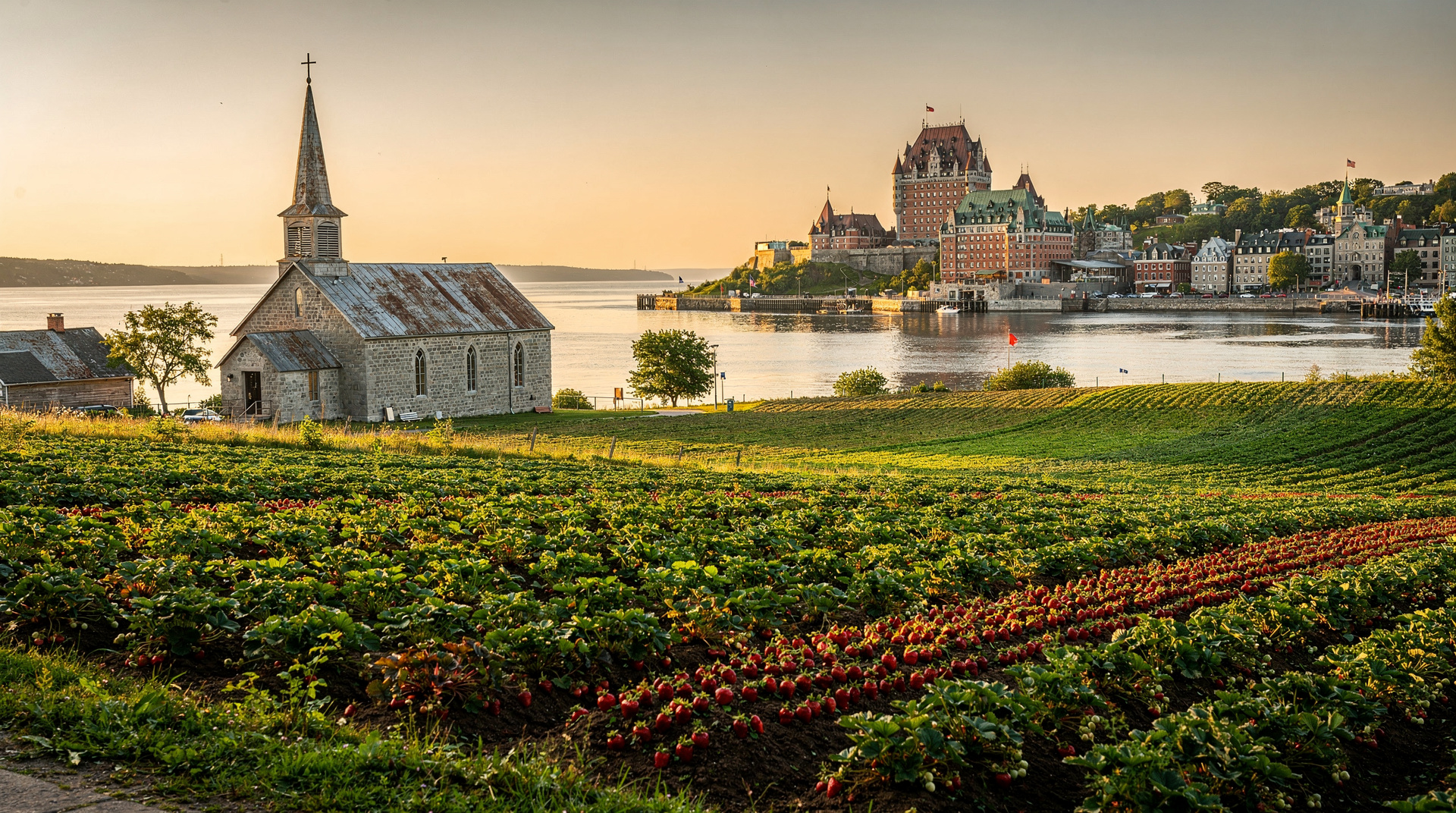
Afternoon — wine tour and producers. The Island of Orléans wine tour visits the island’s vineyards and artisan producers in 3 hours, with tastings of ice wine, heritage cider, and the island’s exceptional cassis (blackcurrant liqueur) at Cassis Monna et Filles — a world-class producer whose liqueur appears on menus in Paris and Tokyo.
The island’s market producers include Ferme Monna (heritage pork and maple), Chocolaterie de l’Île (handmade chocolates), and multiple orchard stands depending on the season.
Evening — the Île d’Orléans guided e-bike tour with tastings . The e-bike circuit of the island (4-6 hours) is the most efficient way to see the producers in sequence. For foodie travellers, the combination of the wine tour in the afternoon and the e-bike tour in the evening covers all the island’s highlights in one day.
Overnight on the island (Manoir Mauvide-Genest B&B) or in Québec City (15 minutes by car).
Day 5: Québec City culinary finale
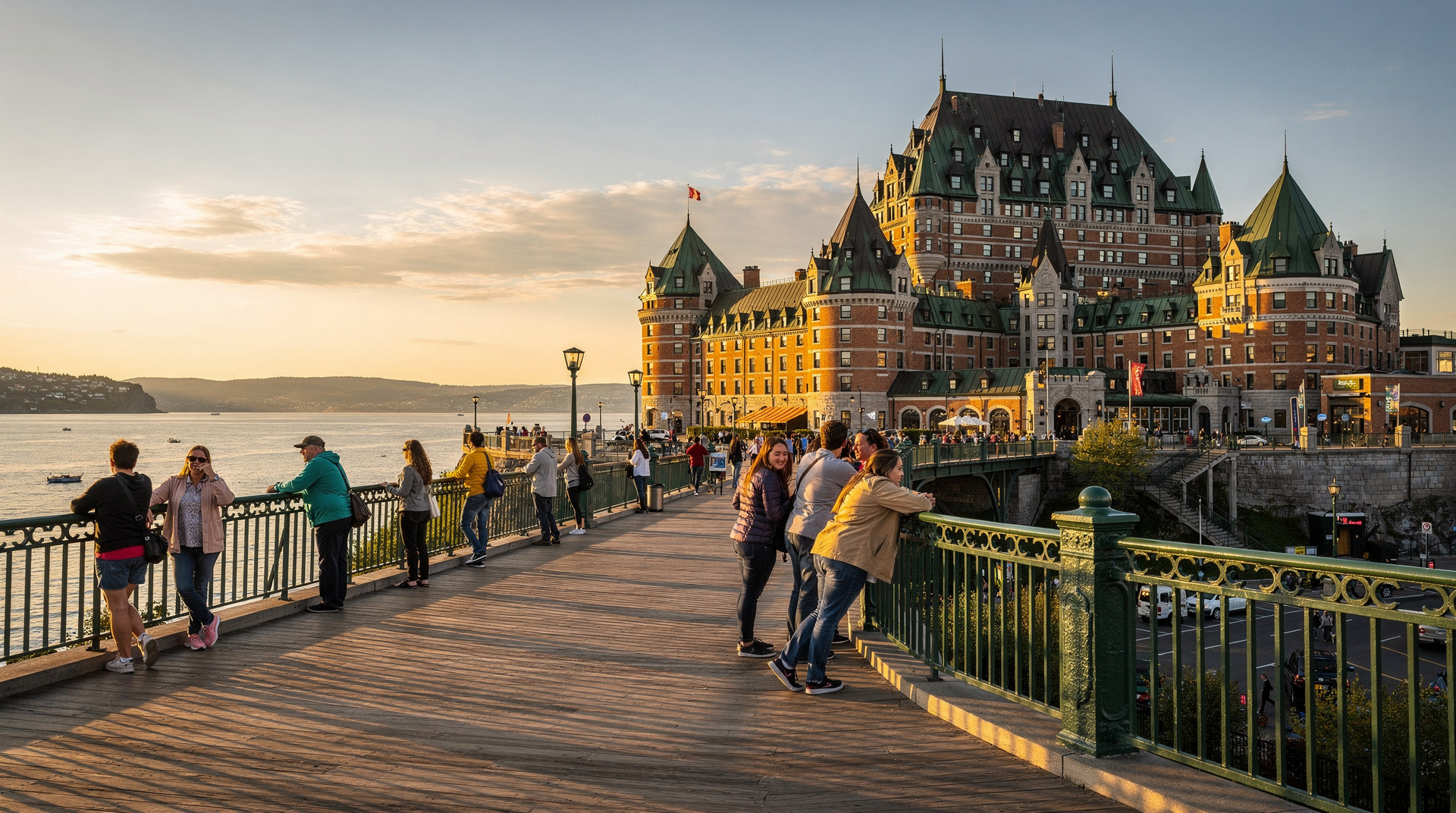
Morning — Québec City food tour. The Old Québec City food tour with 10+ local tastings covers the best of the city’s food scene in 3 hours: poutine at a heritage spot, local charcuterie, fresh boulangerie pastries, Charlevoix cheese, maple taffy, and craft microbrewery beer. The guide takes you through the food history of New France alongside the tastings.
Midday — Saint-Roch neighbourhood. Québec City’s Saint-Roch is a 10-minute walk or short taxi ride from the old city. This neighbourhood is where the city’s most innovative restaurant cooking happens — Chez Boulay (Boreal cuisine: foraged ingredients, preserved northern fish, local berries), Le Clan (open kitchen, Charlevoix terroir), and Tanière³ (one of the most acclaimed tasting menus in Canada — reserve months in advance, 250-300 CAD per person without wine pairing).
Afternoon — departure. Drive to YQB airport (20 minutes) or take Via Rail back to Montréal.
A First Nations food detour worth an hour
If Day 5 leaves an hour spare before your food tour, Wendake — about 15 minutes from Old Québec — has its own distinct culinary tradition worth tasting alongside the New France-derived cuisine covered elsewhere in this itinerary. Sagamité, the well-known restaurant inside the Huron-Wendat community, serves game meats, wild rice, corn soup and bannock bread in a longhouse-style dining room — a genuinely different register from the maple-and-charcuterie theme of the rest of the trip.
The Wendake e-bike tour pairs a light activity with the meal if you want to make it more than a quick stop. See the Wendake and Huron-Wendat guide for background on the community and its food traditions.
Frequently asked questions about Québec 5 days foodie
How much should I budget per day for food alone on this itinerary?
Expect 100-180 CAD per person per day at the luxury end once fine-dining dinners are included, or 60-100 CAD per day if you stick to market lunches, bistros and one splurge dinner rather than several. The Québec budget guide breaks this down by city.
Do I need to book restaurants months in advance?
For the very top tier — Toqué!, Joe Beef, Tanière³ — yes, especially for weekend dinners; these genuinely sell out months ahead. Neighbourhood restaurants and the Saint-Roch and Mile End scenes are far more forgiving, often bookable the same week.
Budget estimate (luxury)
| Category | Luxury (CAD) per person |
|---|---|
| Accommodation (5 nights, per room) | 1 000-1 750 |
| Meals and tastings | 800-1 200 |
| Rental car (5 days, split) | 200-280 |
| Tours | 350-500 |
| Wine and food purchases | 150-300 |
| Total | 2 500-4 030 |
For mid-range spending, the same itinerary is achievable at 1 500-2 200 CAD per person by staying at B&Bs instead of boutique hotels and choosing neighbourhood restaurants over fine dining.
When to do this foodie itinerary
June-July: Strawberry and early summer produce season. Jean-Talon Market is at its peak. Wine route open for the season. Île d’Orléans strawberries.
September-October: Harvest season — the optimal time. Apple orchards in full production, the last wines of the vintage, foliage backdrop to every meal. Eastern Townships cider season at its best.
March-April: Sugar shack season. Add a cabane à sucre day trip from Montréal (see the sugar shack maple day trip with lunch ) for the complete Québec culinary calendar experience.
Top experiences
Bookable activities with verified prices and instant confirmation on GetYourGuide.