
Best beaches in Québec: from Madeleine to Charlevoix
Old Quebec City: Grand Walking Tour
Duration: 2 hours
Does Québec have good beaches?
Yes, but be honest about expectations: ocean and estuary water is cold (12–18°C in summer). The Îles-de-la-Madeleine have some of the most beautiful beaches in Canada with red sandstone cliffs. Lake beaches (Plage Oka, Lac Memphrémagog, Lac Beauport) are warmer and more comfortable for swimming.
The honest case for Québec’s beaches
Let’s calibrate expectations first. Québec is not a beach holiday destination in the Mediterranean sense. The Gulf of Saint-Laurent is part of the North Atlantic; even in August the water off Gaspésie rarely exceeds 18°C at the surface, and the Îles-de-la-Madeleine — the province’s most famous coastal destination — have water that most Europeans would classify as “swimming weather on a good day in Brittany.”
| Where | Îles-de-la-Madeleine, Forillon, Charlevoix, lake beaches near both cities |
| Water temp | 8–24°C depending on beach type |
| Best time | Mid-July to late August |
| Getting there | Car (or ferry/flight for the Madeleine islands) |
| Entry cost | Free to ~10 CAD (Sépaq/Parks Canada parks) |
That said: Québec has some extraordinary coastal and lake beaches. The key is knowing what type of beach you are looking for.
- For warm swimming: go to the lake beaches (Oka, Memphrémagog, Beauport)
- For dramatic coastal scenery: go to the Îles-de-la-Madeleine or Forillon National Park
- For the combination of beauty and reasonable swimming: Îles-de-la-Madeleine in late July-August, when water reaches 18–20°C
The Îles-de-la-Madeleine: Québec’s best coastal beaches
The Magdalen Islands are a 12-island archipelago in the middle of the Gulf of Saint-Laurent, 900 km northeast of Québec City and accessible only by ferry from Cap-aux-Meules-Souris (from Prince Edward Island, 5 hours) or by plane (seasonal from Montréal and Québec City).
The beaches here are among the most beautiful in Canada:
La Grande-Échouerie (Dune du Nord): a 5-km stretch of white sand connecting two islands, backed by marram grass dunes and sheltered lagoons. The most photographed beach in the archipelago. Calm water in the lagoon makes this the most swimmer-friendly spot in the islands.
Dune du Sud: at the southern tip of Havre-Aubert island, red sandstone cliffs descend to a beach with a lighthouse. The sandstone erodes into the sand, giving the beach a warm pink tinge. The lighthouse (Phare de l’Anse à la Cabane) adds historical character.
La Martinique beach: the largest open-beach in the archipelago, facing the Gulf winds directly. Popular with kite surfers and windsurfers. Less suitable for family swimming (waves and wind) but extraordinary for watching kitesurfers and for long walks.
Plage de Cap-aux-Meules: the most accessible beach from the main ferry port, good for those arriving on the Magdalen Islands and wanting an immediate orientation.
Water temperature: 16–20°C in late July to August. The southern and eastern-facing beaches warm faster; the Gulf-facing beaches are colder. See our full Îles-de-la-Madeleine beaches guide for complete detail.
There are no GetYourGuide activities specific to the Îles-de-la-Madeleine — this is one of those regions with no GYG coverage. Planning is done independently through island accommodation and activity operators. See our honest note on Magdalen Islands coverage.
Forillon National Park: best beach in Gaspésie
Forillon National Park, at the eastern tip of the Gaspé Peninsula, has the best beach infrastructure in Gaspésie. The Plage de Petit-Gaspé and Plage Penouille are the main access points.
Penouille Beach is the most interesting: a sand spit extending into a protected lagoon, with dunes and a forest backdrop. The lagoon-side water is calmer and slightly warmer than the Gulf side. Parks Canada manages the beach area with lifeguard service in July-August. Park entry: ~10 CAD/adult.
The setting — mountains of the Chic-Chocs visible in the background, seabirds overhead, cold clear water — is dramatic. Don’t come here expecting warm Côte d’Azur swimming. Do come here expecting one of the most atmospherically compelling beach landscapes in Eastern Canada.
Gaspésie: other coastal spots
Plage de Pointe-Saint-Pierre (south coast, between Chandler and Gaspé): a quiet, local-favourite beach with basic facilities. The Gulf here is more protected than the north coast. In mid-August this can be the warmest swimming on the Gaspé.
Plage de Grande-Rivière: small, uncrowded, with views of the Gulf and the Rocher Percé in the far distance on clear days.
Beaches near Percé: the area around Percé itself has rock platforms and small beaches at low tide, but the main attraction is the Rocher Percé and Île Bonaventure, not swimming. See Percé guide.
Charlevoix: limited but scenic
Charlevoix’s north shore of the Saint-Laurent is dramatic but not traditionally beach country — the estuary here is tidal and the water very cold. The most accessible beach-like experience in Charlevoix is:
Pointe-au-Pic / La Malbaie: a sandy shore along the estuary at low tide. The water is cold year-round (8–14°C), but the setting — rocky beach, village architecture, mountains behind — is worth a walk even without swimming. See La Malbaie guide.
Baie-Saint-Paul beaches: the mouth of the Gouffre River at Baie-Saint-Paul has a small pebble beach at low tide; pleasant for sitting but not swimming.
Lake beaches near Montréal
For travellers based in Montréal who want a proper swimming beach without a multi-day road trip:
Plage Oka (Parc national d’Oka, 60 km northwest of Montréal): The best freshwater beach within easy reach of Montréal. Sandy beach on Lac des Deux-Montagnes, lifeguard service in July-August, picnic areas, camping. Water reaches 22–24°C in July. Park entry approximately 10.30 CAD/adult. Very crowded on summer weekends — arrive before 10h00.
Plage Pointe-Calumet (Lac des Deux-Montagnes, 50 km northwest): a small lake beach, less well-known than Oka and therefore less crowded. Free access. Basic facilities.
Île-Perrot beaches (30 km west of Montréal): Several local parks on the Île-Perrot have lake access. Less curated than Oka but convenient for day trips.
Lake beaches near Québec City
Lac Beauport: 15 minutes north of the city, with a public beach area, paddle equipment rental, and lifeguards in season. The lake warms quickly in summer. See paddleboarding guide for details.
Lac-Saint-Joseph: 30 minutes west of Québec City, larger lake, protected bay for swimming. Calmer in wind than Beauport. Combines well with Parc national de la Jacques-Cartier.
Eastern Townships: the third lake-beach option
Beyond the two lakes closest to the cities, the Cantons-de-l’Est region has its own beach culture built around Lac Memphrémagog, a 44-km glacial lake straddling the Québec-Vermont border. Plage des Cantons and several municipal beaches in Magog offer warm, calm swimming from late June through August, with the added bonus of the region’s vineyards and cideries within a short drive for an afternoon that isn’t purely about the water. See the full Lac Memphrémagog summer guide for beach-by-beach detail and the Eastern Townships wine route for pairing a beach day with tastings.
Pairing a beach day with Québec City
Many travellers reading this guide are based in the capital and wonder how to fit a swim into a city-focused trip. The practical answer is to treat the lake beaches as a half-day break rather than a destination in themselves. Spend the morning on foot in Old Québec, when the streets are quieter and the light is good, then head to the lake in the afternoon once the heat has built up. If you would rather have someone explain the walls, the stairways and the lower town while you save your energy for the water, a guided outing such as a two-hour walking tour of the old city keeps the morning organised and leaves the rest of the day free.
The same logic works on rainy or cool days, which are not rare near the Gulf. A beach plan that falls through is easily swapped for things to do in Québec City, the Québec City three-day itinerary or a visit to one of the museums of Québec City. Build that flexibility in from the start and a grey afternoon stops feeling like a lost day.
For travellers who like to understand the places they walk through, a guided walk through the history of the old city pairs naturally with the more laid-back lake days: one day is about stories and stone, the next is about water and shade. Our UNESCO Old Québec walking guide covers the same ground if you prefer to explore by yourself.
Choosing the right beach for your trip
The best beach depends less on the beach than on the trip around it. A few questions help narrow the choice quickly.
How much time do you have? With a single free afternoon, a lake beach within reach of your base is the only realistic option. With a week or more and a car, the Gaspésie loop brings Forillon and the south-coast beaches into play, and the seven-day Gaspésie loop shows how the stops fit together. The Magdalen Islands are a trip in their own right and deserve several days rather than a rushed visit.
Who is travelling? Families with young children tend to be happiest at supervised lake beaches with shallow water, picnic areas and nearby facilities. Our Québec with kids guide and the seven-day family summer itinerary give more context on balancing beach time with other activities. Couples and photographers often prefer the Gulf coast for the scenery and are willing to trade warm water for atmosphere.
What else do you want from the day? Beaches pair well with other activities. A swim can be combined with a paddle on the same lake, a hike in a nearby park or an afternoon of tasting in wine and cider country. The kayaking guide and the hiking guide are good places to look for ideas that share a region with a beach.
What to expect on the sand
Québec beaches have their own rhythm, and a few habits make the day smoother.
Services vary a great deal. Park-managed beaches generally offer washrooms, changing areas and picnic spots, while smaller local beaches may have very little beyond the sand. Bring water, food and sun protection rather than counting on a nearby shop, especially on the Gulf coast where villages can be far apart. Many park beaches also have rules about glass, alcohol and pets, so check the park’s own information before you pack the cooler.
Weather changes fast near the water. A hot morning can turn windy and cool by mid-afternoon on Gulf-facing beaches, so a light layer is useful even in midsummer. Lake beaches are more forgiving, but afternoon storms are possible, and lifeguards will clear the water when they approach. Our month-by-month weather guide and July and August planning pages help set realistic expectations for the season.
Bugs are part of the experience near forested lakes. Insect repellent is a sensible addition to the beach bag, particularly in the evening, and long sleeves help if you stay until sunset.
Finally, respect the landscape. Dunes and marram grass hold the sand in place and are easily damaged by foot traffic, so stay on marked paths where they exist. Take your rubbish with you, and keep a respectful distance from nesting birds and seals if you see them along the shore.
A beach day with a view of the whales
Travellers who come for the coast often discover that the best water experience is not swimming at all. Along the Saint-Laurent, the same cold, nutrient-rich water that makes for bracing swimming also draws whales, and spending a day near Tadoussac can be a better use of time than another cold dip. Our Tadoussac whale-watching guide explains the options, and the Québec City to Tadoussac day trip shows how to reach it. If you are thinking about the best time of year for wildlife rather than for swimming, the whale-watching timing guide is the place to start.
Water safety: currents, tides and lifeguards
Not all Québec beaches are supervised, and the safety profile varies enormously by type. Sépaq-managed lake beaches (Oka, Beauport) post lifeguards in July-August and are the safest default for families or weak swimmers. Coastal and estuary beaches are a different matter: the Saint-Laurent estuary has real tidal currents near Charlevoix and the Côte-de-Beaupré, and the open Gulf coast at Forillon and the Îles-de-la-Madeleine can have rip currents and cold-water shock risk even on calm-looking days.
Penouille Beach in Forillon is the one Gulf-facing beach with consistent lifeguard coverage in peak season; most others are unsupervised. If you are not a strong swimmer, stick to lake beaches or the supervised lagoon sections, and never swim alone in cold coastal water.
Honest summary by beach type
| Type | Best options | Water temp (July) | Crowd level |
|---|---|---|---|
| Coastal (salt water, dramatic) | Îles-de-la-Madeleine, Forillon | 16–18°C | Low (remote) |
| Coastal (Gaspésie local) | Pointe-Saint-Pierre | 14–17°C | Low |
| Lake (near Montréal) | Plage Oka | 22–24°C | High (weekends) |
| Lake (near Québec City) | Lac Beauport | 21–23°C | Moderate |
| Estuary (scenic, cold) | Charlevoix, Côte-de-Beaupré | 8–14°C | Low |
Related guides
- Îles-de-la-Madeleine beaches: complete guide
- Lac Memphrémagog summer guide
- Paddleboarding on Québec lakes
- Forillon National Park guide
- Gaspé Peninsula guide
- Day trips from Montréal
- Eastern Townships wine route
- Best time to visit Québec
- Québec safety and travel tips
Frequently asked questions about Best beaches in Québec: from Madeleine to Charlevoix
Are beaches in Québec warm enough to swim?
It depends on the beach. Lake beaches (Oka, Memphrémagog, Beauport) reach 20–24°C in July-August — genuinely comfortable for swimming. Coastal beaches on the Gulf of Saint-Laurent (Gaspésie, Forillon) are cold even in August: 14–18°C at the surface, sometimes colder. The Îles-de-la-Madeleine have water around 16–20°C in peak summer — swimmable but bracing. This is not the Caribbean.What are the best beaches near Montréal?
Plage Oka (Parc national d'Oka, about 1 hour north of Montréal) is the best within easy reach: freshwater lake, sandy beach, facilities, park infrastructure. Lac des Deux-Montagnes is the lake — warm enough to swim in July-August. Parc national d'Oka charges park entry (~10.30 CAD/person). Other options near Montréal: Plage Pointe-Calumet (Lac des Deux-Montagnes), Parc de la Rivière-des-Mille-Îles.What are the best beaches in Gaspésie?
Plage Penouille in Forillon National Park (Petit-Gaspé, near Gaspé town) is the most complete beach in Gaspésie: sand dunes, calm lagoon, supervised swimming, and park facilities. Plage de Pointe-Saint-Pierre (south coast, near Gaspé) is a quiet local beach. The north coast of the peninsula has dramatic scenery but rougher conditions.Do the Îles-de-la-Madeleine really have good beaches?
They are among the most beautiful beaches in Canada by any objective measure — see our dedicated Magdalen Islands guide. 300 km of coastline, red sandstone cliffs dropping to white sand lagoons, pink-sand dunes. Water is cold (16–20°C in peak summer). The experience is more visual and atmospheric than warm-water beach holiday. Worth the trip for the right kind of traveller.Is there a beach near Québec City?
Not on the Saint-Laurent itself — the river near Québec City is the estuary and tidal, not suitable for casual beach use. The closest options are Lac Beauport (15 min north, freshwater, warm, facilities) and Lac-Saint-Joseph (30 min west, similar). For a proper coastal beach experience from Québec City, the Côte-de-Beaupré has a few spots but the water is cold. Most Québec City locals head to the lake beaches in summer.What should I pack for a Québec beach day?
A wetsuit or rash guard if you plan to swim in coastal or estuary water below 18°C — most locals wear one at Forillon or the Îles-de-la-Madeleine. For lake beaches (Oka, Beauport, Memphrémagog), a normal swimsuit is fine in July-August. Always bring a windbreaker regardless of destination: Gulf-facing beaches are exposed and can turn breezy fast even on a sunny day, and insect repellent matters near forested lake beaches at dusk.
Top experiences
Bookable activities with verified prices and instant confirmation on GetYourGuide.
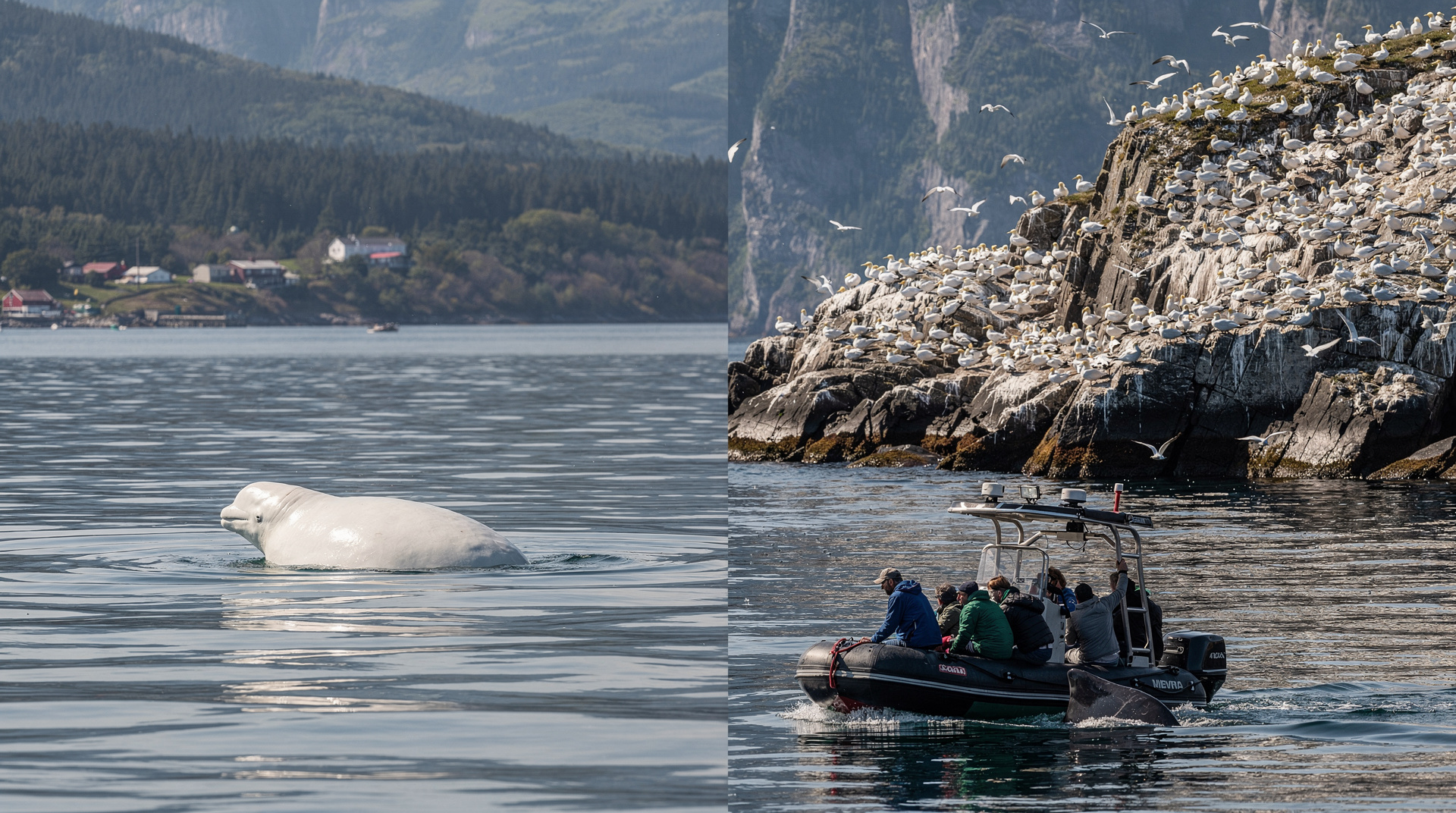
3-Hour Whale Watching Boat Tour
- GetYourGuide
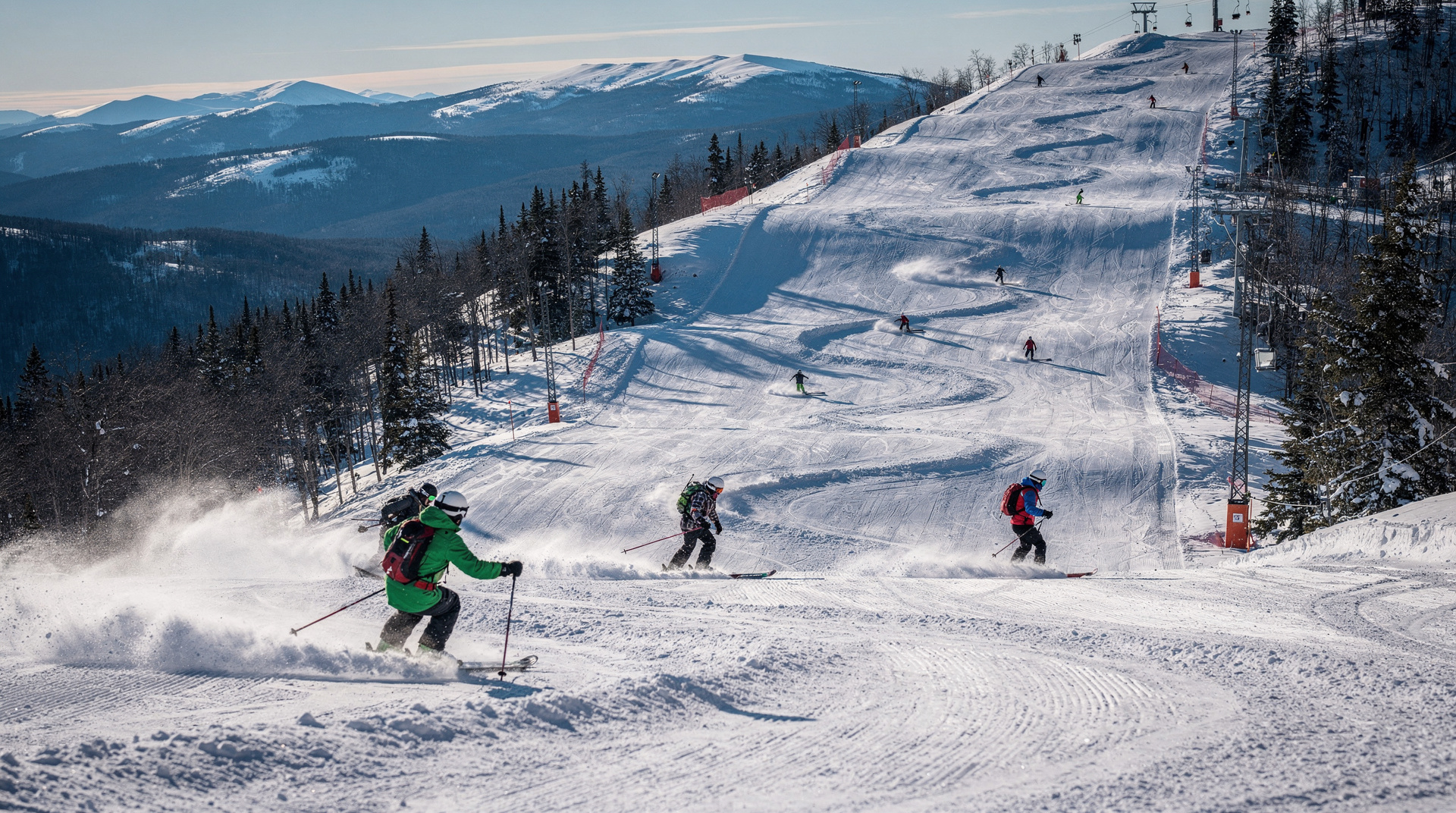
Old Quebec City: Grand Walking Tour
- GetYourGuide
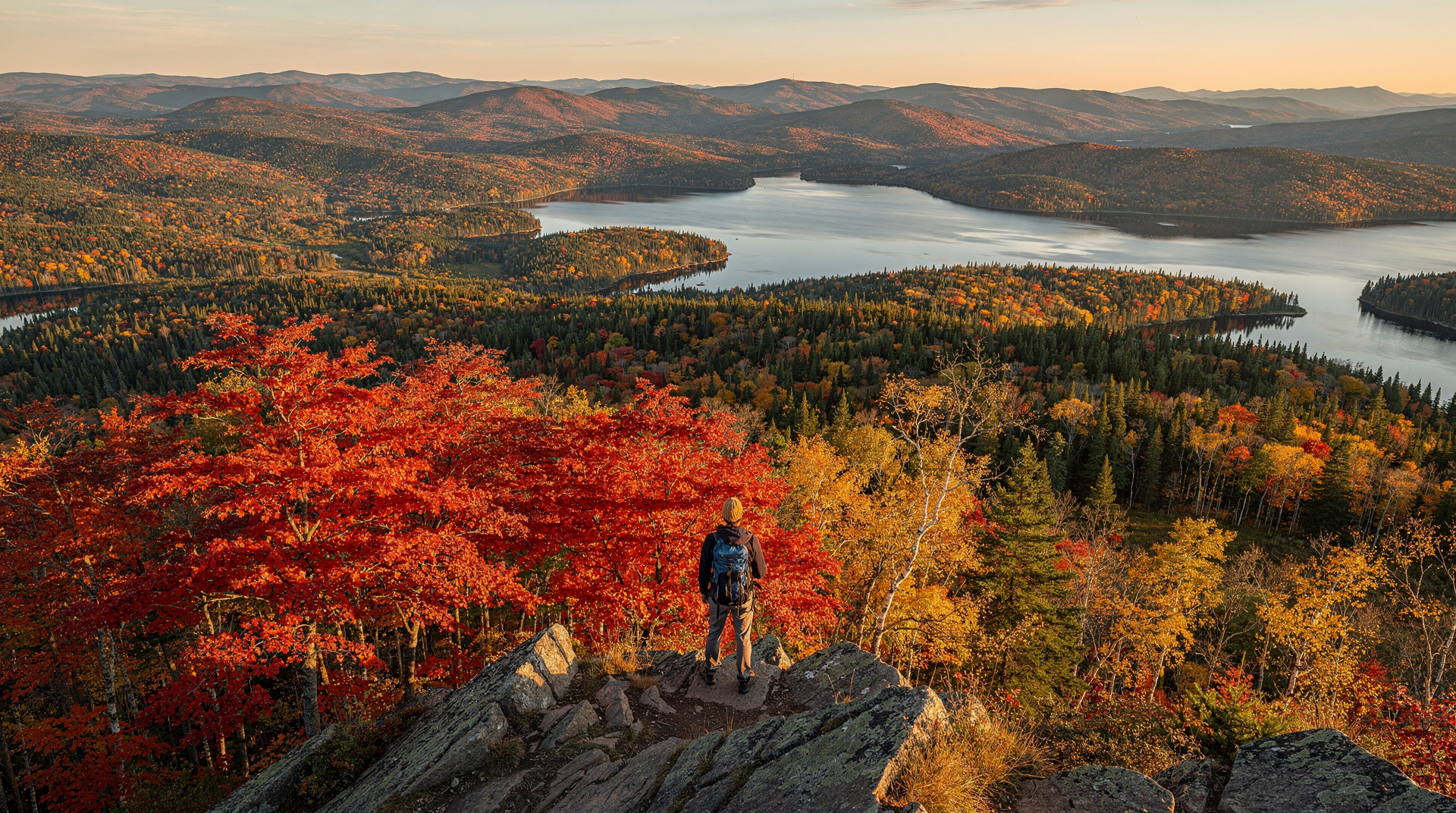
Mont-Tremblant: Private Day Trip with Treetop Walk & Gondola
- GetYourGuide
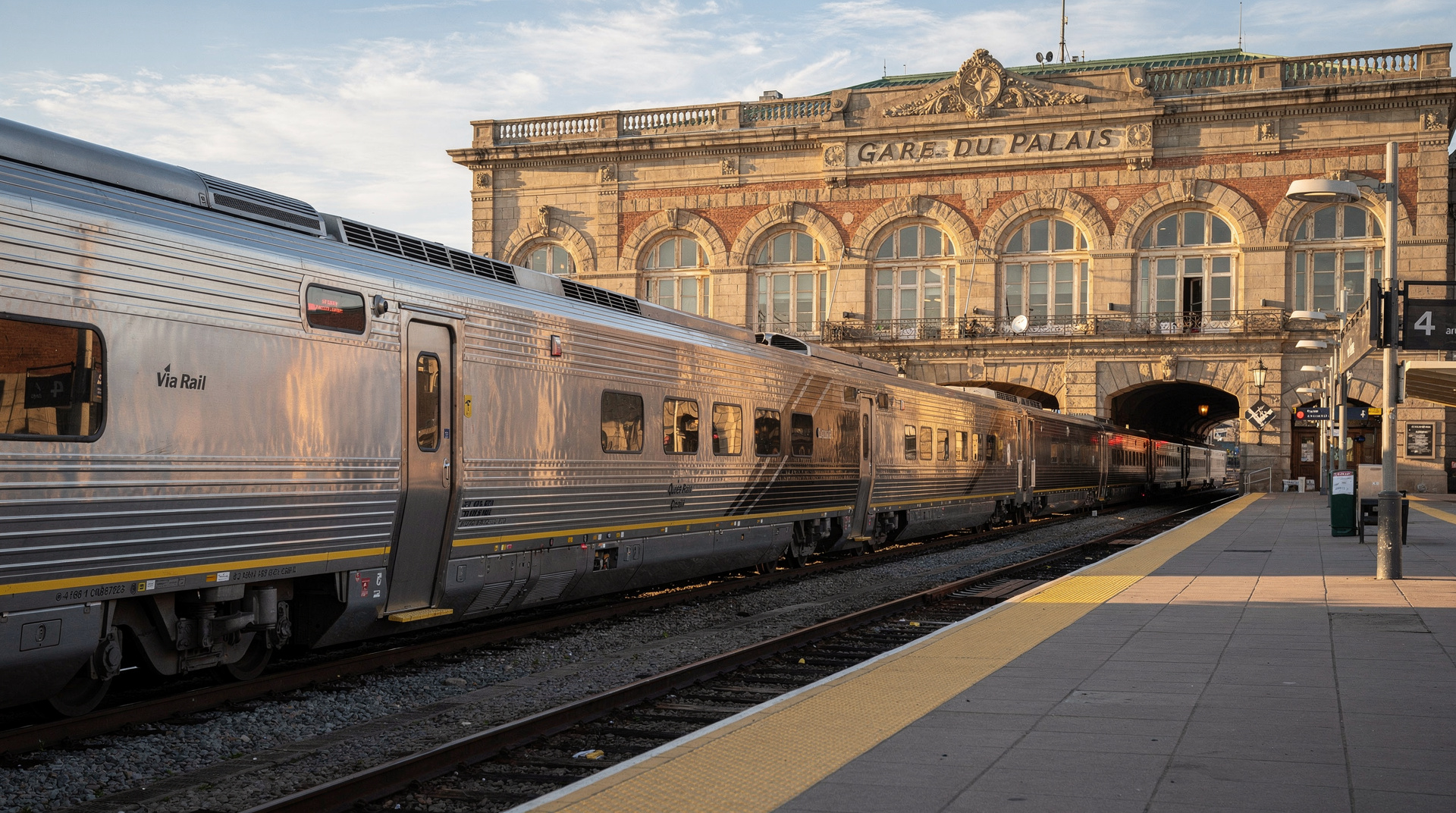
Scenic Helicopter Tour 15/30/45-Minute
- GetYourGuide
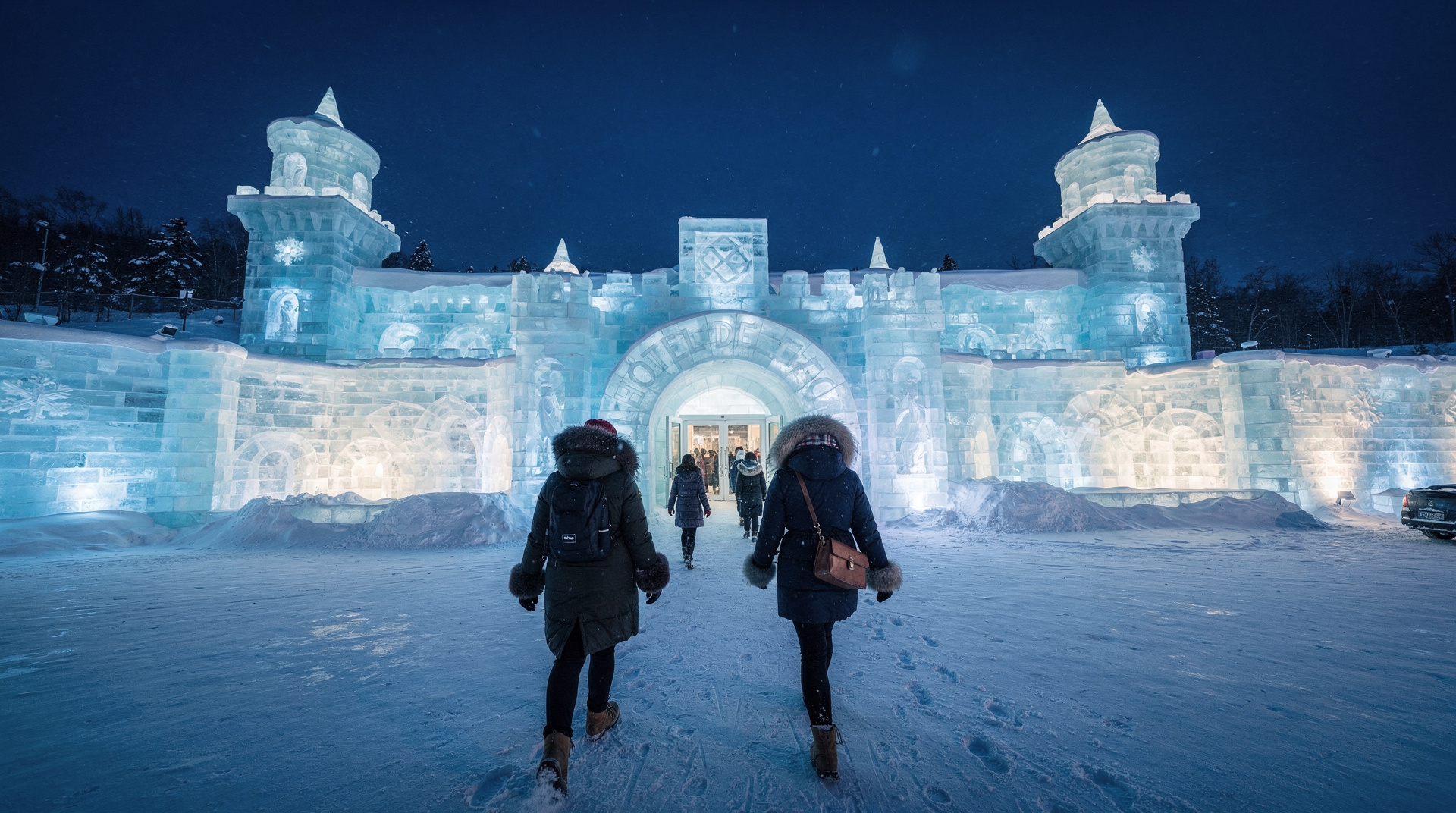
Hôtel de Glace Overnight Experience
- GetYourGuide
The Original Old Montréal Walking Tour
- GetYourGuide